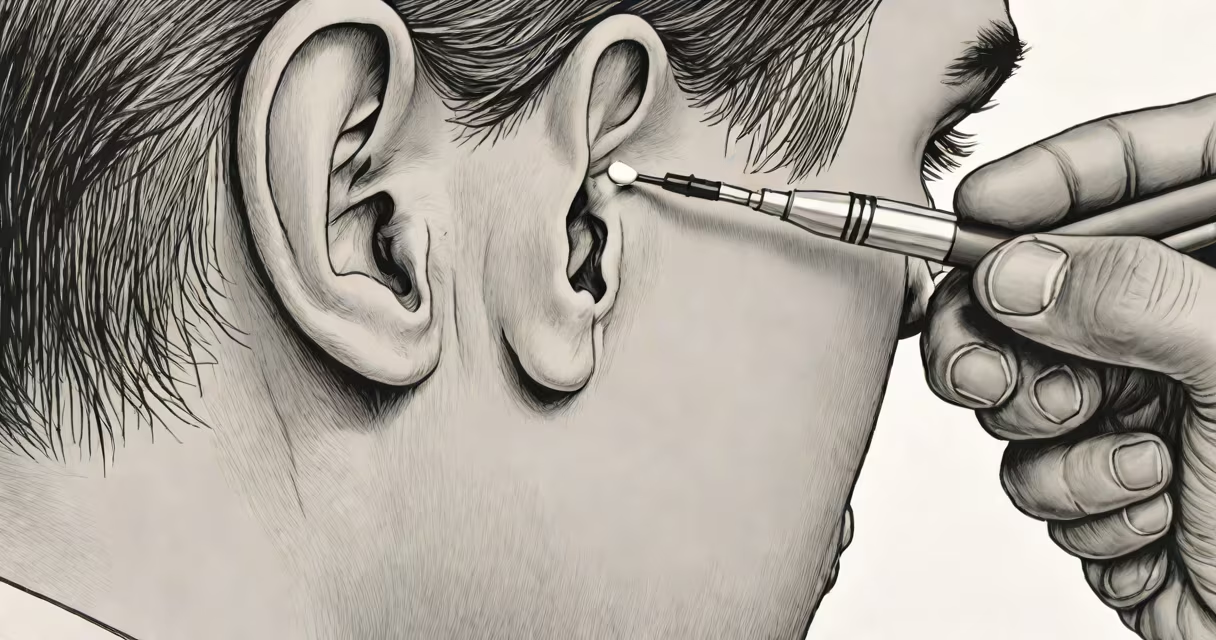
Ear drops treat ear infections by delivering antibiotics, steroids, or antifungals directly to the ear canal, reducing swelling, killing bacteria or fungi, and relieving pain. They are most effective for outer ear infections (otitis externa), especially when caused by water exposure or bacterial growth.
Ear drops bypass systemic absorption. Instead of traveling through the bloodstream, they act locally in the ear canal. This allows higher drug concentrations at the site of infection with fewer side effects than oral medications. The solution enters the ear canal and coats the skin and eardrum, where it begins working within minutes.
For example, Ciloxan ear drops contain ciprofloxacin, a fluoroquinolone antibiotic effective against common pathogens like Pseudomonas aeruginosa and Staphylococcus aureus. A 2021 study published in The Journal of Antimicrobial Chemotherapy showed ciprofloxacin-based ear drops achieved clinical cure rates of 87% in patients with acute otitis externa after seven days of use.
When applied correctly, ear drops penetrate the outer layer of the ear canal's skin and reach infected tissue. Antibiotics stop bacterial reproduction. Steroids reduce inflammation and swelling. Antifungals disrupt fungal cell walls. Some formulations combine both antibiotics and steroids for dual action.
Proper administration matters. Lying on your side with the infected ear upward helps the drop flow into the canal. Holding the position for 3-5 minutes ensures full contact. Dropping too quickly can cause dizziness or spillage. Using a dropper or applicator prevents contamination and ensures accurate dosing.
A 2020 review in BMJ Open found that patients who received ear drops with proper instructions had a 30% faster recovery rate compared to those using incorrect techniques. Misuse leads to incomplete treatment and increased risk of chronic infection.
Ear drops fall into three main categories based on their active ingredients:
Some drops are combination formulas. For instance, Ciprodex contains ciprofloxacin and dexamethasone. The antibiotic fights infection while the steroid reduces swelling and pain. These are typically prescribed for moderate to severe cases.
Over-the-counter drops like Swim Ear or Auro-Dri are designed for prevention, not treatment. They dry out excess moisture and lower pH to discourage microbial growth. They're not effective for existing infections and should not replace prescription drops.
Many people assume ear drops work the same way as oral antibiotics. They don't. Oral antibiotics circulate throughout the body. Ear drops act locally. This means they won't treat middle ear infections (otitis media), which affect the space behind the eardrum. Using ear drops for middle ear infections can worsen symptoms or delay proper care.
Another mistake is stopping treatment early. Even if pain subsides in 2-3 days, completing the full course is essential. Premature discontinuation increases the risk of resistant strains developing. A 2019 CDC report noted that 15% of recurrent otitis externa cases were linked to incomplete antibiotic courses.
I once treated a patient who used leftover antibiotic drops for a new earache. The infection returned worse. Testing revealed a resistant strain of Pseudomonas. The original infection had been misdiagnosed as viral. Ear drops aren't a universal fix-they require correct diagnosis.
Not all earaches are infections. Pain behind the ear, fever, or discharge with blood or pus indicates a serious condition. These signs suggest spread beyond the ear canal and may require imaging or referral to an ENT specialist.
Untreated ear infections can lead to complications. Chronic otitis externa may result in permanent narrowing of the ear canal (stenosis). In rare cases, infection spreads to bone (malignant otitis externa), particularly in diabetics or immunocompromised individuals. This condition has a mortality rate of up to 10% if untreated.
Ear drops treat ear infections by targeting the root cause-bacteria, fungi, or inflammation-directly in the ear canal. They are not a substitute for medical evaluation. What do ear drops do for ear infection? They deliver targeted therapy, reduce discomfort, and promote healing when used correctly. Always follow prescription instructions and seek professional care if symptoms don't improve.