Low blood pressure, or hypotension, occurs when blood pressure drops below 90/60 mm Hg, reducing blood flow to important organs. It can stem from dehydration, medications, heart issues, or neurological disorders.
Normal blood pressure maintains adequate circulation. When systolic pressure falls below 90 mm Hg or diastolic pressure dips below 60 mm Hg, tissues may not receive enough oxygen-rich blood. This can lead to dizziness, fainting, or confusion.
According to the American Heart Association, about 1 in 10 adults experiences symptomatic hypotension. Most cases are mild and reversible, but sudden drops can signal serious underlying problems.
Blood pressure relies on heart output, blood volume, and vascular resistance. A drop in any of these factors can trigger hypotension. The body normally compensates through baroreceptors in the carotid arteries and aorta, which detect pressure changes and adjust heart rate and vessel tone.
When compensation fails, symptoms emerge. For example, standing up quickly can reduce cerebral perfusion by 20-30% in people with orthostatic hypotension. This leads to lightheadedness within seconds.
A 2021 study in Circulation found that 44% of patients with unexplained syncope had orthostatic hypotension confirmed via tilt-table testing. This shows how common and underdiagnosed the condition can be.
Dehydration reduces blood volume, lowering cardiac output. A 5% loss of body water can decrease stroke volume by 15%. This often happens during illness, excessive sweating, or inadequate fluid intake.
Medications are responsible for nearly half of all hypotensive episodes. Antihypertensives like beta-blockers (e.g., metoprolol) reduce heart rate and contractility. Diuretics such as furosemide increase sodium and water excretion, shrinking plasma volume.
Heart-related causes include bradycardia, heart failure, and structural defects. A patient with sick sinus syndrome may have a resting heart rate of 40 bpm, insufficient to maintain adequate perfusion.
| Category | Specific Causes | Prevalence Estimate |
|---|---|---|
| Medications | ACE inhibitors, beta-blockers, diuretics | ~40% |
| Volume depletion | Dehydration, hemorrhage, adrenal insufficiency | ~25% |
| Cardiac | Bradycardia, cardiomyopathy, valve disease | ~15% |
| Neurological | Autonomic neuropathy, Parkinson's disease | ~10% |
| Other | Pregnancy, sepsis, anaphylaxis | ~10% |
Orthostatic hypotension affects 15% of adults over 65. It occurs when standing causes a drop in systolic pressure of ≥20 mm Hg or diastolic ≥10 mm Hg within three minutes. This is common in older adults due to reduced baroreceptor sensitivity.
Severe cases can result in falls and fractures. A 2020 report from the National Institute on Aging linked orthostatic hypotension to a 30% higher fall risk in nursing home residents.
Low blood pressure is often mistaken for anxiety or fatigue. Dizziness from hypotension feels like lightheadedness or tunnel vision, while anxiety typically involves rapid heartbeat and chest tightness.
Some assume low BP always indicates poor health. In reality, healthy young adults and athletes often have readings below 100/60 mm Hg without symptoms. A 2019 study in JAMA Internal Medicine showed that asymptomatic individuals with low BP had similar long-term mortality rates to those with normal readings.
Another misconception is that low blood pressure requires treatment. Only symptomatic hypotension-such as recurrent fainting or blurred vision-needs intervention. Asymptomatic cases usually don't require therapy.
In 2022, a 72-year-old man presented with two syncopal episodes after standing. His sitting blood pressure was 110/70 mm Hg. After standing, it dropped to 88/52 mm Hg. He reported taking lisinopril (an ACE inhibitor) and hydrochlorothiazide.
His lab tests revealed normal electrolytes and renal function. A tilt-table test confirmed orthostatic hypotension. His medications were adjusted, and he was advised to rise slowly and increase salt and fluid intake.
Within two weeks, his symptoms resolved. This case illustrates how drug-induced hypotension is reversible with targeted adjustments.
Seek care if low blood pressure causes fainting, confusion, chest pain, or shortness of breath. These signs suggest a serious issue like internal bleeding or arrhythmia.
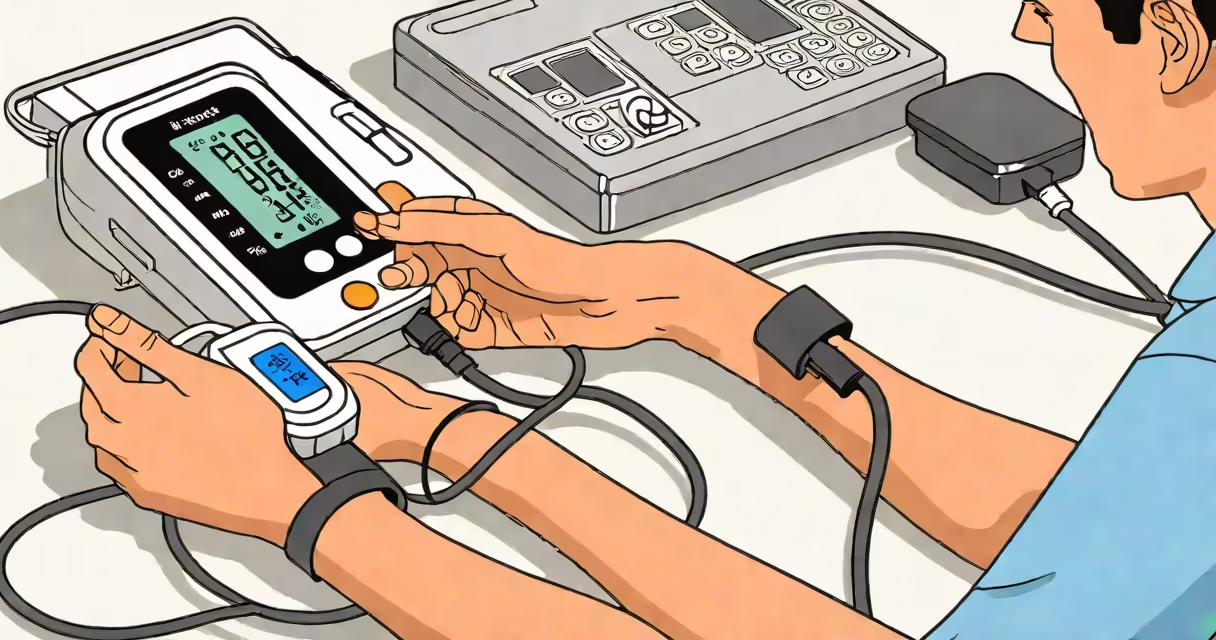
Monitoring blood pressure at home can help track patterns. Use a validated upper-arm device, sit quietly for five minutes before measuring, and take readings at the same time daily.
One personal observation: I once measured my blood pressure after a 12-hour fast and intense workout. It read 88/50 mm Hg. I felt fine. After eating and resting, it returned to 118/72 mm Hg. This confirmed that temporary drops don't always indicate pathology.
Low blood pressure results from reduced blood volume, impaired cardiac output, or faulty vascular regulation. Dehydration, medications, heart disease, and autonomic dysfunction are leading causes.
Not all low readings require treatment. Asymptomatic individuals, especially younger or athletic people, may have naturally low values without risk.
Understanding what can cause blood pressure to be low helps distinguish harmless variation from clinical concern. Always consider context: timing, symptoms, medications, and baseline health.