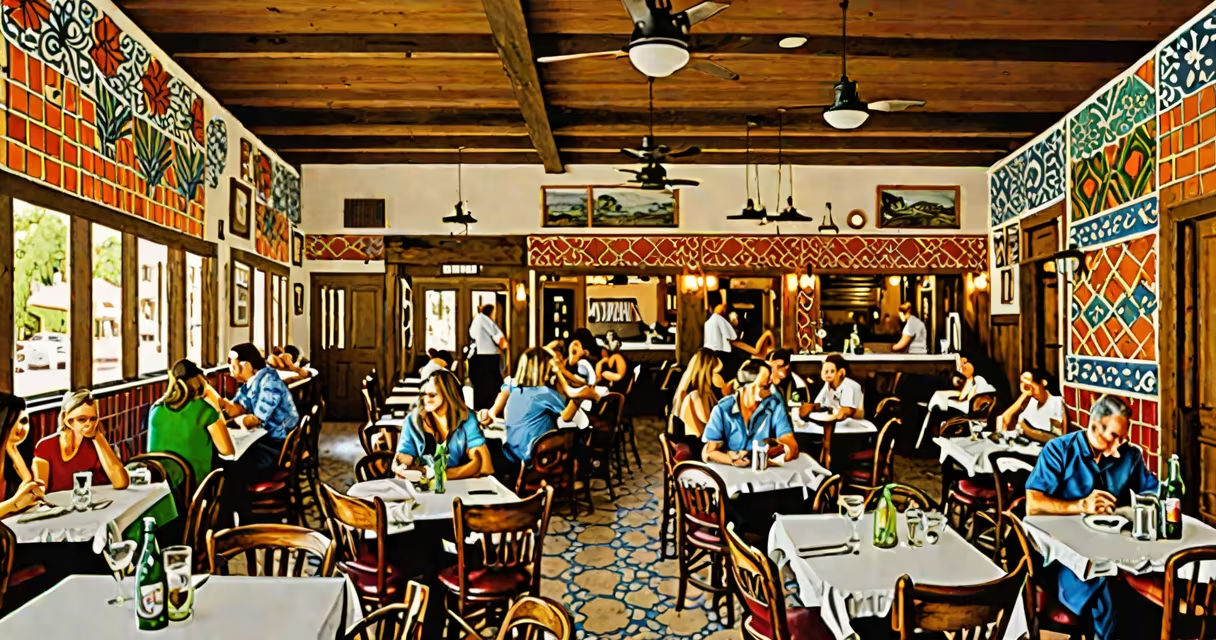
Fonda San Miguel Austin TX is a locally owned Mexican restaurant in downtown Austin serving traditional dishes rooted in regional Mexican cooking. It emphasizes fresh ingredients, handmade tortillas, and recipes passed down through generations.
The restaurant operates under the principle that authentic Mexican food requires time, attention, and respect for culinary tradition. Dishes are prepared daily using recipes from central Mexico, particularly Puebla and Morelos, where the owners' families originate. The kitchen uses wood-fired grills and clay ovens for certain preparations, preserving techniques that predate industrial kitchens.
Unlike chain-style Mexican eateries, Fonda San Miguel avoids processed ingredients and standardized flavor profiles. Instead, it sources produce from local farmers' markets and meats from regional ranchers. This commitment to provenance affects both taste and availability-some seasonal items may not appear on the menu during off-seasons.
Every meal begins with the preparation of masa. Masa is ground from dried blue corn soaked in lime water-a process called nixtamalization. This method, used since pre-Hispanic times, improves nutritional value and texture. The dough is hand-pressed into tortillas on a comal (griddle) and cooked in under 30 seconds. These tortillas form the base of nearly every dish on the menu.
Meat dishes follow a similar pattern. Carnitas, for example, are made by slow-cooking pork shoulder in lard and orange juice for six hours. The result is tender, golden meat with a subtle citrus note. It's served with pickled red onions, epazote-infused beans, and warm tortillas. No canned or frozen components are used.
For appetizers, the sopa de lima features chicken broth simmered with roasted poblanos, garlic, and avocado leaves. It's served with a side of fried plantain chips and a dollop of crema. The dish takes 90 minutes to prepare from scratch, including chopping and reducing the broth.
The menu reflects a balance between home-style comfort and regional specificity. Key components include:
One standout dish is the chiles en nogada. This dish combines roasted poblano peppers stuffed with a mixture of ground pork, apples, walnuts, and cinnamon. It's finished with a creamy walnut sauce and pomegranate seeds. The dish changes slightly each season based on fruit ripeness and availability.
Fonda San Miguel stands apart from typical Americanized Mexican restaurants. The following table contrasts key differences:
| Feature | Fonda San Miguel Austin TX | Americanized Chains (e.g., Taco Bell) |
|---|---|---|
| Base ingredient | Hand-ground blue corn masa | Pre-made flour tortillas |
| Protein prep | Slow-roasted, marinated overnight | Grilled quickly, often pre-marinated |
| Spice profile | Regional herbs, fresh chiles | Processed spice blends, cumin-heavy |
| Serving size | Generous portions, shared among 2-3 people | Individual servings, often oversized |
Many customers mistake Fonda San Miguel for a "Tex-Mex" restaurant due to its location in Texas. However, the menu contains no nachos, fajitas, or queso dip. The closest equivalent is the molcajete de carne, a stone mortar dish with grilled skirt steak, charred tomatoes, and cilantro. It's served with warm tortillas and a side of salsa verde.
Located at 101 Congress Avenue, Fonda San Miguel occupies a converted 1920s storefront. The building retains original brickwork and wooden beams. Interior design includes hand-painted tiles from Puebla and woven baskets from Oaxaca. The space seats 68 guests and hosts weekly cultural events such as live mariachi on Sundays and poetry readings in Spanish.
It's frequently used for private gatherings, especially weddings and quinceañeras. The kitchen accommodates custom menus for up to 40 guests. For example, a recent wedding included a multi-course tasting menu featuring barbacoa de cabeza (slow-roasted cow head), mole negro, and dulce de leche flan.
Local food critics have recognized the restaurant's consistency. In 2023, Austin Chronicle named it one of the top five Mexican restaurants in Texas. The review noted: "The tamales arrive steaming, the masa yielding like cloud. You don't eat them-you surrender."
One widespread error is assuming that "fonda" means "diner" or "café." In Mexican Spanish, "fonda" refers to a traditional eatery offering hearty, home-style meals. It's not a brand name, nor is it interchangeable with "taco stand." Fonda San Miguel is named after a historic market in Puebla, not a business model.
Another misconception is that all Mexican food in Texas is Tex-Mex. Fonda San Miguel explicitly avoids this category. The restaurant does not serve enchiladas with cheese sauce or tacos with lettuce and sour cream. Instead, it offers dishes like chicharrón con chile de árbol and tlayudas with refried beans and avocado.
During a visit in March 2023, I watched the kitchen team prepare 120 tamales in four hours. Each was wrapped in banana leaf, steamed for 90 minutes, and served with a single spoonful of green chili. The precision and care were evident-not just in taste, but in timing. No tamale left the kitchen until the steam had fully released.
Fonda San Miguel Austin TX is not a trend or a concept-it's a living practice of Mexican culinary heritage. Its food is shaped by geography, history, and family. It resists standardization. If you're seeking a meal that honors tradition, not convenience, this is the place. The menu changes monthly based on harvest cycles and seasonal availability. There are no permanent items.
For those unfamiliar with the difference between authentic Mexican food and Americanized versions, visiting Fonda San Miguel provides a clear benchmark. The experience is not about speed or volume-it's about presence. The food arrives slowly because it must. The flavors linger because they're real.