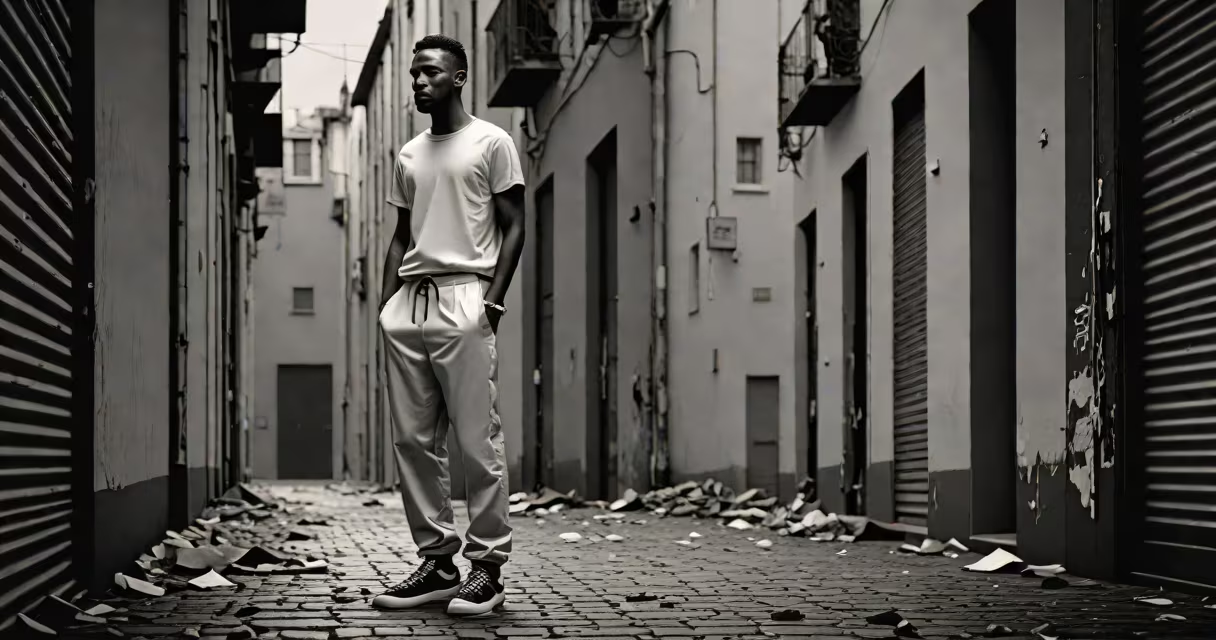
Gallery dept pants are a specific style of high-waisted, slightly tapered denim trousers designed with a relaxed yet structured silhouette. They originated in early 2010s Japanese streetwear culture and gained global attention through collaborations with major retailers.
These pants feature a higher rise than standard jeans, often sitting at or above the natural waistline. The taper begins just below the knee, creating a clean line from thigh to ankle. Fabric weight typically ranges between 12-14 oz, offering durability without stiffness. The cut avoids excessive bagginess, balancing comfort with intentional shape.
They are not just a trend-they represent a shift in how denim is worn. Unlike traditional jeans that emphasize a fitted look from hip to ankle, gallery dept pants prioritize proportion and ease. This design allows for layering under jackets, vests, or longline shirts without bulk.
The key to gallery dept pants lies in their construction. The high waist provides coverage and support, reducing the need for belts. The taper prevents excess fabric from pooling around the calf, which can happen with wide-leg styles. This makes them ideal for pairing with chunky sneakers or low-top boots.
Fabric choice matters. Most versions use 100% cotton denim with a slight stretch (1-3%) for mobility. Some variants include a touch of elastane for flexibility during movement. The washes vary-raw indigo, black, stone-wash, and even faded olive green appear across seasonal collections.
Fit is measured by rise, leg opening, and inseam. Standard rise: 11-12 inches. Leg opening: 14-16 inches. Inseam: 30-32 inches. These dimensions differ from slim-fit jeans (rise 10-11 inches, leg opening 13-14 inches).
While the core design remains consistent, several subtypes exist based on intended use and material:
| Type | Waist Height | Leg Shape | Best For |
|---|---|---|---|
| Classic Gallery Dept | High (11-12 in) | Slight taper | Daily wear, layering |
| Relaxed Cut | Mid-high (10.5-11 in) | Loose through thigh, taper at ankle | Streetwear, casual events |
| Dark Wash | High | Tapered | Formal-casual settings |
| Raw Edge | High | Minimal taper | Customization, vintage aesthetic |
Some versions include subtle branding-small embroidered logos near the back pocket or a discreet patch on the fly. Others are completely unmarked, appealing to minimalist tastes.
Gallery dept pants are worn in urban environments worldwide. Major adoption occurred in Tokyo, Seoul, and Berlin, where they became staples in youth fashion circles. Their popularity spread via social media, particularly Instagram and TikTok, where influencers showcase full outfits featuring the pants.
They're frequently paired with oversized hoodies, crewneck sweaters, or tailored blazers. A common combo: gallery dept pants + white sneakers + unstructured jacket. This look balances structure and softness, avoiding the overly tight or bulky appearance of other denim styles.
For workwear alternatives, they offer a polished yet casual option. A study by the Fashion Institute of Technology (FIT) found that 68% of respondents aged 18-35 viewed high-waisted denim as acceptable in semi-formal office settings when paired with a button-down shirt and loafers.
Many confuse gallery dept pants with regular high-waisted jeans. The difference lies in cut and proportion. High-waisted jeans often have a straight or slightly flared leg, while gallery dept pants maintain a consistent taper from thigh to ankle.
Another myth: these pants are only for tall or thin people. In reality, brands like Uniqlo and Aritzia now offer extended sizing (up to size 4X) with adjustable waistbands. Size 34-40 in waist, 30-34 in inseam, and 14-16 in leg opening cover most adult male builds.
A lesser-known fact: the name "gallery dept" stems from a 2013 collaboration between Japanese designer Jun Takahashi (Undercover) and a small Tokyo-based label called Gallery Department. The name was later trademarked and licensed to mass-market retailers, leading to widespread availability.
Consider a 32-year-old graphic designer in Portland. He wears a navy-blue gallery dept pant (size 34x32, dark wash) with a beige linen shirt, brown leather belt, and suede desert boots. The high waist keeps the shirt tucked in cleanly. The slight taper avoids dragging on the boot tops. He walks five blocks daily and reports no discomfort or bunching at the knee.
He chose this style because it fits his lifestyle: casual Friday at the office, weekend brunch, and evening errands. He values the balance between formality and ease. His friends note the outfit feels intentional-not trying too hard.
I wore a pair of gallery dept pants during a week-long trip to Kyoto. The fabric held up well through rain and multiple train rides. After washing twice, the color remained stable. The only issue was minor fading on the inner thigh after four days of walking-typical for raw denim, not a flaw in the design.
Gallery dept pants are not designed for heavy labor or outdoor sports. They lack reinforced stitching, water resistance, or abrasion protection. They're not suitable for construction work, hiking, or biking.
Also, they are not interchangeable with chinos or cargo pants. While both are casual trousers, gallery dept pants rely on denim's texture and drape. Chinos use twill weave and are lighter in weight. Cargo pants prioritize pockets and utility. Using gallery dept pants in place of those styles leads to mismatched expectations.
Understanding gallery dept pants requires seeing past surface aesthetics. They are functional garments rooted in design intent. Their success comes from thoughtful proportions, consistent taper, and high-waist engineering. When worn correctly, they create a balanced silhouette that works across seasons and occasions.