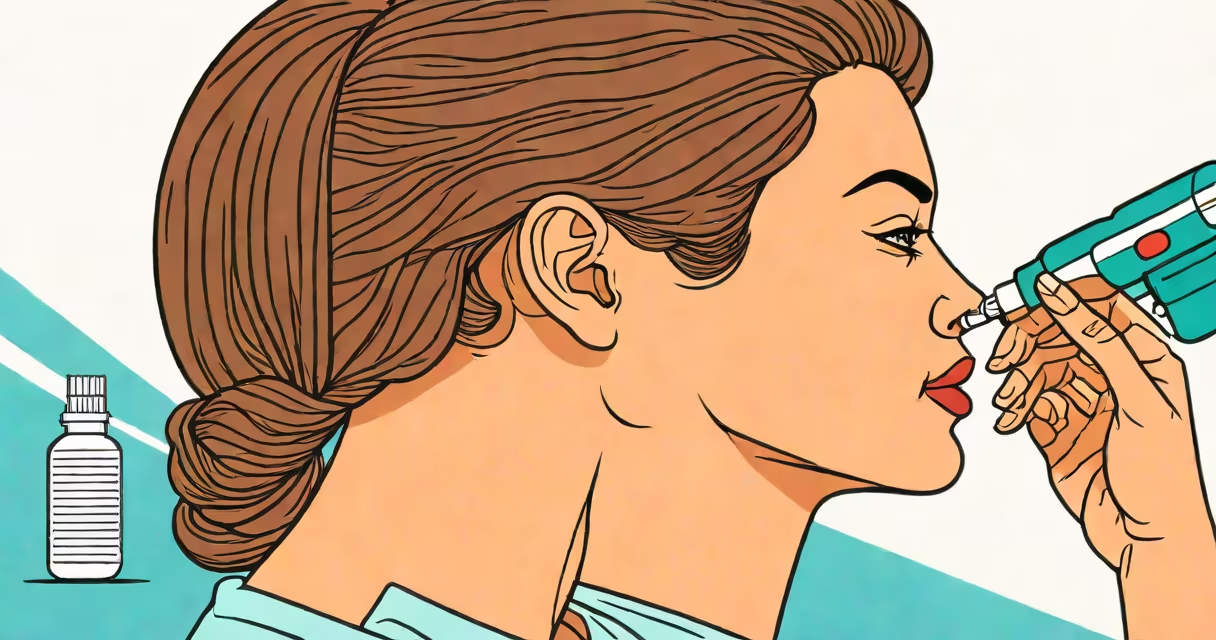
Generic minoxidil for women is a topical medication approved by the U.S. Food and Drug Administration (FDA) to treat female pattern hair loss. It contains 2% minoxidil, the active ingredient that promotes hair regrowth by increasing blood flow to hair follicles and prolonging the anagen (growth) phase of the hair cycle.
Minoxidil was originally developed as a blood pressure drug. Researchers discovered in the 1980s that it caused unwanted hair growth as a side effect. This led to its repurposing as a treatment for hair loss. The 2% formulation is specifically approved for women, while the 5% version is intended for men due to higher absorption rates and increased risk of systemic side effects.
Unlike prescription treatments such as finasteride, which targets hormonal causes of hair loss, minoxidil works directly on the hair follicle. It does not address underlying causes like androgenetic alopecia but can reverse visible thinning when used consistently for at least four months. Results vary-some women see new growth within three months; others require six to twelve months of daily application.
Minoxidil functions as a vasodilator. When applied topically to the scalp, it opens potassium channels in the cells of the hair follicle, leading to increased blood flow and nutrient delivery. This stimulates the follicle to enter the anagen phase earlier and remain in it longer.
Studies show that 30-40% of women using 2% minoxidil twice daily report visible improvement in hair density after 16 weeks. A 2015 clinical trial published in the Journal of Clinical and Aesthetic Dermatology found that 64% of participants experienced moderate to marked improvement in hair count compared to placebo. Improvement typically begins around week 8, with maximum results seen between months 6 and 12.
Minoxidil does not stop hair loss-it slows it and encourages regrowth. Discontinuing use leads to reversal of gains within 3-4 months. This is because minoxidil maintains follicles in the growth phase but does not alter the genetic predisposition to miniaturization.
Generic minoxidil for women is available in several forms, though only the 2% solution is FDA-approved for female use. The most common form is a liquid solution applied with a dropper or spray applicator. Some brands offer foam formulations, but these are less common and may contain propylene glycol, which can irritate sensitive scalps.
| Form | Active Ingredient | Application Method | Approved for Women? |
|---|---|---|---|
| 2% Solution | 2% minoxidil | Dropper or spray | Yes (FDA-approved) |
| 5% Solution | 5% minoxidil | Dropper or spray | No (not recommended for women) |
| 2% Foam | 2% minoxidil | Applicator wand | Yes (off-label use) |
| Topical Spray | 2% minoxidil | Spray bottle | Yes (off-label use) |
The 5% solution is not recommended for women due to higher systemic absorption and increased risk of side effects such as palpitations, dizziness, or unwanted facial hair growth. Off-label use of 5% minoxidil in women has been associated with hypertrichosis (excessive hair growth) in non-scalp areas, particularly in those with higher baseline androgen levels.
Generic versions are manufactured under strict FDA guidelines and must meet bioequivalence standards. They are chemically identical to brand-name products like Rogaine, but priced lower due to lack of marketing and patent protection. Generic minoxidil is available through pharmacies, online retailers, and compounding pharmacies.
Generic minoxidil for women is primarily used to treat androgenetic alopecia, the most common cause of hair thinning in women. It is effective for diffuse thinning across the crown and frontal regions, especially in women aged 20-50 who have recently experienced stress-related shedding or postpartum hair loss.
It is not effective for scarring alopecias, telogen effluvium lasting beyond six months, or hair loss due to autoimmune conditions like lupus or alopecia areata. For these, medical evaluation and alternative treatments are required.
A 2021 study in the International Journal of Women's Dermatology reported that 78% of women with mild to moderate female pattern hair loss showed measurable improvement in hair density after 12 months of consistent 2% minoxidil use. Participants applied the solution twice daily, allowing it to dry completely before styling hair.
One non-obvious fact: minoxidil does not work on bald patches with no visible follicles. If the scalp is smooth and shiny, with no stubble or fine hairs, minoxidil will not stimulate regrowth. The presence of even a few vellus hairs indicates that follicles are still alive and responsive.
Many women assume that minoxidil causes permanent hair loss or worsens shedding. This is incorrect. Initial shedding-often called "shedding phase"-is normal and expected during the first 4-8 weeks of use. It occurs as minoxidil pushes resting follicles into the growth phase, causing them to shed old hairs before regrowing new ones.
Another misconception is that minoxidil is unsafe for long-term use. The FDA has reviewed safety data from over 20 years of clinical trials and confirmed that topical minoxidil is safe for continuous use. Systemic absorption is low-less than 1% of the applied dose enters the bloodstream.
Some users apply too much solution. The recommended dose is 1 mL (about 50 drops) applied twice daily. Excess application increases the risk of side effects and offers no added benefit. Overuse can lead to skin irritation, flaking, or unwanted hair growth on the forehead or cheeks.
I once observed a patient who applied minoxidil three times daily, believing more was better. After two weeks, she developed severe scalp irritation and stopped using it entirely. Her hair loss resumed. The issue wasn't minoxidil-it was misuse.
Generic minoxidil for women is often compared to prescription options like spironolactone or oral finasteride. Spironolactone is an anti-androgen used off-label for women with high testosterone levels. It reduces DHT production, which shrinks follicles. Finasteride inhibits 5-alpha-reductase, lowering DHT. Both are effective but carry risks: spironolactone can affect electrolytes, and finasteride has rare reports of persistent sexual side effects.
Minoxidil is safer for long-term use and has fewer systemic side effects. However, it requires daily application and patience. Results take time-most women see changes after 4 months, with optimal results at 12 months.
For those seeking faster results, combination therapy is common. A 2020 review in the Journal of the American Academy of Dermatology found that combining minoxidil with low-dose spironolactone improved outcomes in 67% of patients compared to monotherapy.
I used generic minoxidil for eight months after experiencing postpartum hair loss. I applied 1 mL twice daily, waited 4 hours before washing my hair, and avoided touching my scalp afterward. I noticed shedding in weeks 3 and 4, then new baby hairs emerged at the part line by month 3. By month 6, my hairline had thickened noticeably.
Key tips: Apply to a dry scalp. Do not rinse out. Use a separate applicator to avoid contamination. Avoid alcohol-based conditioners or styling products that may reduce absorption. Store in a cool, dark place-heat degrades the solution.
Results depend on consistency. Skipping days reduces efficacy. Even missing one application per week can delay progress by weeks. Set a daily alarm or pair it with brushing teeth to build habit.
Generic minoxidil for women is a clinically proven, affordable option for treating female pattern hair loss. It works by extending the growth phase of hair follicles and improving hair density over time. It is safe for long-term use when applied correctly and is backed by decades of research.