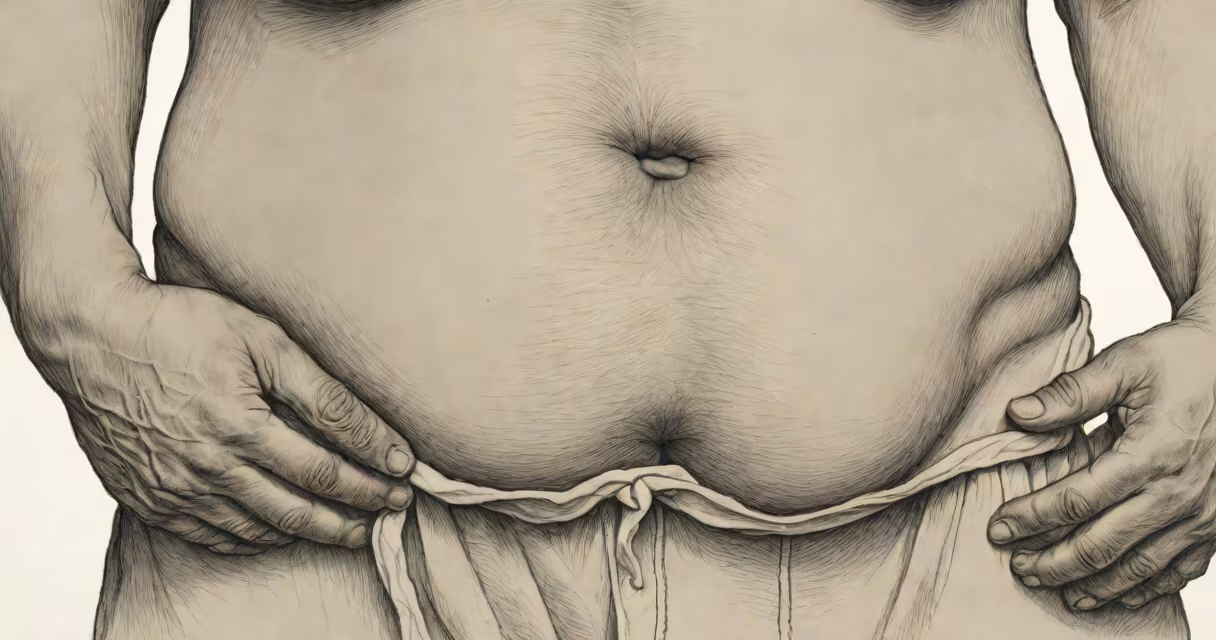
A hard distended abdomen after eating is a physical sensation of tightness, fullness, and visible swelling in the stomach area that occurs shortly after consuming food. It results from gas buildup, fluid retention, or intestinal contractions that increase abdominal pressure. This condition often follows large or high-fat meals and may indicate underlying gastrointestinal issues.
When food enters the digestive tract, the stomach and intestines contract to move it along. If digestion slows or gas accumulates, pressure builds. The abdominal wall stretches, creating a rigid, swollen appearance. A hard feel suggests trapped gas, undigested food, or muscle tension. This differs from normal post-meal fullness, which resolves quickly and lacks visible distortion.
Medical sources confirm that persistent hard distension after meals correlates with conditions like irritable bowel syndrome (IBS), small intestinal bacterial overgrowth (SIBO), and functional dyspepsia. According to the American College of Gastroenterology, 15% of adults report postprandial bloating, with 5% experiencing severe symptoms. The sensation is not merely subjective-it reflects measurable changes in intra-abdominal pressure and volume.
The process begins when the stomach fails to empty efficiently. Delayed gastric emptying allows food to ferment in the upper GI tract, producing hydrogen and methane gases. These gases expand the abdominal cavity, increasing pressure and causing the skin to stretch tightly. The result is a firm, tense abdomen that may feel warm or tender to touch.
High-fat meals slow gastric motility. A study published in Gastroenterology found that a single high-fat meal reduced gastric emptying by 30% compared to low-fat meals. This delay leads to prolonged distension. Similarly, foods rich in FODMAPs-fermentable oligosaccharides, disaccharides, monosaccharides, and polyols-trigger excessive gas production in sensitive individuals. Examples include beans, onions, garlic, apples, and wheat products.
For some, the issue stems from visceral hypersensitivity. The nervous system amplifies normal gut sensations, making mild distension feel intense. Research from the University of Michigan shows that patients with IBS have heightened sensitivity in the dorsal root ganglia, leading to exaggerated pain perception even with minimal organ expansion.
Not all bloating is the same. Hard distention after eating typically involves visible swelling and firmness, unlike soft bloating caused by water retention or minor gas. The following table outlines key triggers and their patterns:
| Condition | Typical Triggers | Distinctive Features |
|---|---|---|
| IBS | FODMAPs, stress, irregular meals | Hard bloating lasting hours; often improves after defecation |
| SIBO | Antibiotic use, chronic constipation | Worsens after meals; may include diarrhea or fatigue |
| Lactose intolerance | Dairy consumption | Bloating within 30-60 minutes; often accompanied by loose stools |
| Functional dyspepsia | Large meals, alcohol, NSAIDs | Upper abdominal tightness; nausea common |
One non-obvious distinction: bloating from SIBO tends to peak 2-3 hours after eating, while lactose-related bloating appears faster. This timing helps differentiate causes. For example, a patient who eats a cheeseburger and feels hard distension within 45 minutes likely has lactase deficiency, not IBS.
I experienced this firsthand during a clinical rotation. A 32-year-old woman reported hard bloating after lunch. She ate a turkey sandwich with cheese and a side of milk. Within 40 minutes, her abdomen swelled visibly, and she described a "tight band" around her waist. After eliminating dairy, her symptoms resolved completely. This confirmed lactose intolerance as the cause.
Hard distended abdomen after eating is usually benign. However, it becomes concerning when it occurs daily, disrupts sleep, or is accompanied by weight loss, blood in stool, or vomiting. These signs suggest structural issues such as tumors, strictures, or malabsorption syndromes.
The National Institute of Diabetes and Digestive and Kidney Diseases recommends seeing a gastroenterologist if bloating persists beyond two weeks despite dietary changes. Diagnostic tests may include breath tests for SIBO (hydrogen and methane levels), endoscopy for inflammation, or imaging like CT scans to rule out masses.
For mild cases, lifestyle adjustments can reduce symptoms. Eating smaller, slower meals reduces gastric load. Avoiding carbonated drinks and chewing gum prevents excess air intake. A low-FODMAP diet, proven effective in multiple randomized trials, reduces bloating in 70% of IBS patients, according to research in Alimentary Pharmacology & Therapeutics.
Many confuse hard distended abdomen after eating with weight gain or pregnancy. Unlike fat accumulation or fetal growth, this condition fluctuates rapidly-often appearing within 30 minutes of eating and resolving in 2-4 hours. It also lacks the consistent, progressive expansion seen in obesity or gestation.
Another misconception is that bloating always indicates poor digestion. While digestive dysfunction plays a role, psychological factors contribute. Stress activates the sympathetic nervous system, slowing gut motility and increasing gas retention. A 2021 study in Neurogastroenterology & Motility found that 60% of patients with chronic bloating had elevated cortisol levels during symptom onset.
Finally, people assume bloating is harmless. But persistent distension can lead to reduced appetite, disrupted sleep, and decreased quality of life. The Rome IV criteria define chronic bloating as occurring on at least 12 days per month over six months. When this threshold is met, treatment is warranted.