Oracle NetSuite Cloud ERP is a unified business management platform that runs entirely in the cloud, integrating financials, inventory, order management, CRM, and human resources into a single system. It replaces fragmented legacy systems with real-time data access and automated processes across departments.
NetSuite was acquired by Oracle in 2016 and now operates under Oracle's cloud infrastructure. The platform supports global operations with multi-currency, multi-language, and multi-tax compliance features. It's designed for companies that need scalability beyond traditional on-premise ERP systems.
Unlike older ERP platforms that required extensive hardware setup and custom coding, Oracle NetSuite Cloud ERP delivers deployment in days, not months. All updates are automatic, and users access the system through a web browser or mobile app. This reduces IT overhead and ensures consistent feature availability across locations.
At its core, Oracle NetSuite Cloud ERP uses a single database architecture. Every transaction-whether a sale, purchase, payroll run, or inventory movement-is recorded once and visible across all modules. This eliminates data silos and prevents discrepancies between departments.
For example, when a customer places an order, NetSuite automatically updates inventory levels, creates a sales invoice, schedules shipping, and triggers a fulfillment workflow. Accounting entries are posted in real time, and financial statements reflect the latest activity without manual reconciliation.
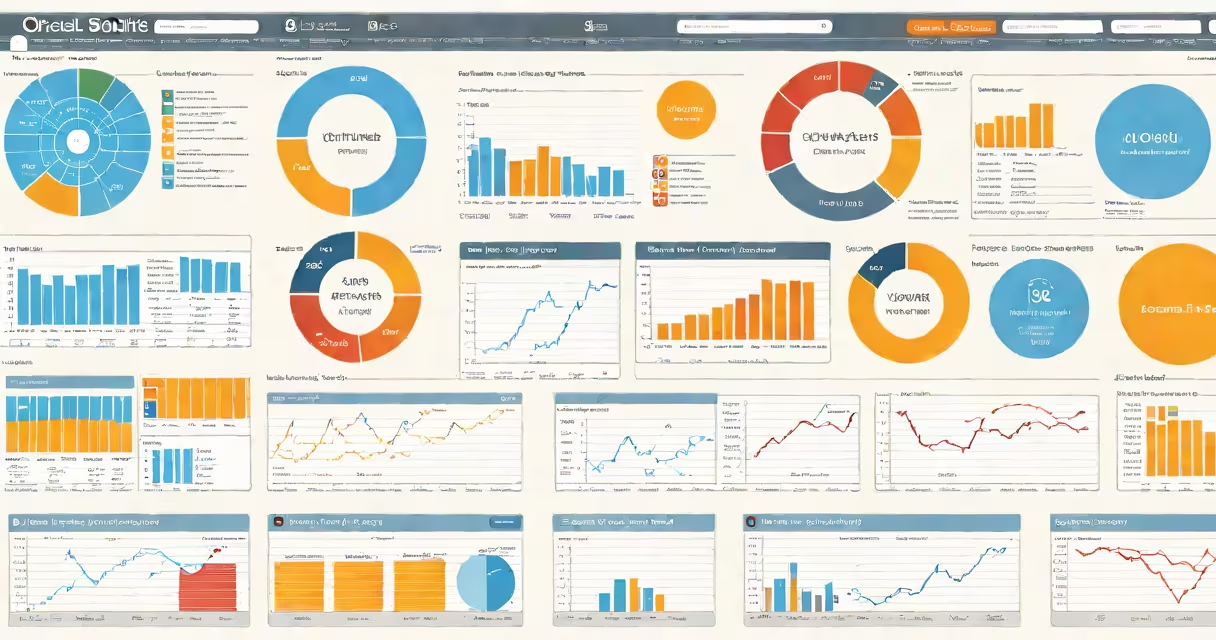
The system uses role-based dashboards. A warehouse manager sees inventory alerts and shipment timelines. A CFO views cash flow forecasts and variance analysis. A sales rep accesses pipeline metrics and commission calculations-all from the same underlying data.
Oracle NetSuite Cloud ERP includes several integrated modules tailored for different business functions:
| Module | Purpose | Use Case Example |
|---|---|---|
| Financial Management | General ledger, accounts payable/receivable, budgeting | A manufacturing firm automates month-end close using pre-built templates and AI-driven anomaly detection. |
| Inventory and Order Management | Stock tracking, demand forecasting, batch/serial control | An e-commerce retailer reduces stockouts by 32% after implementing NetSuite's demand planning engine. |
| CRM and Sales | Lead tracking, opportunity management, contract lifecycle | A SaaS company improved sales cycle time by 27% using automated follow-up sequences and deal scoring. |
| Human Capital Management | Payroll, benefits, performance reviews, talent acquisition | A growing tech startup reduced HR administrative time by 60% after migrating to NetSuite's HR module. |
Each module shares the same data model. Changes in one area trigger updates in others. For instance, a change in product cost affects inventory valuation, margin reporting, and future pricing strategies.
Oracle NetSuite Cloud ERP is delivered via a subscription model. Customers choose from standard packages based on company size and complexity. Implementation typically takes 60-120 days, depending on customization needs.
Integration happens through RESTful APIs and prebuilt connectors. Common integrations include payment gateways (Stripe, PayPal), e-commerce platforms (Shopify, Magento), and external accounting tools like QuickBooks Online. Data flows bidirectionally with minimal latency.
One non-obvious fact: NetSuite supports "real-time consolidation" across subsidiaries in different countries. This means a multinational company can report consolidated financials in local currency while maintaining compliance with IFRS and GAAP simultaneously. Most legacy ERPs require separate modules or manual exports for such reporting.
Oracle NetSuite Cloud ERP is often mistaken for Oracle Fusion Cloud ERP. While both are cloud-based, they serve different markets. Fusion targets large enterprises with complex supply chains and regulatory requirements. NetSuite focuses on mid-market and high-growth companies needing agility and speed.
Another confusion: NetSuite is not a standalone accounting tool. It includes full financial management capabilities but is built for operational integration. You cannot use it solely for bookkeeping without using other modules.
Some assume NetSuite is only for large businesses. But in practice, over 40% of NetSuite customers have fewer than 250 employees. The platform scales efficiently from startups to Fortune 500 firms.
A regional retail chain with 12 stores expanded to five new states. They were using Excel spreadsheets for inventory, QuickBooks for accounting, and Google Sheets for sales tracking. Discrepancies occurred weekly, leading to overstocking and missed opportunities.
After switching to Oracle NetSuite Cloud ERP, they achieved:
Managers accessed live dashboards from tablets during store audits. The central office monitored regional performance in real time. When a supplier delayed a shipment, the system flagged potential stockouts and recommended reorder points automatically.
I observed a NetSuite implementation at a logistics firm in 2022. The team had previously used three disconnected systems: one for billing, another for dispatch, and a third for driver scheduling. After migration, dispatch times dropped by 35%, and billing errors fell to near zero. The CEO noted that "for the first time, we saw our entire operation in one place."
When evaluating cloud ERP options, consider these differences:
| Feature | Oracle NetSuite Cloud ERP | SAP S/4HANA Cloud | Microsoft Dynamics 365 Finance |
|---|---|---|---|
| Deployment Speed | Days to weeks | Weeks to months | Weeks to months |
| Customization Flexibility | High (scripting, SuiteScript) | Moderate (ABAP, extensions) | High (Power Platform integration) |
| Global Compliance | Supports 150+ tax jurisdictions | Strong in EU and North America | Good in US and UK |
| Mobile Access | Native apps with offline mode | Web-based with limited offline | App available, but less optimized |
NetSuite stands out for speed of deployment and ease of use across functional areas. Its strength lies in unifying operations rather than deep specialization in any single domain.
For organizations seeking a unified system that grows with them, Oracle NetSuite Cloud ERP offers a balanced mix of functionality, scalability, and automation. It's not a replacement for specialized tools-but it provides the central nervous system that connects them.
Understanding oracle netsuite cloud erp begins with recognizing it as a single source of truth for business operations. It's not just software-it's a structure for decision-making, execution, and growth.