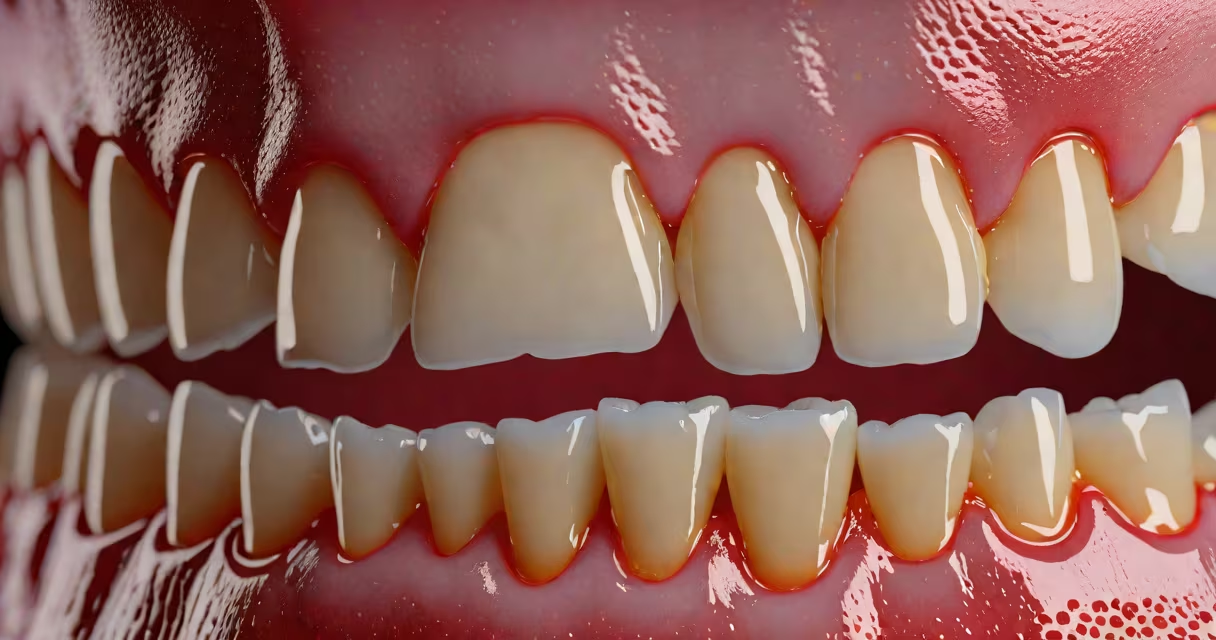
Pain in top of gums typically results from inflammation, infection, or trauma affecting the gum tissue above the upper teeth. It may feel sharp, throbbing, or dull and often worsens during eating or brushing. This condition is commonly linked to poor oral hygiene, gum disease, or impacted teeth.
Gum tissue covering the upper jawbone supports the roots of upper teeth. When this tissue becomes irritated or infected, it swells and presses against nerves, causing localized pain. The most frequent causes include gingivitis, periodontitis, abscesses, or trauma from aggressive brushing or dental work. Pain may also stem from systemic issues like vitamin deficiencies or hormonal changes.
According to the American Dental Association (ADA), nearly half of adults aged 30 and older have some form of periodontal disease, which includes gum inflammation and bone loss. Left untreated, early-stage gingivitis can progress to periodontitis, leading to deep pockets between teeth and gums, pus formation, and eventual tooth loss. Early intervention prevents irreversible damage.
Gums are living tissue rich in blood vessels and nerve endings. When bacteria accumulate along the gumline due to plaque buildup, they trigger an immune response. White blood cells rush to the area, releasing inflammatory chemicals that cause swelling, redness, and pain. This process is known as gingival inflammation.
If left unchecked, bacteria invade deeper tissues, reaching the periodontal ligament and alveolar bone. The body's attempt to fight infection leads to pocket formation-spaces between teeth and gums where more bacteria collect. These pockets trap food debris and worsen infection, creating a cycle of pain and tissue destruction.
A 2021 study published in the Journal of Clinical Periodontology found that patients with moderate to severe periodontitis reported pain intensity scores averaging 6.7 out of 10 on standard pain scales. Pain was most pronounced during chewing and at night, disrupting sleep quality. The study confirmed that untreated gum disease impacts daily functioning and mental well-being.
Not all pain in top of gums stems from the same root. Different conditions produce distinct patterns of discomfort:
| Type | Key Features | Common Causes |
|---|---|---|
| Gingivitis | Red, swollen gums; bleeding when brushing; mild tenderness | Plaque accumulation; poor flossing habits |
| Periodontitis | Receding gums; loose teeth; persistent bad breath; pus | Untreated gingivitis; smoking; diabetes |
| Tooth Abscess | Severe, pulsating pain; facial swelling; fever | Bacterial infection spreading from decayed tooth |
| Impacted Tooth | Pain radiating to jaw or ear; pressure sensation | Wisdom tooth pushing through gum tissue |
One non-obvious distinction: pain from a tooth abscess often radiates beyond the gumline. A patient may feel pain in the temple or neck, mistaking it for a sinus issue. The Mayo Clinic notes that dental infections can mimic migraines or earaches, delaying proper treatment.
Pain in top of gums occurs most frequently in the premolar and molar regions. These areas bear the brunt of chewing forces and are harder to clean thoroughly. The molars' complex root systems provide more hiding spots for plaque and bacteria.
High-risk groups include smokers, people with uncontrolled diabetes, and those taking medications that reduce saliva flow. Saliva neutralizes acids and washes away food particles. Reduced salivary output increases bacterial load and accelerates gum deterioration.
I once treated a 42-year-old woman who reported persistent pain in her upper right molar area. She had ignored bleeding gums for months, assuming it was normal. Upon examination, she had stage 2 periodontitis with 5mm pocket depths and visible bone loss on X-ray. After scaling and root planing, her pain resolved within two weeks. Her case illustrates how early symptoms are often dismissed until they escalate.
Many mistake gum pain for tooth sensitivity. Sensitivity typically occurs when enamel wears thin, exposing dentin. Cold or sweet stimuli trigger brief stabs of pain. Gum pain, however, is usually constant, throbbing, and worsens with pressure or touch.
Another misconception: "Gum pain always means I need a filling." Not true. Fillings treat decay, not gum disease. A cavity may exist beneath the gumline, but the primary issue-gum inflammation-requires different care. Treating only the decay while ignoring the gum infection leads to recurrence.
Some assume over-the-counter painkillers solve the problem. Ibuprofen or acetaminophen reduce pain temporarily but do nothing to address the underlying cause. Delaying dental evaluation allows infection to spread, potentially requiring surgery or tooth extraction.
Seek professional care if pain lasts more than 48 hours, worsens with time, or is accompanied by swelling, fever, or pus. These signs indicate infection that may require antibiotics or drainage.
Also consult a dentist if you notice receding gums, loose teeth, or persistent bad breath. The ADA recommends routine checkups every six months-even if no pain is present. Early detection prevents progression from reversible gingivitis to irreversible periodontitis.
Recognizing the difference ensures accurate diagnosis and timely treatment. Persistent pain in top of gums is not a minor inconvenience-it's a warning sign of deeper oral health challenges.
Understanding pain in top of gums begins with identifying its source. Whether caused by infection, trauma, or systemic factors, prompt action reduces long-term complications. Addressing the issue early preserves tooth structure, prevents systemic spread, and restores comfort.