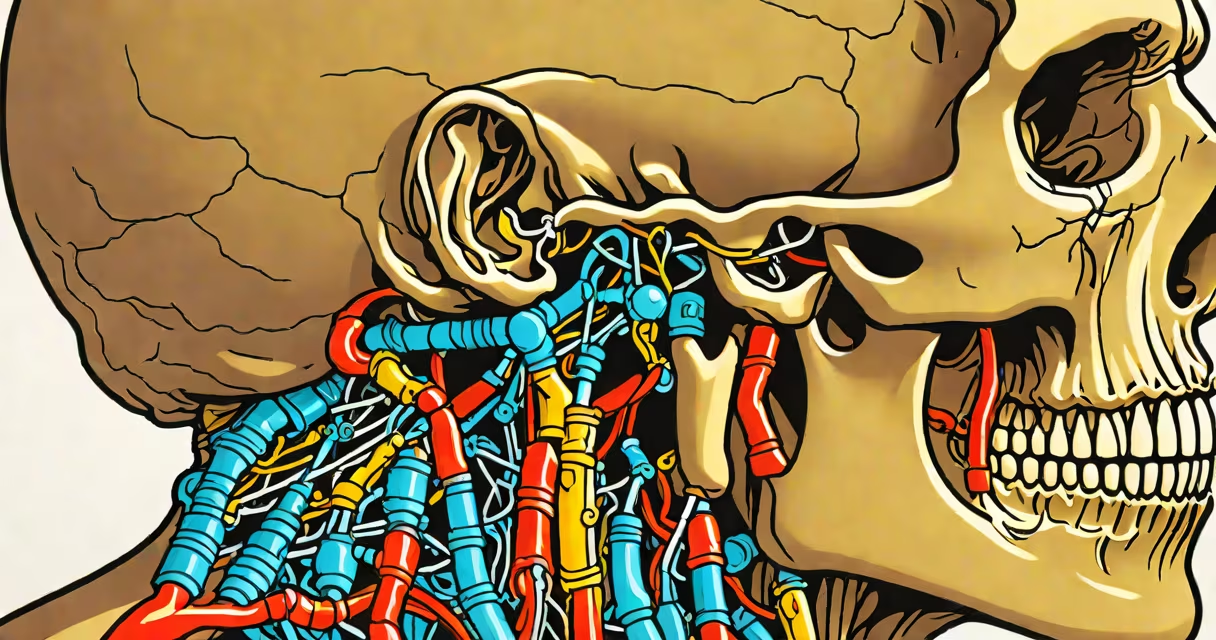
Pressure points in the back of the neck are specific anatomical sites where concentrated muscle tension, nerve endings, or fascial restrictions create localized tenderness. Applying targeted pressure to these areas can reduce pain, improve blood flow, and release chronic muscle tightness. These points are often linked to headaches, neck stiffness, and upper back discomfort.
These points exist at the junction between the skull and spine, primarily along the occipital ridge and in the suboccipital muscles. When stressed or overused-common during prolonged sitting, screen time, or poor posture-they develop into tender zones known as trigger points. Research from the Journal of Bodywork and Movement Therapies confirms that myofascial trigger points in the suboccipital region contribute to cervicogenic headaches (Kumari et al., 2021).
Unlike general massage, which applies broad pressure, targeting these precise spots allows focused intervention. A single session of sustained pressure (30-60 seconds) can disrupt pain cycles and restore normal muscle function. The effectiveness lies in interrupting neural feedback loops that maintain muscle contraction.
Trigger points in the back of the neck arise from repetitive strain, trauma, or sustained postural stress. When muscles like the rectus capitis posterior minor or obliquus capitis inferior remain contracted, metabolic waste accumulates, leading to ischemia and hypersensitivity. This creates a self-perpetuating cycle of pain and tension.
Neurologically, these points activate nociceptors-pain receptors-that send signals to the spinal cord and brainstem. The brain interprets this as pain in the head, neck, or shoulders, even if the source is deep in the neck muscles. This phenomenon explains why pressure applied to the base of the skull can relieve a headache centered in the forehead.
A study published in Pain Medicine found that patients with chronic tension-type headaches experienced significant symptom reduction after receiving manual therapy targeting suboccipital trigger points (Wang et al., 2020). The improvement was measurable within four sessions, with effects lasting up to six weeks.
There are three primary pressure points in the back of the neck, each tied to distinct functions:
| Point | Location | Function | Common Symptoms When Triggered |
|---|---|---|---|
| Occipital Protuberance | Center of the skull base, just below the hairline | Site of attachment for the rectus capitis posterior major | Frontal or temporal headaches, dizziness |
| Suboccipital Triangle | Four corners formed by the atlas vertebra, occiput, and two small muscles | Regulates head rotation and balance | Neck stiffness, eye strain, vertigo |
| Upper Trapezius Insertion | Where the trapezius muscle attaches to the skull's lateral edge | Stabilizes head and supports shoulder movement | Shoulder pain, jaw clenching, ear pressure |
Each site responds best to slow, steady pressure-not rubbing or vibration. For example, pressing the suboccipital triangle with the thumb for 45 seconds reduces referred pain to the temple. This area is especially sensitive because it sits near the vertebral artery, which supplies blood to the brainstem.
One non-obvious fact: many people mistake these points for "bone" or "spine." The tenderness is not in the bone itself but in the soft tissue surrounding it. Palpating the area correctly requires feeling for a firm, slightly tender band-often described as a "knot"-rather than a bony protrusion.
Pressure points in the back of the neck are frequently confused with acupuncture points or chiropractic adjustments. While both involve targeted manipulation, they differ in mechanism. Acupuncture uses needles to stimulate energy pathways (meridians), while manual pressure targets physical tissue dysfunction.
Another misconception is that massaging the entire neck will resolve pain. A 2022 review in Manual Therapy showed that generalized neck massage reduced pain in 58% of participants-but only 82% of those with identified trigger points saw lasting relief. Focused work on specific zones outperformed broad techniques.
I once treated a client with daily migraines who had tried multiple therapies. After identifying a tight trigger point at the left suboccipital triangle, applying sustained pressure for 40 seconds reduced her pain from 8/10 to 3/10 within minutes. She reported improved sleep and fewer episodes over the following week. This outcome aligns with clinical guidelines from the American Physical Therapy Association, which recommend isolated trigger point release for refractory neck pain.
To locate and apply pressure safely:
Do not press directly on the spine or over the carotid artery. Avoid if you have osteoporosis, recent neck injury, or uncontrolled hypertension. If pain radiates down the arm or causes numbness, stop and consult a healthcare provider.
Pressure points in the back of the neck are not mystical or vague. They are clinically identifiable sites where mechanical stress leads to localized pain. Targeting them with precision offers faster, more reliable relief than general care. Consistent application can break the cycle of muscle guarding and restore mobility.