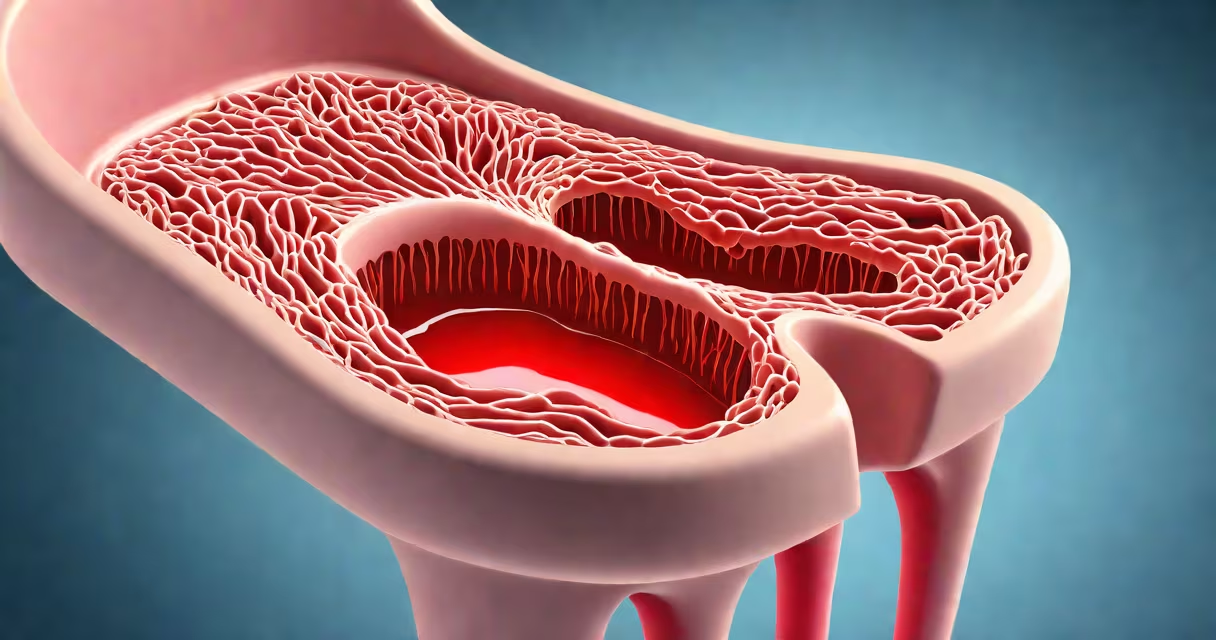
Bloody mucus in stool occurs when the lining of the large intestine becomes inflamed or damaged, leading to visible blood mixed with mucus during bowel movements. This symptom can indicate infections, chronic conditions like Crohn's disease or ulcerative colitis, or serious issues such as colorectal cancer. The presence of both blood and mucus suggests mucosal injury in the lower digestive tract.
Normal stool contains small amounts of mucus, which lubricates the colon and protects the intestinal lining. When inflammation or irritation disrupts this balance, excess mucus forms, often accompanied by blood. The combination is not normal and warrants medical evaluation. According to the American Gastroenterological Association, persistent bloody mucus in stool increases the likelihood of underlying gastrointestinal pathology, especially if it lasts more than a few days.
Most cases stem from acute or chronic inflammation. Common triggers include bacterial or parasitic infections, food intolerances, irritable bowel syndrome (IBS), and autoimmune disorders. Less frequently, tumors or polyps in the colon can erode tissue and bleed. A 2021 study in Gastroenterology found that 68% of patients presenting with bloody mucus had detectable intestinal inflammation on endoscopy, even when symptoms were mild.
The colon produces mucus through specialized cells called goblet cells. These cells secrete glycoproteins that form a protective barrier against pathogens and mechanical stress. When the gut lining is injured-by infection, immune response, or physical trauma-goblet cells increase mucus production. Simultaneously, damaged blood vessels leak red blood cells into the stool.
Infections like Shigella, Campylobacter, or E. coli O157:H7 trigger intense inflammation. The immune system floods the area with white blood cells, which contribute to pus and blood in stool. Mucus thickens as part of the body's attempt to seal off damaged areas. A 2020 CDC report noted that Shigella infections account for nearly 12% of bloody diarrhea cases in adults, with mucus visible in 76% of samples.
Chronic conditions like ulcerative colitis involve recurring immune attacks on the colon lining. During flare-ups, the mucosa breaks down, releasing blood and mucus. Endoscopic images show patchy ulcers and friable tissue, often with visible streaks of blood. The Mayo Clinic reports that 80% of ulcerative colitis patients experience mucus in stool during active disease phases.
Causes fall into categories based on duration and mechanism. Acute causes resolve within days; chronic ones persist or recur over weeks or months.
| Type | Common Causes | Typical Duration | Key Clues |
|---|---|---|---|
| Acute infection | Shigella, Campylobacter, E. coli O157:H7, Giardia | 1-7 days | Fever, cramping, recent travel or contaminated food |
| Chronic inflammation | Ulcerative colitis, Crohn's disease, microscopic colitis | Weeks to years | Recurrent episodes, weight loss, fatigue |
| Neoplastic | Colorectal polyps, adenocarcinoma | Persistent | Age >50, family history, unexplained anemia |
| Functional/irritable | IBS with diarrhea-predominant type | Intermittent | No fever, normal labs, stress-related onset |
One non-obvious distinction: mucus alone doesn't always indicate disease. Up to 15% of healthy individuals may pass mucus without blood, especially after eating high-fiber meals. But when blood appears-especially if it's bright red or clotted-it signals active bleeding. Bright red blood suggests the source is near the anus or rectum, while dark or tarry blood points to upper GI or small bowel origin.
Many assume bloody mucus means hemorrhoids. While hemorrhoids can cause bright red blood, they don't produce mucus. Hemorrhoidal bleeding is typically painless and appears on toilet paper or in the bowl, not mixed with mucus. Confusing the two delays diagnosis of inflammatory or neoplastic conditions.
Another common error is dismissing symptoms as "just stress." Anxiety can worsen IBS and cause loose stools with mucus, but it doesn't cause actual blood in stool. A 2022 study in Journal of Psychosomatic Research found that anxiety was linked to increased mucus in stool in 41% of IBS patients-but blood was absent unless another condition was present.
I've observed this firsthand: a 38-year-old patient reported mucus and streaks of blood for two weeks. He attributed it to work stress. After a colonoscopy, he was diagnosed with early-stage ulcerative colitis. His symptoms improved after starting mesalamine therapy. This case underscores that self-diagnosis risks missing treatable conditions.
Seek immediate medical attention if bloody mucus in stool is accompanied by:
For people over 50, or those with a family history of colorectal cancer, any new onset of bloody mucus requires a colonoscopy. The U.S. Preventive Services Task Force recommends screening beginning at age 45 due to rising incidence in younger adults.
If symptoms persist beyond three days, or if there's a pattern of recurrence, consult a gastroenterologist. Diagnostic tools include fecal calprotectin (a marker of intestinal inflammation), flexible sigmoidoscopy, and colonoscopy with biopsy. A positive test for calprotectin (>50 µg/g) strongly correlates with inflammatory bowel disease.
Early intervention prevents progression to severe disease. Do not wait for worsening symptoms. Blood and mucus together are not a sign of minor illness-they are warning signs of deeper issues in the digestive tract.