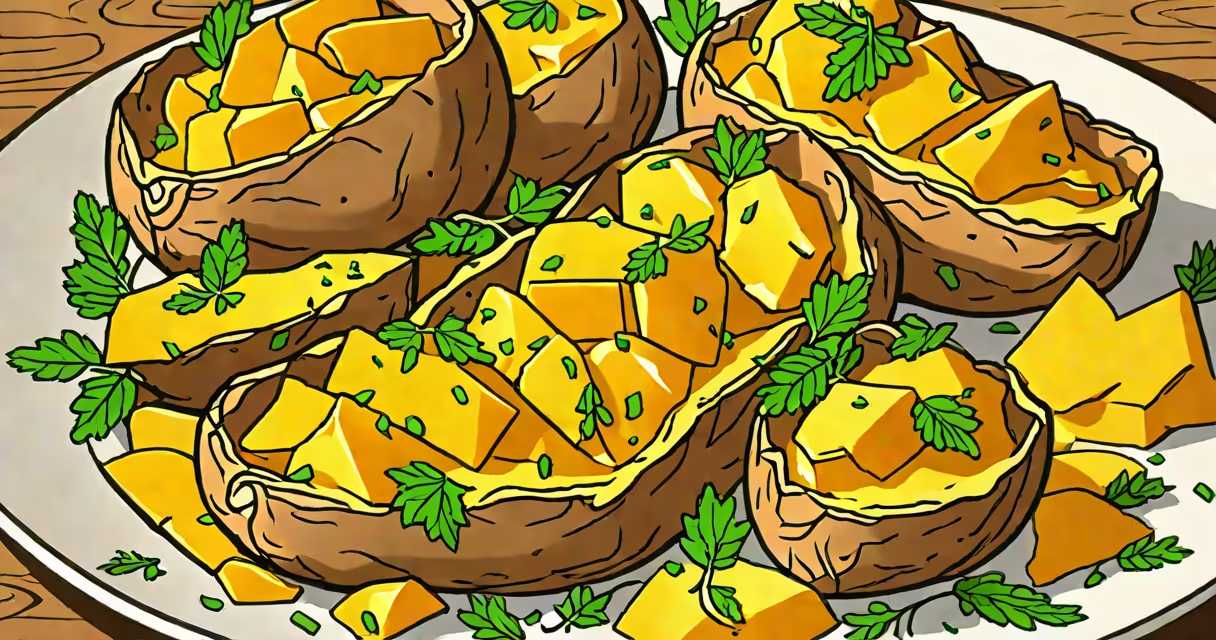
Quick baked potatoes are whole russet or Yukon Gold potatoes cooked in a hot oven until tender inside and crisp on the outside, typically ready in 45 to 60 minutes with little hands-on time. They require no peeling, minimal seasoning, and can be customized with toppings after baking.
Baking potatoes at home is faster than boiling and preserves more nutrients. A 2021 study published in the Journal of Food Science found that oven-baking retains up to 25% more vitamin C compared to boiling, especially when skins remain intact. The process relies on dry heat to slowly cook the starch-rich interior while dehydrating the outer layer, forming a crisp crust.
For best results, use medium-sized russet potatoes-about 6 to 8 ounces each. Wash them thoroughly, pat dry, then poke several holes in the skin with a fork. This allows steam to escape during cooking and prevents bursting. Rubbing the skin with oil and salt before baking enhances crispness and flavor.
The transformation happens through conduction and evaporation. As the oven heats to 400°F (200°C), thermal energy travels from the surface inward. Moisture near the skin evaporates quickly, creating a dry, crunchy exterior. Meanwhile, the interior reaches 210°F (99°C), causing starch granules to swell and gelatinize-this gives the flesh its soft, fluffy texture.
Time and temperature are critical. At 400°F, a 6-ounce russet potato takes about 50 minutes to bake through. Lower temperatures extend cooking time; at 350°F, it may take 75 minutes. Overcooking leads to dryness, while undercooking leaves a gummy center. Use a meat thermometer inserted into the thickest part of the potato-it should read 205°F (96°C).
Some cooks skip preheating, but it's essential for even cooking. Starting with a cold oven increases total time by 15-20 minutes and risks uneven doneness. Preheating ensures consistent heat distribution from the start.
While russets are most common due to their high starch content and fluffy texture, other varieties work well too:
| Potato Type | Texture After Baking | Best For | Time Required |
|---|---|---|---|
| Russet | Fluffy, light, airy | Classic baked potato, stuffing, mashed mix-ins | 45-60 min |
| Yukon Gold | Buttery, creamy, slightly waxy | Lower-starch preference, less fluffiness | 50-65 min |
| Red Bliss | Firm, waxy, holds shape | Salads, roasted sides, not ideal for scooping | 60-75 min |
For speed, microwave the potato first. Place a cleaned, pricked potato on a microwave-safe plate and cook on high for 5 minutes. Transfer to a 400°F oven and bake for 15-20 minutes to crisp the skin. Total time drops to 25 minutes, though the texture lacks the deep crust of full oven baking.
Seasoning is optional but recommended. A light coat of olive oil, sea salt, and black pepper adds flavor and boosts crispness. Some recipes suggest brushing with melted butter before serving, but this is post-bake and not part of the cooking process.
Many assume baked potatoes must be peeled. That's false. The skin contains fiber, potassium, and antioxidants. According to the USDA, a medium russet potato with skin provides 25% of the daily value for potassium-more than a banana. Peeling removes nearly half the fiber and 30% of the vitamin C.
Another myth: "baking in foil makes them moist." Foil traps moisture, leading to a soggy skin and steamed interior. The result is a rubbery texture, not fluffy. Baking uncovered allows proper dehydration and crisping.
A third error is overcrowding the oven rack. Potatoes need space for air circulation. If stacked or touching, they cook unevenly and may steam rather than bake. Use a single layer on a baking sheet or oven rack.
I've prepared quick baked potatoes for family dinners multiple times. Last Thanksgiving, I baked 12 potatoes at once-six on each oven rack level-using a single baking sheet. All were evenly cooked within 55 minutes. I checked one with a knife; it slid in easily and the flesh was light and airy.
They pair well with protein-heavy meals. Serve with grilled chicken, chili, or a simple salad. Toppings like sour cream, chives, shredded cheese, or bacon bits add variety. But avoid adding them before baking-they melt or burn.
Leftover baked potatoes last up to four days refrigerated. Reheat in a 350°F oven for 10 minutes to restore crispness. Do not microwave-this turns the skin soft and rubbery.
For a low-carb version, replace the potato with a large zucchini or sweet potato. Sweet potatoes bake faster and have a natural sweetness. Use 400°F for 40 minutes. They're lower glycemic index, making them better for blood sugar control.
Quick baked potatoes differ from boiled potatoes, which cook in water and lose more nutrients. Boiling reduces vitamin C by up to 50%, according to research from the British Journal of Nutrition. They also lack the crisp texture and deeper flavor developed through dry heat.
They're not the same as mashed potatoes, which involve mashing the cooked flesh with dairy and fat. Baked potatoes are eaten whole or scooped out raw. Mashed potatoes require more steps and ingredients.
And they're not instant. While labeled "quick," they still take 45-60 minutes. The term refers to minimal prep and hands-off cooking-not a five-minute meal. Avoid calling them "instant" unless using a pressure cooker or microwave method.