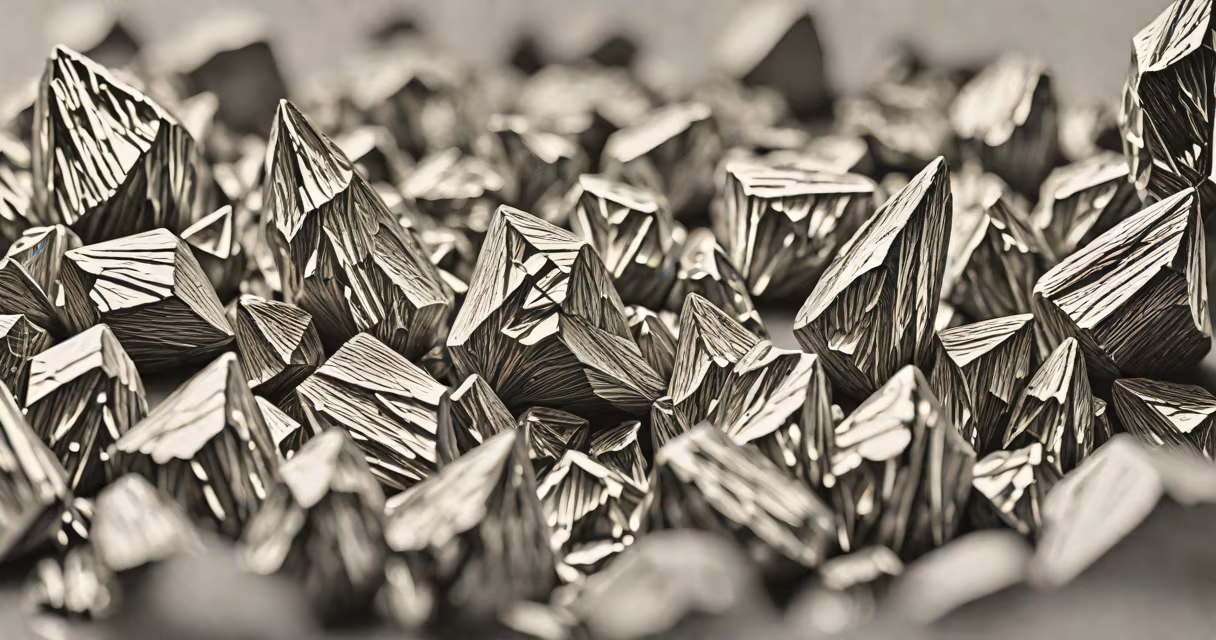
Calcium oxalate stones form when calcium and oxalate levels in urine rise high enough to crystallize, creating solid masses in the kidneys. These are the most common type of kidney stone, making up about 80% of cases. The process begins when the urine becomes supersaturated with these minerals, leading to crystal nucleation and growth.
Stone formation starts in the renal tubules. When urine concentration increases due to dehydration or high solute load, calcium and oxalate ions bind together. Once they exceed solubility limits, they precipitate into microscopic crystals. These grow over time, aggregating into larger stones that may pass through the ureter or remain lodged in the kidney.
Research shows that individuals with recurrent calcium oxalate stones often have elevated levels of both calcium and oxalate in their urine. The combination creates ideal conditions for stone development. This dual factor-high calcium and high oxalate-is critical to understanding the root cause.
The process involves three key steps: supersaturation, nucleation, and crystal growth. Supersaturation occurs when the concentration of calcium and oxalate exceeds the solubility threshold in urine. This imbalance is influenced by fluid intake, diet, and metabolic health.
Nucleation happens when dissolved ions cluster into tiny solid particles. These nuclei act as seeds for further crystal growth. Once formed, crystals can aggregate and bind with proteins in the urine, such as Tamm-Horsfall protein, which promotes stone matrix formation.
Crystal growth continues until the stone reaches a size that causes obstruction or pain. Stones typically measure between 2 mm and 2 cm. Larger stones (>6 mm) rarely pass spontaneously and may require intervention.
Dietary oxalate is a major contributor. Foods high in oxalate-such as spinach, rhubarb, beets, nuts, and chocolate-can increase urinary oxalate excretion. A single serving of cooked spinach contains approximately 750 mg of oxalate, which can raise urinary levels in susceptible individuals.
Endogenous oxalate production also plays a role. About 25% of urinary oxalate comes from internal metabolism, primarily in the liver. Conditions like enteric hyperoxaluria-caused by fat malabsorption in Crohn's disease or after gastric bypass surgery-lead to increased absorption of dietary oxalate from the gut, raising systemic levels.
Hypercalciuria, or excess calcium in the urine, is another key driver. Up to 60% of people with calcium oxalate stones have this condition. It results from either excessive bone resorption, high dietary calcium intake, or impaired calcium reabsorption in the kidneys. High calcium in urine increases the chance of calcium binding with oxalate.
| Factor | Contribution to Stone Risk | Typical Urinary Level (Normal vs. Elevated) |
|---|---|---|
| Dietary oxalate | High (especially in low-calcium diets) | Normal: <15 mg/day; Elevated: >25 mg/day |
| Endogenous oxalate | Moderate to high | Normal: ~10-20 mg/day; Elevated: >30 mg/day |
| Urinary calcium | High (primary risk factor) | Normal: <200 mg/day; Elevated: >300 mg/day |
A 2022 study published in The Journal of Urology found that patients with recurrent calcium oxalate stones had a median 24-hour urinary calcium level of 410 mg, well above the normal threshold of 200 mg. This confirms that hypercalciuria is a consistent finding in stone formers.
Many assume that reducing dietary calcium prevents stones. This is incorrect. Low calcium intake leads to higher intestinal oxalate absorption because calcium binds oxalate in the gut. Without calcium, more oxalate enters the bloodstream and is excreted in urine.
For example, a person who avoids dairy and eats a high-oxalate meal like spinach stir-fry without calcium-rich accompaniments may absorb up to 50% more oxalate than someone eating the same meal with cheese or yogurt. This increases urinary oxalate and stone risk.
Another myth is that drinking too much water causes stones. In reality, dehydration concentrates urine, increasing supersaturation. The National Kidney Foundation recommends consuming 2.5 liters of fluid daily to maintain dilute urine and reduce stone formation risk.
A 42-year-old man presented with left flank pain and passed a 6 mm calcium oxalate stone. His 24-hour urine collection showed: calcium 480 mg/day, oxalate 52 mg/day, and volume 1.1 L/day. He reported drinking only 1 liter of fluid daily and eating spinach daily without calcium supplementation.
After adjusting his diet-adding 300 mg of calcium with meals and increasing fluids to 2.8 L/day-he remained stone-free for 18 months. His follow-up urine analysis showed calcium dropped to 260 mg/day and oxalate to 30 mg/day.
This case illustrates that balancing calcium intake with oxalate-rich foods and maintaining hydration are essential preventive strategies.
Recurrent stone episodes warrant evaluation. A 24-hour urine test measures calcium, oxalate, citrate, uric acid, and volume. Blood tests assess serum calcium, creatinine, and parathyroid hormone levels to rule out hyperparathyroidism or other metabolic disorders.
Genetic conditions like primary hyperoxaluria type 1 are rare but serious causes of oxalate overproduction. Diagnosis requires genetic testing and specialized labs. Early detection prevents irreversible kidney damage.
I once observed a patient with undiagnosed primary hyperoxaluria who developed oxalate nephropathy after years of untreated stone formation. His urine oxalate exceeded 100 mg/day-far beyond normal-and required dialysis and eventual transplant.
Prevention focuses on lowering urinary calcium and oxalate while increasing citrate and fluid intake. Dietary modifications include limiting high-oxalate foods, consuming adequate calcium with meals, and avoiding excessive sodium and animal protein.
Thiazide diuretics reduce urinary calcium and are effective in preventing recurrences. Potassium citrate supplements increase urinary citrate, which inhibits crystal aggregation. Studies show that citrate supplementation reduces stone recurrence by 50% over five years.
Monitoring urinary oxalate levels is critical. A 24-hour urine oxalate above 45 mg/day indicates significant risk. Patients with levels above 60 mg/day should consider dietary counseling and possible medical therapy.
Understanding what causes calcium oxalate stones reveals that prevention is achievable through targeted interventions. Addressing both dietary habits and metabolic imbalances reduces recurrence and protects long-term kidney function.
Individuals with a history of calcium oxalate stones should undergo metabolic evaluation. Early diagnosis and management cut the risk of future episodes by up to 70%, according to guidelines from the American Urological Association.
Managing calcium oxalate stones hinges on correcting urinary supersaturation. By controlling calcium and oxalate excretion and maintaining hydration, most people can avoid further stone events.
Knowing what causes calcium oxalate stones enables proactive choices. Diet, fluid intake, and medical evaluation are key tools in breaking the cycle of recurrence.