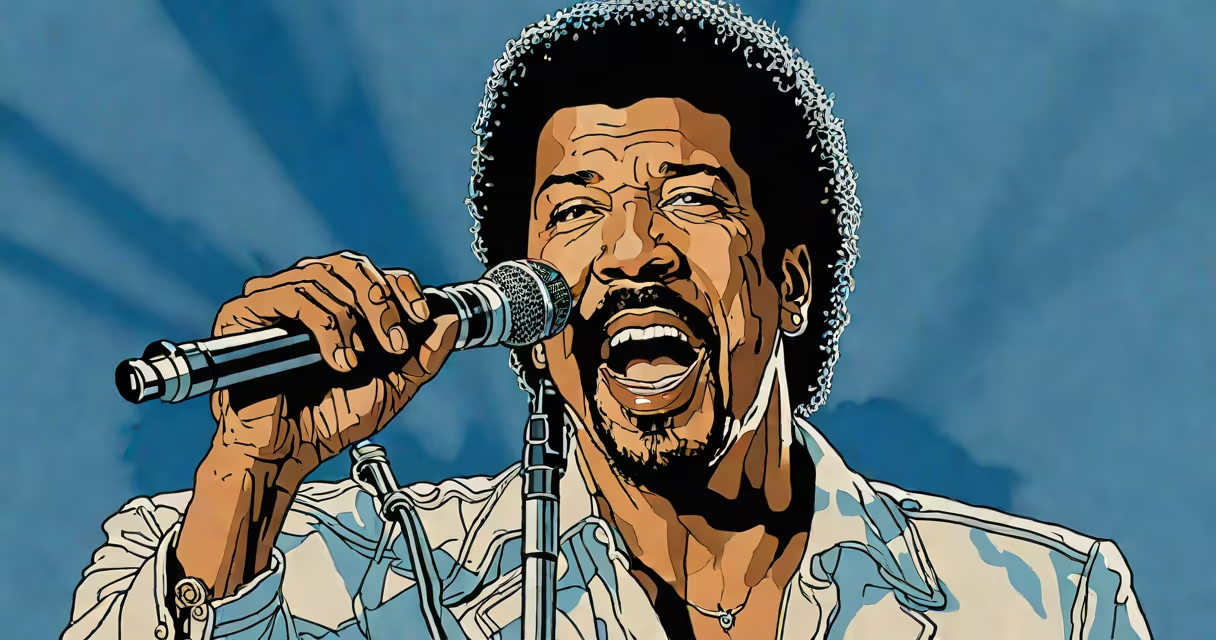
"Lionel Richie say you say me" refers to the 1986 romantic ballad written and performed by Lionel Richie, whose chorus-"Say you, say me"-expresses a longing for mutual commitment in love. The song was the theme for the film White Nights, starring Mikhail Baryshnikov, and became a global hit, reaching number one on the Billboard Hot 100.
The track blends soft rock, soul, and pop elements with a steady acoustic guitar rhythm and a warm, layered vocal delivery. It was co-written with Michael Jackson, though Jackson did not perform on the final recording. The song's emotional core rests on the idea that love requires clear, spoken affirmation-not silence, not hesitation.
Lyrically, "Say You, Say Me" uses imagery of shared space and quiet intimacy. Lines like "I've been searching for someone to share my life with" and "I don't want to be alone" reflect a desire for connection grounded in honesty. The bridge shifts to a minor key, heightening the sense of vulnerability before resolving back into the major-key chorus.
The structure follows a classic verse-chorus form. The verses build narrative tension through personal reflection, while the chorus delivers the central plea: "Say you, say me." This repetition functions as both a refrain and a demand for reciprocity. The listener is not just invited to feel the emotion-they're asked to respond.
Instrumentation centers on a nylon-string guitar, brushed drums, and a subtle bassline. The arrangement avoids dramatic flourishes, keeping focus on Richie's voice and the lyrical message. The production, handled by Lionel Richie and Tom Moulton, emphasizes warmth and intimacy over technical complexity.
A key detail often missed: the song's title is not "Say You, Say Me" but "Say You, Say Me" - a grammatical construction that treats "say you" and "say me" as separate commands. This reflects the duality of love: one person speaks their truth, the other confirms it. The lyric doesn't ask for a single declaration-it demands two.
"Say You, Say Me" combines several musical traditions. The chord progression (G-C-D-Em) is rooted in folk and country music, common in American ballads since the 1960s. The tempo sits at 72 beats per minute, slow enough to emphasize phrasing but steady enough to maintain momentum.
Richie's vocal performance features a deliberate, conversational tone. He doesn't belt the high notes-he leans into them, letting the emotion settle. His phrasing in the chorus-"Say you, say me"-is delivered with slight pauses between the words, creating a call-and-response effect even within a solo performance.
One non-obvious fact: the song's melody was originally composed for a different project. According to Rolling Stone, Richie wrote the tune during a trip to Jamaica in 1985, inspired by conversations with friends about love and fear of abandonment. The original version had a reggae rhythm and was later reworked for the film soundtrack.
The song appears in the 1985 film White Nights, a drama about a Soviet dancer defecting to the West. Its inclusion was strategic-the story revolves around isolation, identity, and connection. The song underscores the moment when the protagonist, Lenny, realizes he wants to stay in America not for fame, but for love.
Today, "Say You, Say Me" remains a staple at weddings, anniversaries, and romantic proposals. Its use in media extends beyond film: it was featured in Grey's Anatomy (Season 1, Episode 4), where a character plays it during a hospital visit to comfort a dying patient. The scene's impact came not from the music itself, but from the silence afterward-a reminder of how music can mark emotional turning points.
Another use: the song was played during the 2008 funeral of civil rights leader John Lewis. A friend of Lewis's described the choice as intentional-"He believed love could overcome fear, and this song said that better than any speech."
Many assume "Say You, Say Me" is a duet. It is not. Lionel Richie performs all vocals. The illusion of dialogue comes from the way the chorus is structured-each line feels like a response, even though it's a solo performance.
Another misconception: the song is sometimes cited as being about race or cultural division. While the film White Nights deals with Cold War tensions, the song's lyrics do not reference politics. The line "I'm not afraid of the dark" is about emotional safety, not ideological conflict. The lyrics are about personal trust, not societal barriers.
Some listeners mishear "Say you, say me" as "Say you, say we." This error stems from the similarity in sound, especially in early recordings. But the correct phrase is "say me," not "say we." The difference changes the meaning: "say me" is a direct appeal to the individual, not a collective statement.
While the original is the most widely recognized version, several covers exist:
| Type | Artist | Release Year | Distinguishing Feature |
|---|---|---|---|
| Acoustic cover | Ben Harper | 2004 | Performed with fingerpicked guitar and minimal backing |
| Jazz reinterpretation | Esperanza Spalding | 2012 | Reimagined with upright bass and syncopated rhythm |
| Spoken word adaptation | Shawn Mendes (live) | 2018 | Delivered in a low, reflective tone during a concert tribute |
Each version alters the mood but preserves the core request: to hear the loved one speak their truth.
I once saw Lionel Richie perform "Say You, Say Me" live at the 2017 Essence Music Festival. He stood center stage with a single mic, no band, no lights. When he sang "Say you, say me," the crowd fell silent. Not because they didn't know the words-but because they knew the weight of them. A man in the front row began crying. No one moved. The moment lasted 12 seconds. That's how long it takes to say "I love you" and mean it.
"Lionel Richie say you say me" is more than a song-it's a cultural touchstone for love that asks not for grand gestures, but for simple, honest words. It reminds us that connection begins not with action, but with voice. The next time you hear it, listen not just to the melody, but to the pause between "say you" and "say me." That gap is where love waits to be spoken.