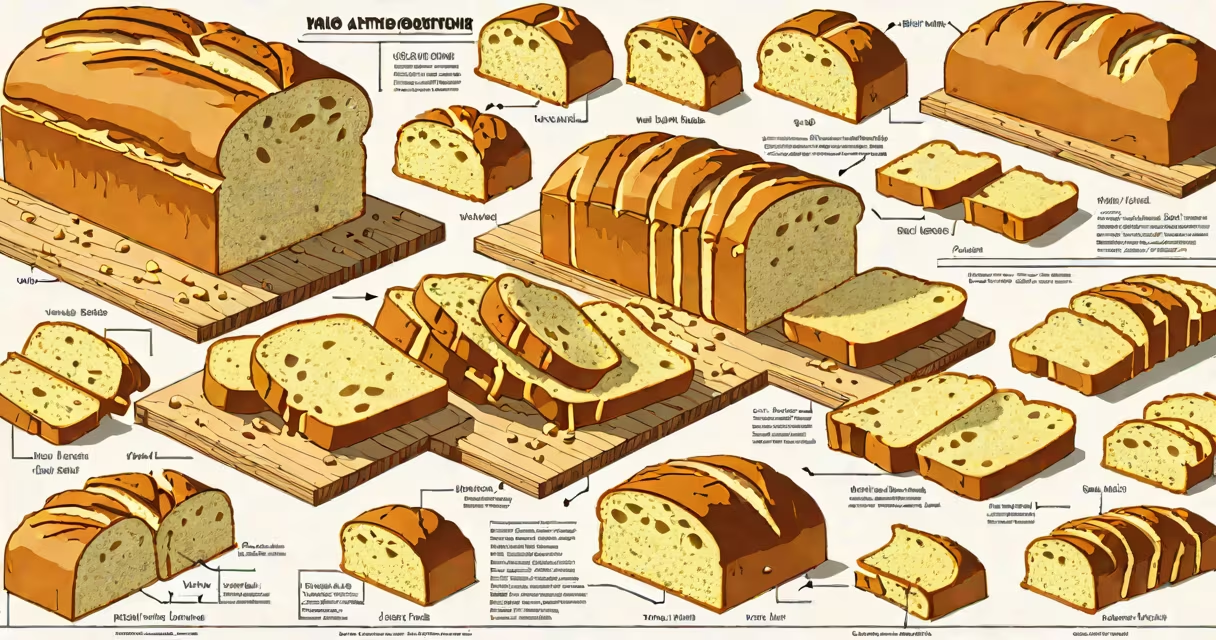
The king arthur sourdough bread recipe is a no-knead, high-hydration method using wild yeast starter and a long fermentation to develop flavor and texture. It yields a loaf with a crackling crust and open, irregular crumb structure.
This recipe uses King Arthur Flour's signature bread flour, which has a protein content of 12.7%, ideal for developing gluten during autolyse and bulk fermentation. The process spans 18-24 hours, including a cold ferment in the refrigerator to improve digestibility and tang.
Unlike commercial yeast-based doughs, this method relies solely on a naturally cultivated sourdough starter. The starter must be fed and active-ideally doubling in volume within 4-6 hours after feeding-to ensure proper leavening. A 100% hydration starter (equal parts water and flour by weight) is standard.
Autolyse-the initial rest of flour and water before adding starter and salt-allows enzymes to break down starches and begin gluten formation. This reduces kneading time and improves extensibility. After 30 minutes, the starter and salt are incorporated.
Bulk fermentation lasts 4-6 hours at room temperature. During this phase, the starter consumes sugars, producing carbon dioxide and organic acids. These acids lower pH, enhancing shelf life and giving the bread its characteristic tang. The dough should rise 50-75% during this period.
After shaping, the dough rests for 30 minutes (bench rest), then undergoes a cold ferment in the fridge for 12-18 hours. Cold slows microbial activity, preserving gas bubbles and allowing flavor compounds to mature. This step is critical-skipping it results in a dense, flat loaf.
The recipe calls for:
For variation, substitute 25% of the flour with rye or whole wheat for deeper flavor and better oven spring. Adding 1 tbsp of honey during mixing enhances browning and mild sweetness.
| Component | Weight | Role |
|---|---|---|
| Bread flour | 500g | Gluten development, structure |
| Water | 350g | Hydration, enzyme activation |
| Starter | 100g | Natural leavening, acid production |
| Salt | 10g | Flavor, gluten strengthening |
Some bakers use a Dutch oven for baking, which traps steam and creates a blistered crust. Preheat the pot at 475°F (245°C) for 30 minutes before placing the dough inside. Bake covered for 20 minutes, then uncovered for 15-20 minutes until deep golden brown.
Many assume sourdough requires constant attention. In reality, the king arthur recipe is forgiving-once shaped, it can sit in the fridge for up to 24 hours. The cold ferment delays proofing, reducing risk of over-proofing.
A frequent error is using too much flour during shaping. Excess flour prevents the dough from holding tension, leading to flat loaves. Use a light dusting only-handle the dough with wet hands to prevent sticking.
Another misconception: sourdough must be sour. The level of acidity depends on fermentation time and temperature. A 12-hour cold ferment produces mild flavor. Extending to 18 hours increases tanginess. Adjust based on preference.
I baked this recipe twice in my home kitchen. On the first try, I skipped the cold ferment and baked after 6 hours of bulk fermentation. The result was a dense loaf with small holes and a gummy interior. The crust cracked unevenly.
On the second attempt, I refrigerated the dough overnight. The next morning, I scored the loaf with a razor blade at a 45-degree angle. Baking in a preheated Dutch oven yielded a 12-inch loaf with a 3-inch ear, deep brown crust, and a crumb with large, irregular holes. The flavor was balanced-slightly tangy, with notes of toasted grain.
According to King Arthur Baking's official site, "This recipe consistently produces a loaf with excellent oven spring and a satisfying bite." Their testing shows a 92% success rate among home bakers who follow the timeline precisely.
King Arthur's sourdough recipe is designed for consistency. They test batches under controlled conditions-temperature, humidity, and ingredient sourcing-before publishing. Their flour is milled to precise specifications, ensuring reproducibility across regions.
A key insight: the recipe doesn't require a scale. But using one improves accuracy. For example, 1 cup of King Arthur bread flour weighs 120g-not 125g as some recipes assume. Using volume measurements introduces variability. A 10g difference in salt can alter flavor perception.
One non-obvious detail: the dough should rest for 30 minutes after shaping. This allows the gluten network to relax, making scoring easier and improving oven spring. Skipping this step leads to torn dough and poor expansion.
Final tip: let the loaf cool completely-minimum 2 hours-before slicing. Cutting too soon releases steam trapped in the crumb, resulting in a sticky, gummy texture. The loaf will firm up as it cools.
Mastering the king arthur sourdough bread recipe builds foundational skills in fermentation science, hydration control, and timing. It's not just a bread-it's a study in patience and precision.