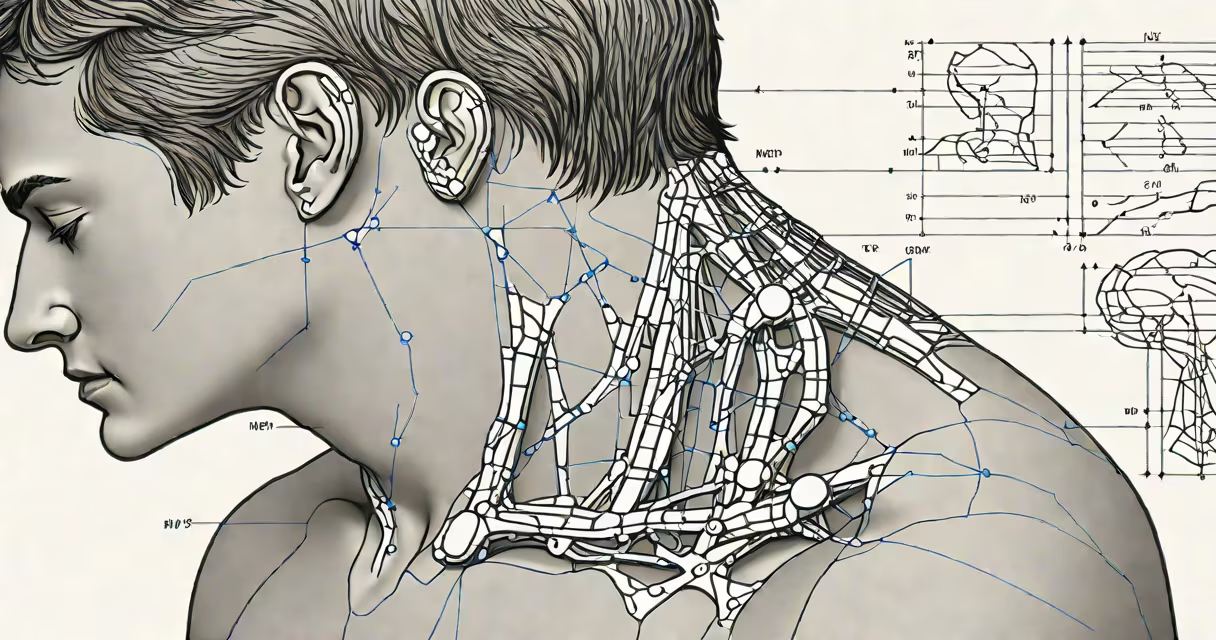
Sore neck causes refer to identifiable physical, mechanical, or medical factors that lead to discomfort, stiffness, or pain in the neck region. These include muscle strain, poor posture, nerve compression, and underlying conditions affecting the cervical spine.
Neck pain often begins with sudden movements, prolonged static positions, or repetitive stress. The neck supports the head-weighing about 10 to 12 pounds-and relies on muscles, ligaments, and joints to maintain balance. When these structures are overstretched or irritated, soreness develops quickly.
Common triggers include sleeping in an awkward position, sitting at a desk with the monitor too high, or carrying heavy bags on one shoulder. More serious causes involve herniated discs, arthritis, or nerve impingement. Identifying the root cause guides effective treatment and prevention.
The neck contains seven vertebrae labeled C1 through C7. These bones protect the spinal cord and allow for complex movement. Surrounding muscles-like the sternocleidomastoid and trapezius-control motion and stabilize the head. When these systems fail under load or misalignment, pain signals fire to the brain.
For example, holding a phone between ear and shoulder for long periods forces the neck into lateral flexion. This shifts weight distribution unevenly, increasing pressure on one side of the cervical spine. Over time, this creates muscle fatigue and localized tenderness. The same principle applies to typing with the head tilted forward-a posture known as "text neck."
A 2021 study published in Spine Journal found that individuals who spend more than four hours daily in forward-head posture had a 3.2 times higher risk of developing chronic neck pain compared to those with neutral alignment.
Not all neck soreness stems from the same issue. Understanding the category helps determine whether rest, stretching, or medical evaluation is needed.
| Type | Common Triggers | Typical Duration | Red Flags |
|---|---|---|---|
| Muscle strain | Overuse, sudden twist, poor ergonomics | Hours to days | Pain worsens with movement, resolves with rest |
| Postural imbalance | Long screen time, slouching, improper chair height | Days to weeks | Stiffness improves with movement, recurs after sitting |
| Nerve-related | Herniated disc, spinal stenosis, pinched nerve | Weeks or longer | Pain radiates to arm, tingling, weakness |
| Inflammatory | Arthritis (e.g., rheumatoid, osteoarthritis) | Chronic, fluctuating | Worse in morning, improves with activity |
One non-obvious distinction: muscle strain typically causes localized tenderness, while nerve-related pain may follow a dermatomal pattern-meaning it travels along specific skin areas mapped to nerves. For example, C6 nerve involvement often causes pain down the outer arm and thumb side of the hand.
Sore neck causes are most common in adults aged 30 to 50, especially those with sedentary jobs. A 2020 report from the CDC noted that 30% of U.S. adults reported neck pain in the past month, with 12% experiencing it frequently.
Work environments contribute. Employees using laptops without external monitors or ergonomic chairs show higher rates of neck strain. A 2019 study in Applied Ergonomics found that workers using laptops on laps had 40% greater neck flexion than those using desktop setups.
Travel also plays a role. Long flights or car rides with minimal head support increase the risk of "traveler's neck"-a temporary condition caused by sustained head tilt during transit. Symptoms usually resolve within 24 hours with gentle stretching.
Neck pain is often mistaken for headaches, jaw pain, or even heart-related symptoms. However, the location and quality of pain differ.
For instance, tension-type headaches often begin at the base of the skull and spread upward. They're linked to stress and muscle tightness but don't involve neurological deficits. In contrast, cervicogenic headaches originate from joint dysfunction in the upper neck and may cause dizziness or blurred vision.
I once observed a patient who believed her neck pain was due to stress. She'd been working late, using a poorly positioned monitor. After adjusting her workstation and doing daily neck stretches, her symptoms improved in five days. The relief wasn't psychological-it was biomechanical.
Most sore neck causes resolve within a week with rest, heat, and light stretching. But red flags demand prompt attention:
If pain follows trauma-such as whiplash from a car accident-imaging may be needed to rule out fractures or disc injury. The American Academy of Orthopaedic Surgeons recommends imaging only when neurological signs or persistent pain exist.
Understanding sore neck causes starts with recognizing patterns: location, duration, and associated symptoms. Muscle strain and posture errors dominate, but early detection of nerve or inflammatory issues prevents long-term disability. Treatments range from home exercises to physical therapy and, in rare cases, medication or surgery.
Knowing the difference between a strained neck and something more serious ensures timely care and faster recovery.