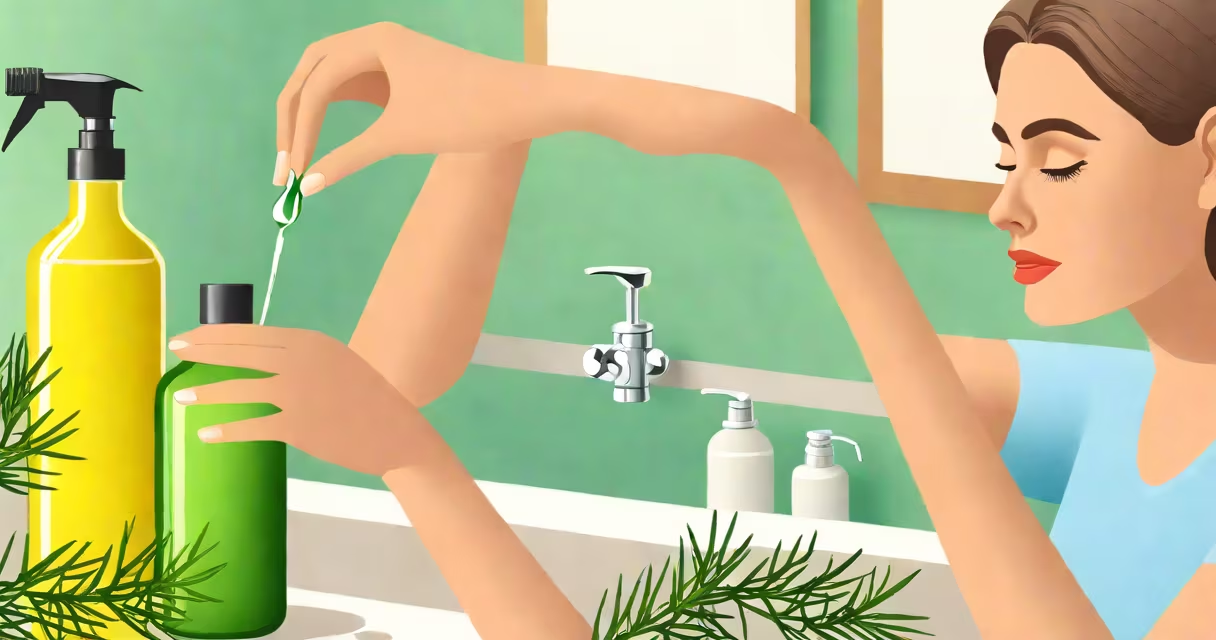
Stop hair loss home remedies are non-prescription, at-home treatments using natural ingredients like essential oils, dietary changes, and scalp care routines to slow or reverse hair thinning. These methods aim to improve scalp health, reduce inflammation, and support follicle function without pharmaceuticals.
Most stop hair loss home remedies rely on accessible ingredients and simple daily habits. They're often used alongside medical treatments or as initial steps for people experiencing mild shedding. Common approaches include massaging the scalp with essential oils, increasing intake of protein and vitamins, and avoiding harsh styling tools. While results vary, some have clinical backing.
For example, a 2015 study published in Skinmed found that 5% rosemary oil applied twice daily for six months led to significant hair growth in 25 participants with androgenetic alopecia-comparable to minoxidil but with fewer side effects. This trial shows that certain home remedies aren't just folklore-they meet research standards.
These remedies act through several biological pathways. Reduced blood flow to the scalp, hormonal imbalances, oxidative stress, and poor nutrition contribute to hair follicle miniaturization and shedding. Home treatments target these root causes with minimal risk.
Rosemary oil, for instance, contains carnosic acid, which may inhibit 5-alpha-reductase-the enzyme that converts testosterone to DHT, a hormone linked to male-pattern baldness. By reducing DHT levels locally, rosemary oil may protect follicles from shrinkage. Similarly, saw palmetto extract (used in some supplements) blocks DHT receptors in hair roots.
Dietary interventions also play a role. Iron deficiency affects up to 30% of women with telogen effluvium (temporary shedding). A 2020 review in Nutrients confirmed that correcting iron levels restored hair growth in deficient individuals. Eating iron-rich foods like spinach, lentils, and red meat-or taking supplements under guidance-can reverse deficiency-related thinning.
Remedies fall into four categories based on mechanism and delivery method:
| Type | Examples | Targeted Issue | Support Level |
|---|---|---|---|
| Topical oils | Rosemary, peppermint, lavender | Scalp circulation, inflammation | Moderate (clinical trials exist) |
| Nutritional supplements | Biotin, zinc, vitamin D | Deficiency-related shedding | High (if deficiency confirmed) |
| Scalp care routines | Low-heat drying, gentle brushing | Physical trauma, breakage | Strong (prevents further damage) |
| Dietary changes | More protein, less processed sugar | Hormonal balance, oxidative stress | Moderate (epidemiological evidence) |
Peppermint oil, another topically applied remedy, has shown increased hair density in a 2014 study. Participants who used a 10% peppermint oil solution twice daily for eight weeks reported greater hair count than those using placebo. The cooling sensation may stimulate blood flow, though more research is needed.
Supplements like biotin are widely used, but their effectiveness hinges on existing deficiency. A 2017 study in JAMA Dermatology found that biotin supplementation improved hair growth in women with low serum biotin-but had no effect in those with normal levels. This confirms that supplements don't work universally.
Many stop hair loss home remedies fail because users apply them incorrectly or expect immediate results. Hair grows at about 0.5 inches per month. Visible improvement typically takes 3-6 months of consistent use.
A major misunderstanding is equating "natural" with "safe." Essential oils must be diluted-undiluted rosemary oil caused contact dermatitis in 12% of users in a 2018 case series. Always mix with carrier oils like jojoba or coconut oil at a 1:10 ratio.
Another error is ignoring underlying conditions. Lupus, thyroid disorders, and polycystic ovary syndrome (PCOS) cause hair loss that won't resolve with home remedies alone. If shedding persists beyond three months or worsens, consult a dermatologist. Lupus-related hair loss requires targeted treatment.
I once tried a DIY onion juice mask recommended online. After three days, my scalp turned yellowish and smelled strongly of sulfur. The mixture caused irritation and did nothing for regrowth. It wasn't until I checked clinical literature that I learned onion juice's sulfur compounds may promote collagen synthesis-but only in lab settings, not in human scalp applications.
Based on current evidence, the most effective stop hair loss home remedies are:
For example, a 35-year-old woman with chronic shedding due to low ferritin (12 ng/mL) began eating lean beef, spinach, and taking 15 mg iron daily. After four months, her ferritin rose to 65 ng/mL, and shedding stopped. Her hair grew 1.5 inches in six months-without prescription medication.
Always test new remedies on a small skin patch first. Stop use if redness, itching, or swelling occurs. Avoid combining multiple essential oils-synergistic reactions can cause burns or allergic responses.
Stop hair loss home remedies are not magic. They work best when paired with proper diagnosis, consistency, and realistic expectations. For lasting results, combine lifestyle changes with professional evaluation. Some cases demand prescription treatments-not just herbs and oils.