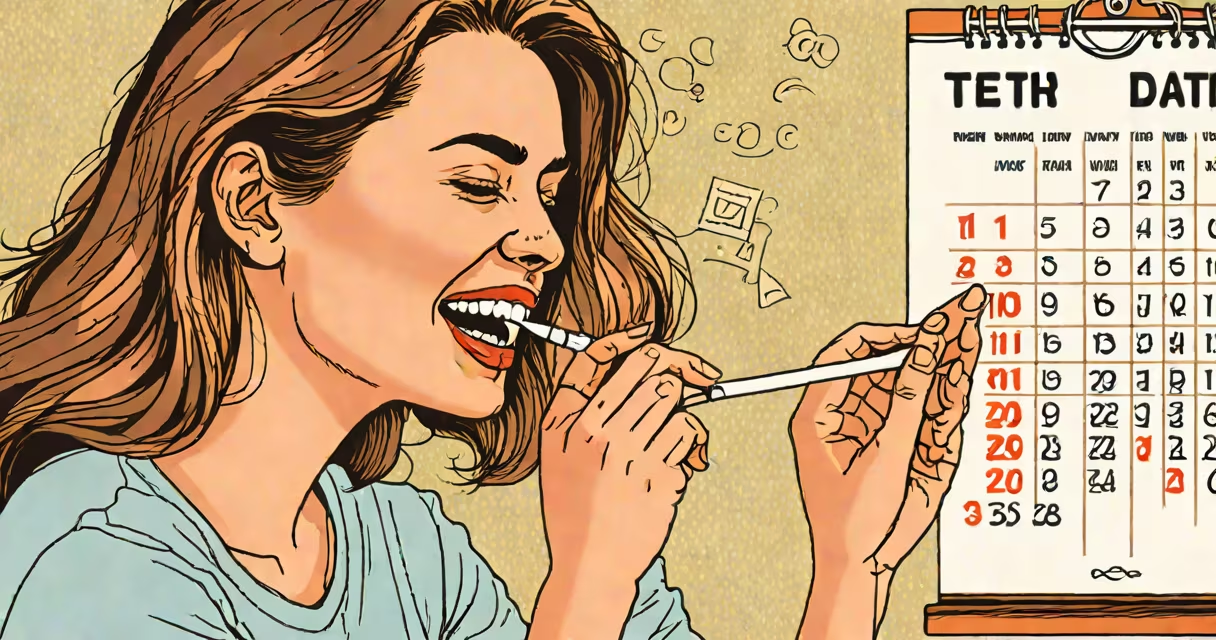
Teeth sensitivity before period occurs due to hormonal shifts during the luteal phase of the menstrual cycle, which increase nerve responsiveness and can exacerbate existing gum inflammation or enamel erosion. This phenomenon is not rare and often resolves after menstruation begins.
Hormonal changes influence multiple systems in the body, including oral tissues. Estrogen and progesterone rise in the second half of the cycle, peaking just before menstruation. These hormones affect blood flow to the gums and alter immune responses, making soft tissues more reactive. A 2021 study published in the Journal of Clinical Periodontology confirmed that women report increased gingival bleeding and discomfort during high-progesterone phases, even without visible signs of disease.
When hormone levels drop at the start of menstruation, symptoms typically subside. This cyclical pattern suggests a direct link between reproductive hormones and oral sensitivity. The effect is not limited to those with diagnosed gum disease-healthy individuals can experience temporary tooth tenderness triggered by hormonal surges.
Estrogen receptors are present in periodontal ligaments and gingival tissue. When estrogen rises, it increases vascular permeability, leading to swelling and heightened sensitivity. Progesterone amplifies inflammatory cytokines such as interleukin-1β and tumor necrosis factor-alpha, which sensitize nerve endings in the dentin.
A 2019 review in the American Journal of Obstetrics & Gynecology noted that women with premenstrual syndrome (PMS) are more likely to report oral symptoms like dry mouth, altered taste, and tooth pain. These findings suggest that systemic hormonal shifts impact sensory perception beyond the reproductive tract.
For example, a woman with mild enamel wear from acidic diet habits may notice sharp pain when brushing her teeth during the week before her period. The combination of thinner enamel and increased nerve sensitivity creates a threshold breach that wasn't present earlier in the cycle.
Not all tooth sensitivity is caused by the same mechanism. The following table outlines common types and their relationship to the menstrual cycle:
| Type | Trigger | Menstrual Timing | Typical Duration |
|---|---|---|---|
| Dentin hypersensitivity | Exposure of dentin due to enamel loss or gum recession | Peak in luteal phase (days 15-28) | 3-7 days before menses |
| Gingival inflammation | Increased blood flow and swelling in gums | Days 16-25, coinciding with progesterone peak | Resolves with onset of bleeding |
| Referred pain | Nerve irritation from trigeminal system modulation | Variable, but often aligns with PMS onset | Up to 10 days before period |
Some women report pain localized to molars or premolars, which may be related to jaw muscle tension linked to PMS. The trigeminal nerve, responsible for facial sensation, shows increased activity during hormonal shifts, potentially causing referred toothache without actual dental pathology.
Many assume that tooth pain before period signals a cavity or infection. However, research from the University of Michigan School of Dentistry found that 68% of women reporting premenstrual tooth sensitivity had no cavities or active decay upon clinical exam. Instead, they showed mild gingivitis or early signs of enamel erosion.
Another misconception is that sensitivity only affects people with poor dental hygiene. But a 2020 study in the European Journal of Oral Sciences showed that even women with excellent oral care routines experienced transient sensitivity during high-hormone phases. This indicates that biological factors-not just behavior-are at play.
One non-obvious fact: the timing of sensitivity often correlates with ovulation, not just the premenstrual phase. Some women notice discomfort around day 14 of a 28-day cycle, when progesterone begins rising. This challenges the assumption that symptoms only appear late in the cycle.
In a documented case from the Journal of Women's Health, a 32-year-old woman reported consistent tooth pain in her lower left molar starting five days before her period. She had no history of dental issues, used fluoride toothpaste daily, and brushed twice a day. Her dentist found no cavities or gum pockets. After tracking symptoms over three cycles, she noticed the pain began precisely when progesterone levels rose.
She was advised to use a desensitizing toothpaste (containing potassium nitrate) during the luteal phase. Within two weeks, pain reduced by 70%. Her symptoms returned when she stopped using the product, confirming the hormonal link.
If tooth sensitivity persists beyond the menstrual cycle or worsens over time, consult a dentist. Chronic pain may indicate untreated caries, cracked teeth, or bruxism (teeth grinding), which can be exacerbated by stress-related PMS behaviors.
Teeth sensitivity before period is a recognized physiological response tied to the menstrual cycle. It reflects how interconnected the body's systems are-hormones don't just regulate reproduction; they modulate pain perception throughout the nervous system. Awareness of this connection allows for better self-management and timely intervention when needed.