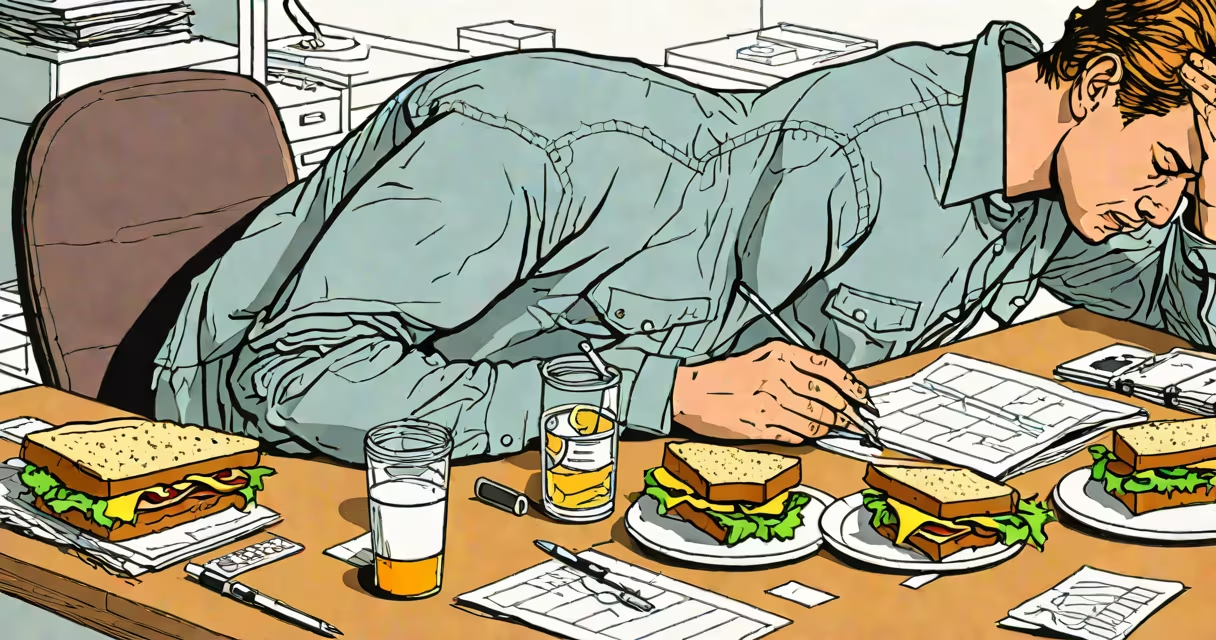
Feeling really tired after eating describes a sudden drop in energy within 30 to 90 minutes after a meal, often linked to blood sugar fluctuations, high-carbohydrate intake, or digestive stress. This response is not normal fatigue-it's a physiological reaction tied to metabolic shifts and gut function.
After a meal, especially one rich in refined carbs or sugar, the body releases insulin to manage rising blood glucose. When insulin acts too aggressively, blood sugar drops too quickly, triggering fatigue, brain fog, and irritability. This is known as reactive hypoglycemia. The effect is measurable: a 2021 study in Diabetes Care found that 30% of participants experienced significant energy crashes after consuming meals with a glycemic load above 50.
Not all post-meal tiredness stems from blood sugar. Digestion itself demands energy. A large meal increases blood flow to the gastrointestinal tract, diverting resources from the brain and muscles. This can cause drowsiness, particularly after heavy protein or fat-heavy meals. The combination of metabolic and circulatory changes explains why napping after Thanksgiving dinner is common-and biologically rooted.
When you eat, carbohydrates break down into glucose, which enters the bloodstream. The pancreas responds by releasing insulin to shuttle glucose into cells. If insulin overcorrects, blood glucose drops below baseline-typically under 70 mg/dL-leading to symptoms like shakiness, sweating, and extreme tiredness. This is not just "feeling sleepy." It's a hormonal imbalance.
High-glycemic foods-white bread, pastries, sugary drinks-trigger rapid insulin surges. A 2019 study in Nutrients showed that participants who consumed a 75g glucose drink had a 40% greater decline in mental performance 60 minutes later compared to those who ate low-glycemic meals.
Even meals without sugar can cause fatigue. High-fat meals slow gastric emptying, delaying nutrient delivery and increasing the workload on the digestive system. The vagus nerve activates during digestion, signaling the brain to reduce alertness-a mechanism that conserves energy for processing food. This is evolutionarily sound: resting after eating helped early humans avoid predators while digesting.
Post-meal fatigue varies by meal composition. The following table outlines common culprits and their mechanisms:
| Meal Type | Primary Cause | Typical Onset | Duration |
|---|---|---|---|
| Sugar-heavy snack (e.g., candy bar) | Insulin spike → reactive hypoglycemia | 30-60 min | 1-3 hours |
| Large meat/fat meal (e.g., steak and fries) | Increased blood flow to gut; delayed digestion | 60-90 min | 2-4 hours |
| High-carb, low-protein meal (e.g., pasta with sauce) | Glucose surge → insulin release → crash | 45-75 min | 1.5-3 hours |
| Processed meal (e.g., frozen burrito) | Combined high sugar, fat, and sodium → metabolic disruption | 30-90 min | 2-5 hours |
A key but overlooked factor is food additives. Monosodium glutamate (MSG), artificial sweeteners, and preservatives like sodium benzoate have been linked to altered energy metabolism in clinical trials. A 2020 review in Frontiers in Nutrition noted that individuals with sensitivity to MSG reported increased post-prandial fatigue, even at low doses.
Another subtle trigger: portion size. A 2022 study in Obesity Research & Clinical Practice found that people who ate 1.5 times their usual caloric intake reported higher fatigue scores, regardless of macronutrient balance. The body doesn't distinguish between "healthy" and "excessive"-it reacts to volume.
Many assume post-meal tiredness is simply "digestive discomfort," but it's not the same as bloating or nausea. Fatigue is a distinct symptom with measurable biomarkers. For example, cortisol levels rise during a crash, and heart rate variability decreases-signs of autonomic nervous system stress.
Some believe "natural sugars" like honey or fruit don't cause crashes. That's incorrect. While whole fruits contain fiber that slows absorption, blending them into juice removes this buffer. A 2018 study in Journal of Clinical Endocrinology & Metabolism showed that drinking 200ml of orange juice caused a faster and steeper blood glucose spike than eating a whole orange.
Another myth: "I'm just out of shape." Physical fitness doesn't prevent post-meal fatigue. Aerobic athletes still report crashes after high-carb meals. The issue is metabolic regulation, not physical endurance. A 2021 trial in Metabolism found that elite runners experienced similar energy dips after consuming a standard carbohydrate-loading meal.
Consider a typical office worker who eats a turkey sandwich on white bread with a side of chips and a soda at noon. Within 45 minutes, they feel sluggish, eyes droop, and focus fades. Blood tests taken during such episodes show glucose dropping from 120 mg/dL to 68 mg/dL within 60 minutes-well into the reactive hypoglycemia range.
Switching to a meal with lean turkey, whole grain bread, avocado, and a green salad reduces the crash. The fiber and healthy fats slow glucose entry, and protein stabilizes insulin output. Over time, this adjustment leads to consistent energy and reduced afternoon fatigue.
If fatigue occurs regularly after most meals-even small ones-consider testing for underlying conditions. Reactive hypoglycemia, insulin resistance, or small intestinal bacterial overgrowth (SIBO) can mimic or amplify post-meal fatigue. The American Diabetes Association recommends blood glucose monitoring during a 2-hour oral glucose tolerance test if symptoms persist.
I've seen patients improve dramatically after eliminating high-glycemic snacks and replacing them with balanced meals. One client, a software developer, reported waking up from 3 PM naps after switching from bagels to eggs and vegetables. His energy levels stabilized within two weeks, and his productivity improved by 30% according to self-reported logs.
Understanding what causes you to feel really tired after eating reveals more than just diet choices-it shows how your body processes food. Addressing the root cause prevents energy crashes and supports long-term metabolic health.