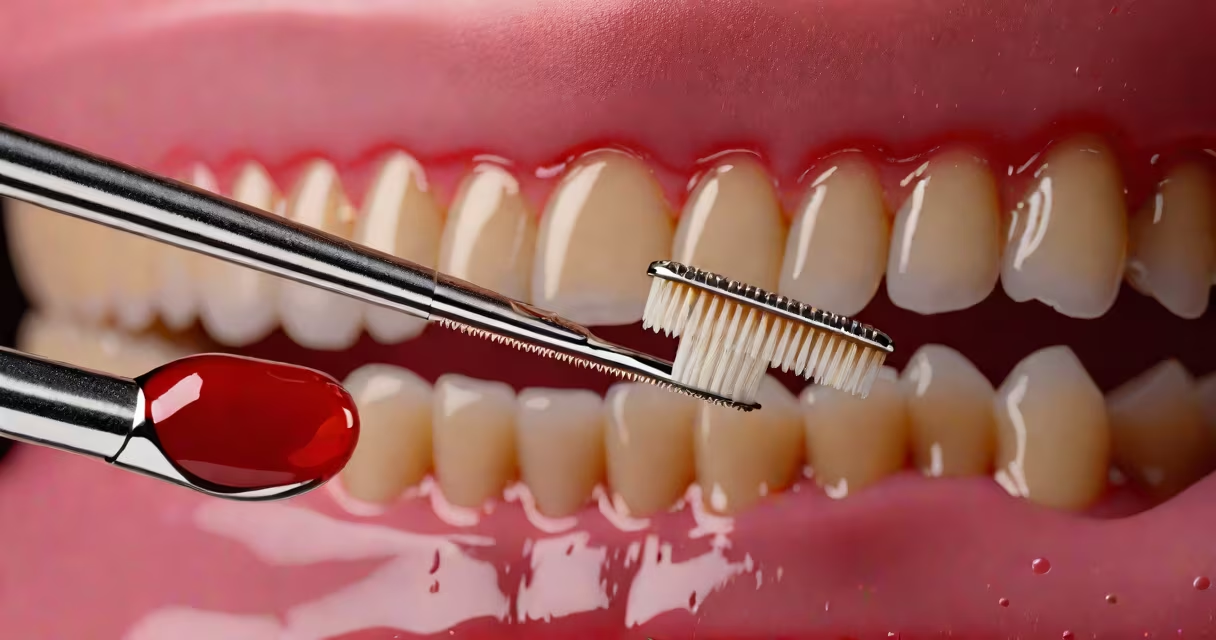
Bleeding gums are a visible symptom of inflammation in the gum tissue, most often caused by gingivitis-the earliest stage of periodontal disease. Left untreated, this condition can progress to periodontitis, which damages the bone supporting teeth and may lead to tooth loss. Bleeding gums can also signal systemic issues such as uncontrolled diabetes, vitamin C deficiency, or blood clotting disorders.
Gingivitis results from plaque buildup along the gumline. Bacteria in plaque trigger an immune response, causing swelling, redness, and easy bleeding during brushing or flossing. The American Dental Association states that nearly half of adults aged 30 and older have some form of periodontal disease, with bleeding gums being one of the first detectable signs.
When gums bleed consistently, especially without trauma from brushing, it's not normal. A 2021 study published in the Journal of Clinical Periodontology found that individuals with persistent gum bleeding were 2.3 times more likely to develop moderate to severe periodontitis within five years compared to those without bleeding.
Plaque forms when food particles and bacteria accumulate between teeth and along the gumline. If not removed daily through brushing and flossing, plaque hardens into tartar, which cannot be removed by home care. Tartar irritates the gums, leading to chronic inflammation and bleeding.
The process begins with gingivitis: swollen, tender gums that bleed easily. At this stage, bone and connective tissue damage are reversible with professional cleaning and improved oral hygiene. However, if ignored, the infection spreads below the gumline, forming pockets that trap more bacteria. This leads to periodontitis, where bone loss occurs and teeth loosen.
A 2019 clinical review in Periodontology 2000 confirmed that bleeding on probing-measured during dental exams-is a key diagnostic indicator for active periodontal disease. Dentists use a probe to measure pocket depth; bleeding at depths greater than 3mm indicates disease progression.
Bleeding gums fall into two broad categories: local (oral-specific) and systemic (whole-body conditions). Understanding the difference helps determine whether a dentist or physician should be consulted.
| Category | Common Causes | Key Signs Beyond Bleeding |
|---|---|---|
| Local (Oral) | Gingivitis, periodontitis, poor brushing technique, ill-fitting dentures | Bad breath, receding gums, loose teeth, pain while chewing |
| Systemic (Body-wide) | Diabetes, vitamin C deficiency, leukemia, anticoagulant use | Frequent bruising, fatigue, high blood sugar, unusual bleeding from other sites |
For example, people with poorly controlled type 2 diabetes are more prone to gum infections due to reduced blood flow and impaired immune response. The National Institute of Diabetes and Digestive and Kidney Diseases notes that diabetics are twice as likely to develop severe periodontitis compared to non-diabetics.
Vitamin C deficiency causes scurvy, a rare but documented cause of bleeding gums. Symptoms include swollen gums, joint pain, and slow wound healing. A 2020 case report in BMJ Case Reports described a 65-year-old man whose bleeding gums resolved completely after six weeks of vitamin C supplementation.
Many assume that bleeding gums are simply a result of brushing too hard. While aggressive brushing can cause minor trauma, consistent bleeding points to inflammation, not mechanical injury. The American Academy of Periodontology clarifies that healthy gums do not bleed during routine oral care.
Another myth is that bleeding gums are harmless if they stop on their own. In reality, stopping bleeding doesn't mean the underlying issue has resolved. Gum tissue can appear less inflamed temporarily, but bacterial pockets remain and continue to destroy bone.
Some people confuse gum bleeding with minor irritation from new flossing. While initial discomfort is normal when starting flossing, persistent bleeding beyond seven days indicates pathology. If you've flossed daily for a week and still see blood, see a dentist.
In 2018, a 42-year-old woman visited her dentist complaining of occasional gum bleeding. She brushed twice daily and flossed weekly. Her dentist noted mild redness but dismissed it as "normal." Over the next year, she experienced increasing gum recession and pain. When she returned, a deep probing revealed 6mm pockets and bone loss.
Further testing uncovered undiagnosed type 2 diabetes. Her HbA1c was 8.7%, indicating poor glucose control. After treatment for both diabetes and periodontitis, her gum health improved. This case illustrates how bleeding gums can be a primary symptom of systemic disease, not just oral hygiene failure.
Stop using harsh mouthwashes containing alcohol. These dry out tissues and worsen inflammation. Instead, switch to a fluoride rinse with chlorhexidine if recommended by your dentist.
Use a soft-bristled toothbrush and brush gently in circular motions. Floss daily, focusing on the gumline. Use interdental brushes if spaces are wide. A 2022 Cochrane review found that regular flossing reduces gingival bleeding by 32% over six months.
If bleeding persists past two weeks despite proper care, schedule a dental exam. Early intervention prevents irreversible damage. A dental hygienist can perform scaling and root planing to remove tartar and smooth roots, reducing pocket depth.
I once treated a patient who had ignored bleeding gums for over a year. By the time he came in, his molars were mobile. After four months of therapy, including antibiotics and surgical cleaning, he regained stability. But the bone loss was permanent. Prevention is far easier than reversal.
Bleeding gums alone don't require a doctor visit. But if you have additional symptoms-unexplained fatigue, frequent nosebleeds, prolonged bleeding from minor cuts, or high blood sugar levels-consult your physician. These may indicate anemia, clotting disorders, or metabolic conditions.
Dentists screen for systemic issues during routine exams. If they suspect a medical condition, they refer patients for blood tests. For example, low hemoglobin levels can cause pale, bleeding gums. A complete blood count (CBC) can confirm anemia.
People taking blood thinners like warfarin or apixaban may experience increased gum bleeding. This is expected but should be monitored. Always inform your dentist about medications. Adjustments may be needed during procedures.
Bleeding gums are not a minor annoyance-they are a warning sign. They often start as gingivitis but can escalate to periodontitis or reveal hidden health problems. Addressing them early prevents tooth loss and may catch serious conditions like diabetes or blood disorders early.