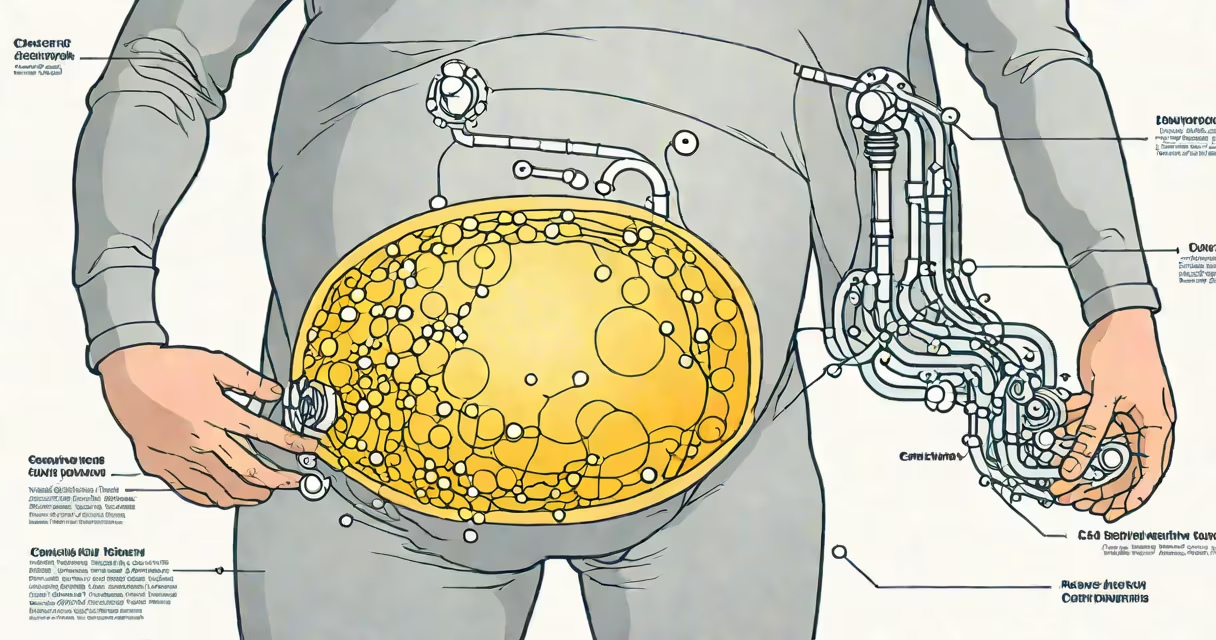
Constant farting, or frequent flatulence, typically signals excess gas production in the digestive tract due to diet, gut bacteria imbalance, or underlying gastrointestinal conditions. It's a normal bodily function when occasional, but persistent episodes may reflect dietary habits, food intolerances, or medical issues.
Flatulence results from swallowed air and gas produced during digestion. The average person passes gas 10 to 20 times daily. When frequency exceeds this range consistently, it becomes noticeable and potentially disruptive. The odor stems from sulfur-containing compounds like hydrogen sulfide, produced by gut microbes breaking down proteins and certain carbohydrates.
While often dismissed as embarrassing, constant farting can be a sign of nutritional imbalance, microbial overgrowth, or a symptom of a diagnosed condition. Identifying triggers through tracking intake and symptoms improves management. It's not always a problem-but persistent cases warrant attention.
Gas forms in two primary ways: swallowing air during eating or drinking, and bacterial fermentation in the large intestine. Swallowed air contributes about 20% of intestinal gas; the rest arises from undigested food reaching the colon. Gut bacteria metabolize fermentable fibers, producing gases like methane, carbon dioxide, and hydrogen.
When the small intestine fails to absorb certain carbohydrates-such as lactose, fructose, or oligosaccharides-these pass into the colon. There, bacteria rapidly ferment them, generating large volumes of gas. This process explains why high-fiber foods like beans, cruciferous vegetables, and whole grains often cause bloating and increased flatulence.
A 2021 study published in Gut found that individuals with irritable bowel syndrome (IBS) produce higher levels of hydrogen and methane in breath tests compared to healthy controls, indicating altered microbial activity and gas production. This supports the link between chronic flatulence and gut microbiome dysfunction.
Diet is the most frequent driver of excessive flatulence. Foods high in fermentable oligosaccharides, disaccharides, monosaccharides, and polyols (FODMAPs) are especially problematic. Examples include onions, garlic, wheat, dairy products, apples, and artificial sweeteners like sorbitol and xylitol.
Food intolerances also play a key role. Lactose intolerance affects approximately 68% of the global population, according to the National Institutes of Health (NIH). Undigested lactose ferments in the colon, leading to gas, bloating, and diarrhea. Similarly, fructose malabsorption occurs in about 15% of people, causing similar symptoms.
Other contributors include rapid eating, chewing gum, carbonated beverages, and smoking-all of which increase swallowed air. Certain medications, such as antibiotics that disrupt gut flora, can also trigger temporary increases in flatulence. Chronic constipation may lead to gas buildup and more frequent passage.
| Category | Examples | Impact Level |
|---|---|---|
| FODMAP-rich foods | Onions, garlic, beans, lentils, wheat | High |
| Lactose-containing products | Milk, cheese, ice cream | High (in intolerant individuals) |
| Artificial sweeteners | Sorbitol, xylitol, erythritol | Medium to high |
| Carbonated drinks | Soda, sparkling water | Low to medium |
| Chewing gum | Any brand with sugar alcohols | Low |
Non-dietary causes include small intestinal bacterial overgrowth (SIBO), where bacteria colonize the small intestine and ferment food before it reaches the colon. SIBO is linked to chronic flatulence, bloating, and nutrient malabsorption. A 2020 review in Frontiers in Microbiology reported that up to 78% of IBS patients tested positive for SIBO using lactulose breath testing.
Constant farting becomes concerning when paired with other symptoms. Persistent abdominal pain, unexplained weight loss, blood in stool, or changes in bowel habits suggest a need for medical evaluation. These signs may indicate inflammatory bowel disease (IBD), celiac disease, or even colorectal cancer.
One overlooked issue is delayed gastric emptying, or gastroparesis, which slows digestion and allows more time for bacterial fermentation. This condition affects about 1 in 100 people with diabetes, according to the American Diabetes Association. Symptoms include early satiety, nausea, and excessive belching or flatulence.
A personal observation: After switching to a plant-based diet rich in legumes and whole grains, I experienced a sharp rise in flatulence within five days. Tracking food logs revealed that chickpeas and broccoli were the primary culprits. Reducing portions and soaking legumes before cooking reduced output by 60% within a week-a practical example of dietary modulation.
People often mistake constant farting for heartburn or acid reflux. While both involve upper GI discomfort, they differ in mechanism. Reflux involves stomach acid moving upward, causing a burning sensation behind the breastbone. Flatulence originates lower, in the intestines, and presents as bloating and passing gas.
Another mix-up is confusing flatulence with urinary incontinence. The two are unrelated-farts come from the gastrointestinal tract, while bladder leaks stem from pelvic floor weakness or neurological issues. Mislabeling symptoms delays proper diagnosis.
Finally, some assume all gas is bad. But not all flatulence is problematic. The body naturally produces gas. The issue lies in volume, frequency, and associated discomfort-not gas itself. Normal flatulence is odorless or mildly scented; foul-smelling gas suggests protein fermentation, often from high-protein diets or poor digestion.
If constant farting persists despite dietary adjustments, consult a gastroenterologist. Breath tests can detect SIBO or carbohydrate malabsorption. Stool analysis may identify infections or inflammation markers.
For mild cases, try an elimination diet focused on low-FODMAP foods. The Monash University Low FODMAP Diet app provides evidence-based guidance. Start by removing high-FODMAP items for two weeks, then reintroduce one at a time to identify triggers.
Probiotics may help rebalance gut flora. A 2019 meta-analysis in Alimentary Pharmacology & Therapeutics showed that certain strains-like *Lactobacillus rhamnosus* GG and *Bifidobacterium longum*-reduce flatulence and bloating in IBS patients. However, effects vary by individual.
Simple lifestyle changes reduce gas too: eat slowly, avoid straws, limit gum use, and stay hydrated. Regular movement aids intestinal motility and reduces gas retention.