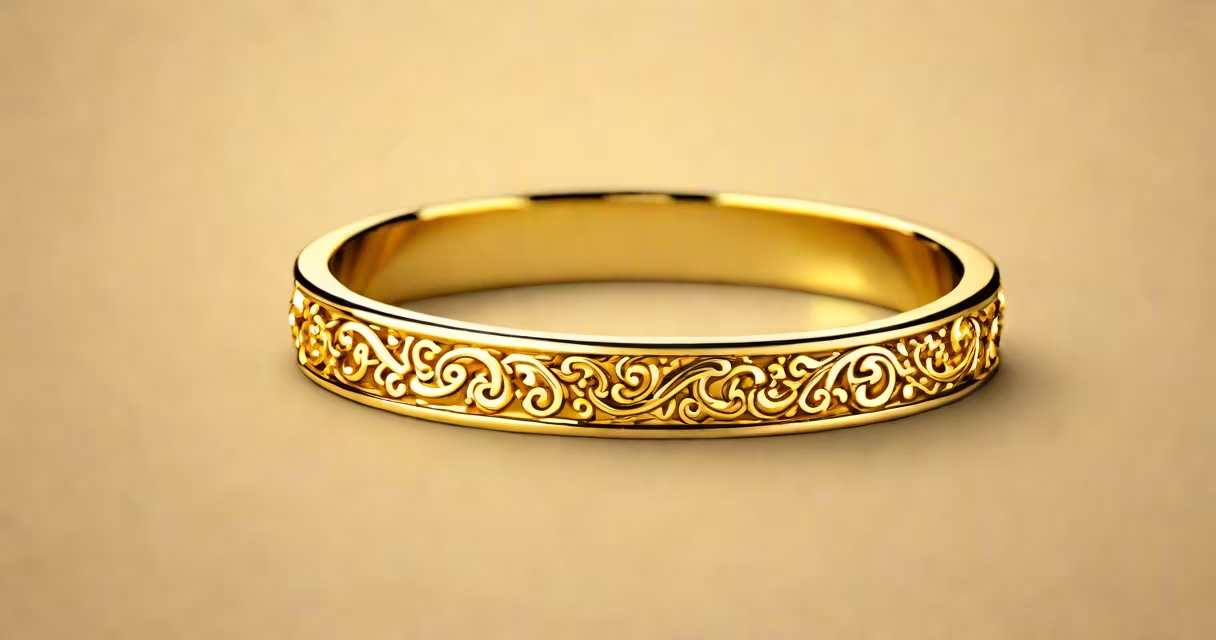
Karat measures the proportion of pure gold in an alloy, with 24-karat representing 100% pure gold. The term originates from the carob seed, historically used as a weight standard in ancient trade.
When a metal is labeled 18-karat, it contains 18 parts gold and 6 parts other metals, making it 75% gold by weight. This system allows consumers to quickly assess the gold content in jewelry, coins, and decorative items. The higher the karat number, the greater the proportion of pure gold.
The word "karat" is often confused with "carat," which measures gemstone weight. A 1-carat diamond weighs 200 milligrams. Misusing the terms leads to errors in pricing and material evaluation. For example, a 14-karat gold ring is not 14 carats in weight-it's 58.3% gold.
Karat values are based on a 24-part scale. Each part represents 1/24th of the total composition. So, 10-karat gold equals 10/24, or approximately 41.7% pure gold. This calculation applies universally across countries using the metric system and international standards.
Jewelers use alloys-typically silver, copper, or nickel-to increase hardness and durability. Pure gold is too soft for everyday wear. Adding other metals raises the durability while reducing the gold content. An 18-karat piece is harder than a 24-karat one but still retains rich color and high value.
For example, a 14-karat wedding band contains 58.3% gold. The remaining 41.7% consists of metals like zinc and palladium. These alloys affect the ring's color-14-karat yellow gold appears slightly paler than 18-karat due to higher alloy content.
| Karat | Pure Gold (%) | Common Uses |
|---|---|---|
| 24-karat | 100% | Investment bars, ceremonial items |
| 22-karat | 91.7% | Traditional Indian jewelry, some coins |
| 18-karat | 75% | High-end watches, engagement rings |
| 14-karat | 58.3% | Everyday jewelry, fashion accessories |
| 10-karat | 41.7% | Cost-effective pieces, some antique items |
Gold purity affects both appearance and price. Higher karat values mean richer color and greater intrinsic value. A 24-karat gold bar sells at a premium because it contains no diluting metals. However, it's unsuitable for most wearable items due to extreme softness.
Regulations require hallmarking in many countries. In the U.S., the Federal Trade Commission mandates that any item labeled "14-karat" must contain at least 58.3% gold. The UK uses the "sign" system, where a "916" stamp indicates 22-karat gold (91.6% pure).
I once tested a vintage bracelet marked "18K" at a local appraisal shop. The jeweler used a nitric acid test and confirmed 74.9% gold content-within acceptable tolerance. The piece was valued at $420, nearly double what a 10-karat equivalent would fetch.
"Karat" and "carat" are not interchangeable. Carat measures mass in gems, while karat measures gold purity. A 1-carat diamond weighs 200 mg. A 14-karat gold necklace may weigh 10 grams but contains only 5.83 grams of actual gold.
Some people assume that higher karat always means better quality. That's false. 24-karat gold is beautiful but impractical for daily wear. Rings made from 24-karat gold dent easily. Most fine jewelry uses 18-karat or 14-karat for balance between beauty and resilience.
A lesser-known fact: the term "karat" originated from the carob seed. Ancient traders used these seeds as counterweights because they were consistent in size and weight. The Greek word "keration" and Arabic "qirat" both derive from this practice. The modern system evolved from this tradition.
Understanding "karat" requires distinguishing it from similar terms. "Karat" refers only to gold content. "Purity" describes the same concept but is less specific. "Fineness" is another term used in metallurgy-18-karat gold has a fineness of 750 (750 parts per 1,000).
When shopping, look for official hallmarks. In Europe, the "Poinçon de Paris" certifies gold purity. In India, the BIS sign ensures compliance with national standards. These marks prevent fraud and help buyers verify authenticity.
Knowing what karat means ensures accurate assessment of gold items. Whether buying a ring or evaluating investment potential, understanding the 24-part scale prevents misjudgment and supports informed decisions.