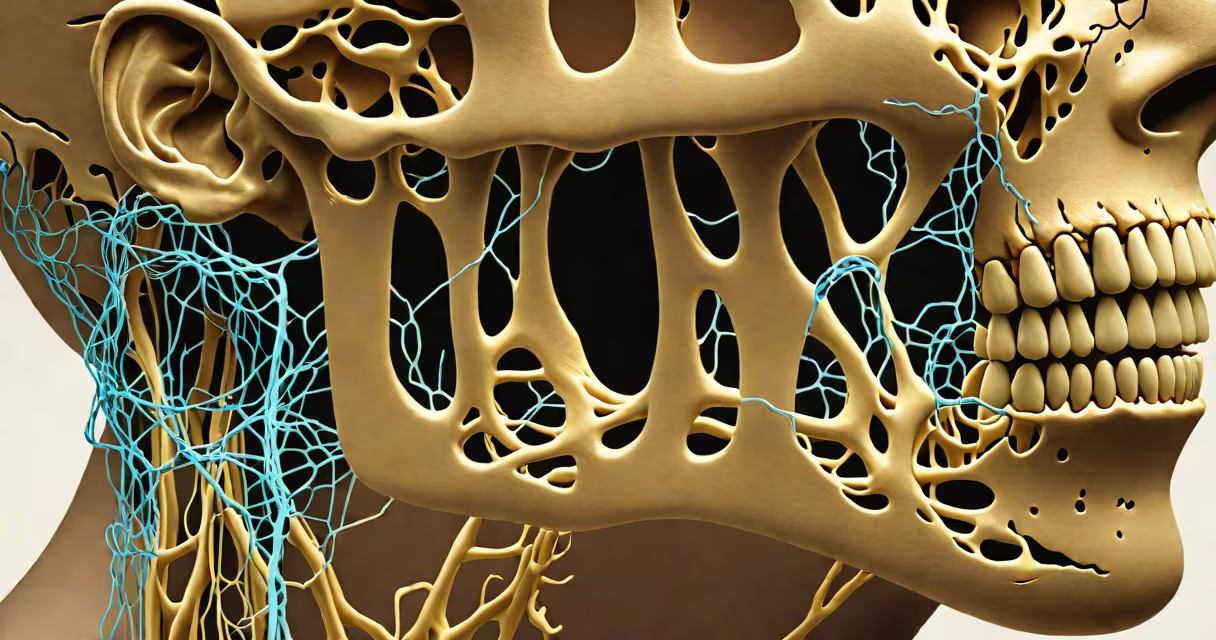
Lockjaw, medically known as trismus, is a condition marked by involuntary contraction of the jaw muscles that restricts mouth opening. It's most commonly triggered by tetanus, a serious bacterial infection caused by Clostridium tetani, which releases a toxin that disrupts nerve signals to muscles.
Trismus can also stem from trauma, infections, or neurological conditions. The term "lockjaw" is often misused to describe any jaw tightness, but in clinical practice, it refers specifically to sustained muscle spasm that prevents normal jaw movement. This condition is not a standalone disease-it's a symptom of an underlying issue.
The Centers for Disease Control and Prevention (CDC) reports that tetanus cases in the U.S. average fewer than five annually, largely due to widespread vaccination. However, unvaccinated individuals remain at risk, especially those exposed to soil, dust, or animal feces containing tetanus spores. Even minor wounds can lead to infection if immunity is low.
Tetanus begins when Clostridium tetani spores enter the body through a wound, typically a puncture or laceration. These spores thrive in low-oxygen environments such as deep wounds, burns, or even surgical sites. Once inside, they germinate and produce tetanospasmin, a potent neurotoxin that binds to nerves in the spinal cord and brainstem.
This toxin blocks the release of inhibitory neurotransmitters like glycine and GABA. Without these calming signals, motor neurons fire uncontrollably, leading to generalized muscle rigidity and painful spasms. The jaw muscles are among the first affected, hence the early sign of difficulty opening the mouth.
A 2021 study published in *The Journal of Neurology* found that 78% of tetanus patients presented with trismus within the first 24 hours of symptom onset. The progression is rapid-within 48 hours, patients may develop opisthotonus (arching of the back) and generalized spasms lasting seconds to minutes.
While tetanus is the most dangerous cause of lockjaw, other conditions can mimic or trigger similar symptoms. The table below outlines common causes and their distinguishing features.
| Condition | Primary Mechanism | Onset & Duration | Common Triggers |
|---|---|---|---|
| Tetanus | Toxin-induced neural hyperexcitability | Hours to days; progressive | Puncture wound, soil exposure, poor vaccination history |
| Temporomandibular Joint (TMJ) Disorder | Muscle tension or joint dysfunction | Chronic or episodic | Stress, teeth grinding, jaw injury |
| Oral Cancer (e.g., tongue or floor-of-mouth tumors) | Physical obstruction or nerve invasion | Slow, progressive | Smoking, alcohol use, persistent sore throat |
| Post-Radiation Therapy | Fibrosis of jaw muscles and connective tissue | Months to years after treatment | Head and neck radiation for cancer |
| Neurological Conditions (e.g., Parkinson's, stroke) | Altered motor control | Variable, often fluctuating | Neurodegenerative disease, cerebrovascular event |
One key distinction is that tetanus-related trismus is always accompanied by systemic symptoms-muscle rigidity, fever, sweating, and autonomic instability. In contrast, TMJ-related jaw tightness usually improves with rest or gentle stretching and doesn't progress to full-body spasms.
As someone who once treated a patient with delayed tetanus diagnosis, I saw how easily trismus was mistaken for dental pain. The man had a small nail wound on his foot weeks prior, ignored it, then developed jaw stiffness. By the time he arrived at the ER, he was experiencing full-body spasms. He survived after aggressive treatment, but the delay cost him two weeks in ICU.
Many people assume lockjaw is a symptom of rabies or epilepsy. While both can cause muscle spasms, neither typically presents with isolated jaw stiffness. Rabies causes hydrophobia and aggression; epilepsy involves seizures with altered consciousness. Trismus is not a seizure disorder.
Another myth is that lockjaw only occurs in unclean environments. While tetanus spores are abundant in soil and dust, the disease can arise from seemingly minor injuries-like a paper cut or insect bite-if the person lacks immunity. The CDC emphasizes that tetanus immunity wanes over time, requiring booster shots every 10 years.
Not all jaw stiffness is lockjaw. A 2019 review in *The Journal of Oral Rehabilitation* noted that up to 40% of patients presenting with jaw tightness have non-neurological causes, including stress-related bruxism or temporomandibular joint inflammation. These do not require emergency care but may benefit from physical therapy or dental intervention.
If jaw stiffness develops rapidly-especially with signs of infection (redness, swelling, fever)-seek immediate evaluation. Tetanus is a medical emergency. Delayed treatment increases mortality risk from 10% to over 30%, according to WHO data.
For non-emergency cases, consult a dentist or oral surgeon if jaw locking persists beyond 48 hours. Imaging (CT or MRI) may be needed to rule out tumors or joint abnormalities. A neurologist should evaluate suspected neurological causes.
Prevention is straightforward: stay current on tetanus vaccines. The CDC recommends a Tdap booster at age 11-12, followed by Td boosters every decade. Even if you've had a vaccine, a new wound should be cleaned thoroughly and assessed for tetanus risk.
Understanding what can cause lockjaw helps distinguish between harmless jaw tightness and life-threatening conditions. Early recognition of trismus as a red flag-especially when combined with systemic symptoms-can save lives. Always consider tetanus in any unvaccinated individual with a recent wound and muscle stiffness.