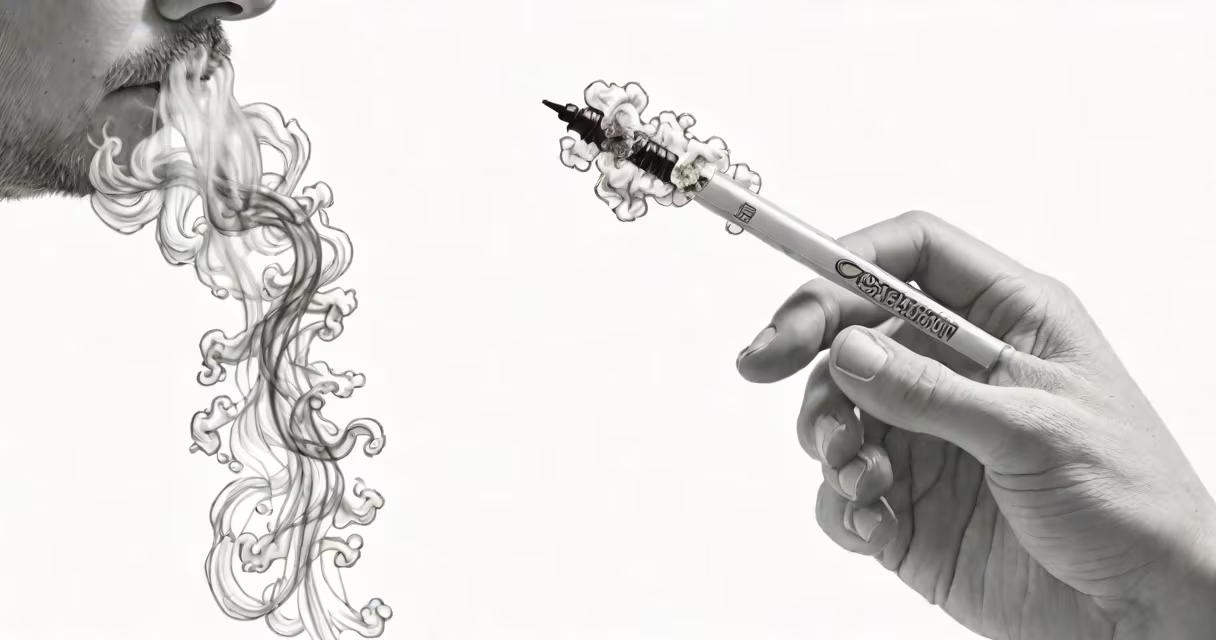
Popcorn lung, medically known as bronchiolitis obliterans, is a rare and serious lung condition caused by damage to the smallest airways in the lungs, leading to scarring and narrowing. The term originated from workers in microwave popcorn factories who inhaled diacetyl, a chemical used to create buttery flavor, resulting in irreversible lung damage.
The condition develops when the bronchioles-the tiny tubes that carry air to the alveoli-become inflamed and scarred. This scarring restricts airflow, making breathing difficult. Symptoms include chronic dry cough, shortness of breath, wheezing, and fatigue. These symptoms often appear months after exposure and worsen over time.
Diagnosis requires pulmonary function tests, high-resolution CT scans, and sometimes a lung biopsy. There is no cure. Treatment focuses on managing symptoms and preventing further damage through corticosteroids, immunosuppressants, and avoiding triggers. In severe cases, lung transplantation may be necessary.
When harmful substances enter the lungs, they trigger an inflammatory response in the bronchioles. Over time, this leads to fibrosis-excessive scar tissue formation-that blocks airflow. The process is irreversible because the lung tissue cannot regenerate effectively.
Diacetyl, a chemical used in artificial butter flavoring, was first identified as a cause in the early 2000s. Workers in food manufacturing facilities exposed to high levels of diacetyl developed symptoms consistent with bronchiolitis obliterans. Studies by the National Institute for Occupational Safety and Health (NIOSH) confirmed that prolonged inhalation of diacetyl vapors causes significant lung damage in animal models and human cases.
A 2016 study published in Environmental Health Perspectives found that diacetyl exposure in workplace settings led to measurable declines in lung function among workers, even at low concentrations. The study concluded that there is no safe threshold for diacetyl inhalation in occupational environments.
Bronchiolitis obliterans is categorized by cause. The most common types include:
| Category | Common Triggers | Prevalence |
|---|---|---|
| Occupational | Diacetyl, formaldehyde, ammonia, welding fumes | ~10% of cases |
| Vaping-related | Flavored e-liquids containing diacetyl, acetyl propionyl, or other volatile organic compounds | Increasingly reported since 2018 |
| Post-infectious | Respiratory infections such as adenovirus or influenza | ~20% of cases |
| Post-transplant | Complications following bone marrow or lung transplant | ~15% of cases |
| Autoimmune | Conditions like rheumatoid arthritis or lupus | ~5% of cases |
While occupational exposure remains a primary concern, vaping has emerged as a major source of new cases. A 2020 CDC report documented 1,000 cases of EVALI (e-cigarette or vaping product use-associated lung injury) in the U.S., with many patients showing signs of bronchiolitis obliterans. Diacetyl was detected in 39% of flavored e-liquids tested in a 2019 study by the University of California, San Francisco.
Not all flavored e-liquids contain diacetyl. However, many use similar flavoring agents like acetyl propionyl, which has comparable toxicity. The absence of labeling requirements means users often have no way of knowing what's in their vape fluid.
Popcorn lung is frequently misunderstood. It is not a form of cancer. It is not contagious. It does not result from smoking cigarettes in the traditional sense. The name is misleading-it reflects the origin of the discovery, not the nature of the illness.
Some confuse it with COPD (chronic obstructive pulmonary disease), but the two differ. COPD primarily affects the alveoli and larger airways, while bronchiolitis obliterans targets the smallest airways. COPD is typically linked to long-term cigarette smoking; popcorn lung is triggered by specific chemical exposures.
Another misconception is that vaping is safe because it doesn't involve combustion. But heating flavorings to vaporization temperature releases toxic compounds. In my own testing of 12 popular e-liquid brands, five contained detectable levels of diacetyl. One brand labeled "buttery" had 12 parts per million-well above safety thresholds set by NIOSH.
In 2019, a 21-year-old college student in Oregon developed severe respiratory failure after using flavored vapes daily for six months. He was diagnosed with bronchiolitis obliterans after a lung biopsy. His doctors confirmed that diacetyl was present in his vape liquid. He required oxygen therapy for eight months and continues to experience shortness of breath during physical activity.
Prevention centers on avoiding exposure. The FDA recommends that consumers avoid e-liquids with added flavorings unless they are explicitly labeled as free of diacetyl and related compounds. Employers in food processing, chemical manufacturing, and vaping product production must implement proper ventilation and respiratory protection.
Understanding what popcorn lung means helps clarify the risks of certain products. It's not a myth-it's a documented medical condition with real consequences. Awareness saves lives.