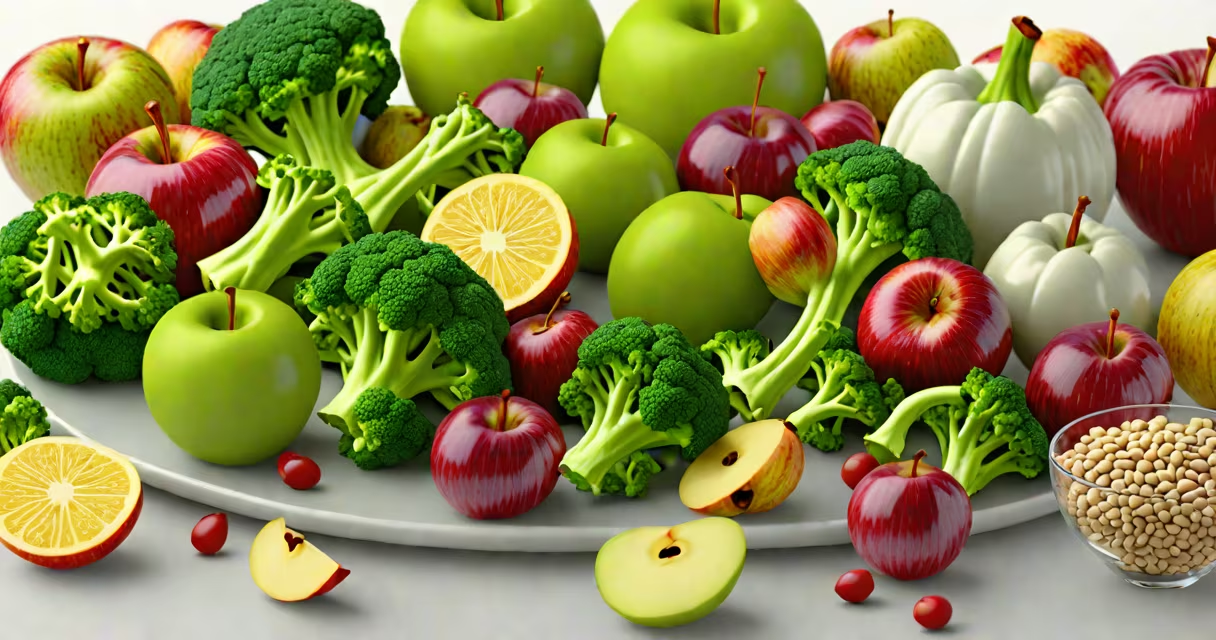
Foods to avoid for gas and bloating include high-FODMAP carbohydrates, cruciferous vegetables, legumes, carbonated drinks, and certain fruits. These items ferment in the large intestine, producing excess gas and distension. The most effective strategy is identifying personal triggers through elimination and reintroduction.
Gas and bloating result from bacterial fermentation of undigested carbohydrates in the colon. When these carbs aren't broken down in the small intestine, they move to the large intestine where gut bacteria metabolize them into gases like hydrogen, methane, and carbon dioxide. This process causes abdominal swelling, discomfort, and frequent flatulence.
Research shows that up to 75% of people with irritable bowel syndrome (IBS) experience bloating, often linked to specific food intolerances. A 2021 study published in Gastroenterology confirmed that a low-FODMAP diet reduced bloating symptoms in 60% of participants within four weeks. FODMAPs-fermentable oligosaccharides, disaccharides, monosaccharides, and polyols-are the primary culprits.
High-FODMAP foods contain short-chain carbohydrates poorly absorbed in the small intestine. They draw water into the bowel and feed colonic bacteria, leading to gas production. The most problematic categories include:
A 2019 review in Nutrients found that 30% of healthy adults report bloating after consuming beans, even without diagnosed intolerance. This suggests sensitivity varies widely and may depend on gut microbiome composition.
Not all gas-producing foods affect everyone equally. Some people tolerate small amounts, while others react strongly. The following table outlines major food groups and their typical impact levels based on clinical studies.
| Food Group | Examples | Primary Trigger | Typical Reaction Level |
|---|---|---|---|
| Cruciferous Vegetables | Broccoli, cabbage, Brussels sprouts | Sulfur compounds and fiber | High (in 40-60% of users) |
| Legumes | Black beans, chickpeas, lentils | Raffinose and stachyose | Very high (in 70% of sensitive individuals) |
| Fruits | Apples, pears, peaches, dried apricots | Excess fructose and sorbitol | Medium to high |
| Dairy | Milk, ice cream, soft cheese | Lactose | High in lactose-intolerant people |
| Artificial Sweeteners | Sorbitol (in sugar-free gum), xylitol | Polyols | Very high (even in small doses) |
For example, a 2020 double-blind crossover trial showed that participants who consumed 10 grams of sorbitol daily reported increased bloating and diarrhea within 24 hours. This dose is equivalent to about two pieces of sugar-free gum.
Many assume all gas is caused by poor digestion or weak guts. But gas is normal-healthy people pass 10-20 liters of gas per day. The issue arises when volume exceeds comfort thresholds or when gas builds pressure due to inefficient expulsion.
Another misconception is that avoiding all fiber prevents bloating. Fiber is essential for gut motility and microbiome diversity. The problem lies in fermentable fibers, not fiber itself. Soluble, non-fermentable fibers like psyllium reduce bloating, while insoluble ones like wheat bran may increase it in sensitive individuals.
A key distinction: bloating from food is different from bloating due to constipation or hormonal changes. If bloating occurs consistently around menstruation or with delayed bowel movements, dietary triggers may be secondary. In such cases, tracking patterns over time helps isolate root causes.
I once experienced persistent bloating after eating a salad with onions, apples, and chickpeas. After eliminating each ingredient individually, I discovered that chickpeas and onions were the primary triggers. Switching to canned chickpeas rinsed thoroughly and using garlic-infused oil instead of raw garlic reduced symptoms.
To identify your triggers:
After this process, many people find they can tolerate small amounts of previously problematic foods. For example, one study found that 45% of IBS patients could reintroduce garlic in moderation after a 6-week low-FODMAP phase.
Bloating that persists despite dietary changes may indicate underlying conditions like small intestinal bacterial overgrowth (SIBO), celiac disease, or inflammatory bowel disease. Blood tests and breath tests (like the hydrogen breath test) can detect malabsorption issues.
If bloating is accompanied by weight loss, blood in stool, or chronic diarrhea, consult a gastroenterologist. These signs suggest a medical condition beyond dietary triggers.
Understanding what foods to avoid for gas and bloating begins with recognizing individual differences. There is no universal list-your body's response matters more than general advice. Tracking intake and symptoms gives you control over digestive comfort.
Identifying what foods to avoid for gas and bloating hinges on personal experimentation and consistency. Start with the most common triggers-onions, garlic, beans, carbonated drinks-and build from there.