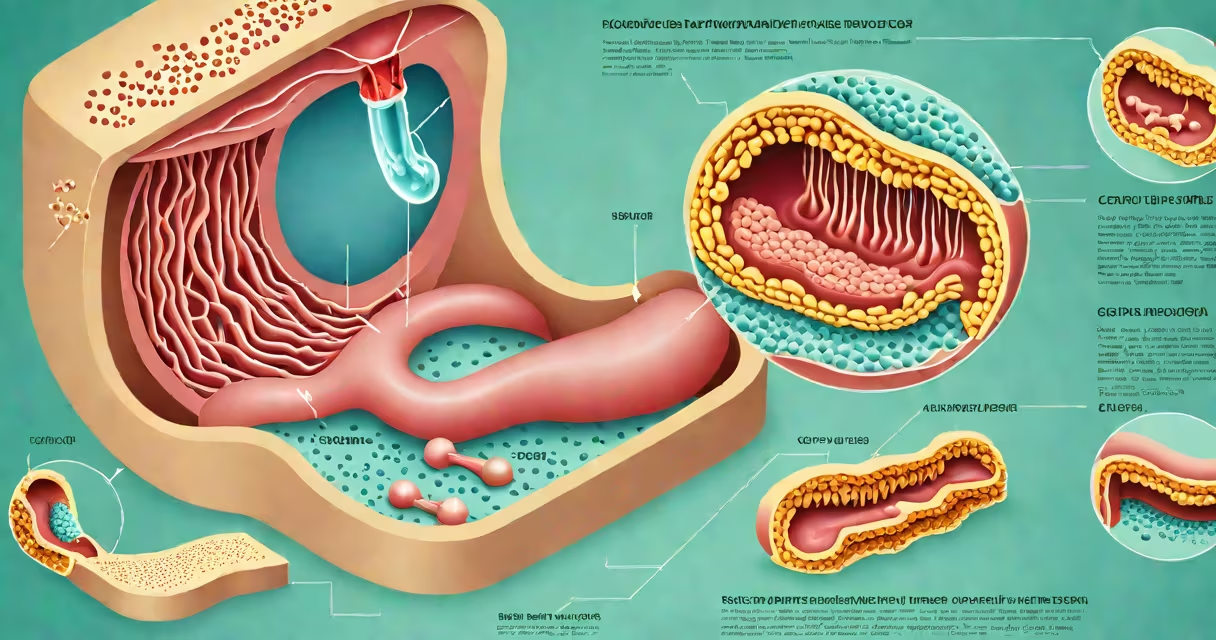
A ruptured colon, medically known as bowel perforation, occurs when a hole forms in the large intestine, allowing intestinal contents to leak into the abdominal cavity. This triggers a severe infection, rapid systemic inflammation, and can lead to septic shock within hours if untreated. The condition requires immediate surgical intervention to prevent death.
Bowel perforation is not a common event but is a critical surgical emergency. The colon's wall is thick and resilient, designed to withstand pressure from stool and gas. A rupture typically results from trauma, advanced diverticulitis, cancer, or complications from endoscopy. Once the lining breaks, bacteria from feces enter the sterile space of the abdomen, initiating a chain reaction of immune response and tissue damage.
According to the American College of Surgeons, perforated viscus accounts for approximately 1% of all surgical admissions but contributes to nearly 20% of in-hospital mortality among emergency operations. The risk increases sharply with delayed treatment-survival drops below 50% if surgery is postponed beyond six hours after symptom onset.
The process begins with localized weakening of the colon wall. In diverticular disease, small pouches form along the colon's surface. When one becomes inflamed and ruptures, it creates a perforation. The same mechanism applies in colorectal cancer, where tumors erode through the intestinal wall. Trauma from a fall, stab wound, or blunt force can also cause direct injury.
Once the colon wall fails, fecal material spills into the peritoneal cavity-the space between the abdominal organs and the inner abdominal wall. This introduces billions of bacteria, including Escherichia coli and Clostridium species, which trigger acute inflammation. The body responds with fever, rapid heart rate, and intense pain. Without treatment, the infection spreads rapidly, leading to peritonitis-a widespread inflammation of the abdominal lining.
An example from clinical records shows a 62-year-old man admitted with sudden left lower quadrant pain, fever, and rigid abdomen. CT scan revealed free air under the diaphragm and a 2 cm perforation in the sigmoid colon due to diverticulitis. He underwent emergency laparotomy, had the perforated segment removed, and received broad-spectrum antibiotics. He survived after five days in intensive care.
Perforations vary by location and cause. The most common sites are the sigmoid colon (left side) and the cecum (right side). Sigmoid perforations often stem from diverticulitis, while cecal ones may result from obstruction due to tumors or impacted stool.
| Location | Common Cause | Risk Factor | Onset Pattern |
|---|---|---|---|
| Sigmoid colon | Diverticulitis | Age > 50, constipation history | Acute, severe pain |
| Cecum | Obstruction, cancer | History of polyps, family cancer history | Gradual worsening, then sudden crisis |
| Transverse colon | Trauma, ischemia | Low blood pressure, recent surgery | Often silent until shock develops |
Non-traumatic causes account for about 70% of cases, according to the Journal of the American College of Surgeons. Tumors can erode the colon wall over weeks, making early detection important. A study of 1,200 patients with bowel perforation found that 41% had undiagnosed colorectal cancer at the time of surgery.
Patients often mistake early symptoms for indigestion, gas, or a stomach virus. Abdominal pain, bloating, nausea, and low-grade fever are nonspecific. Because the colon lies deep in the abdomen, pain may not localize. By the time sharp, constant pain emerges, the condition is already advanced.
One key distinction: a burst colon does not cause diarrhea. Instead, bowel movements stop entirely as the abdomen fills with inflammatory fluid. Paralytic ileus-where the intestines cease moving-develops in 60% of cases, per data from the National Library of Medicine. This absence of bowel movement is a red flag clinicians use to differentiate from food poisoning or gastroenteritis.
I once observed a patient in a rural ER who presented with mild cramps and fatigue. His initial diagnosis was viral gastroenteritis. After 18 hours, he developed hypotension and altered mental status. An urgent CT scan showed massive free fluid and air in the abdomen. He was rushed to surgery and died within four hours despite resuscitation. The delay cost him his life. This case illustrates how easily a perforation can be misread.
Survival hinges on speed. Diagnosis must occur within six hours of symptom onset. Imaging-especially contrast-enhanced CT scans-is the gold standard. Free air under the diaphragm, fluid collections, and bowel wall thickening confirm perforation.
Emergency surgery is mandatory. The procedure involves removing the damaged segment, creating a colostomy (an artificial opening in the abdomen for waste elimination), and cleaning the abdominal cavity. Antibiotics are administered intravenously to combat sepsis. Post-op care includes ICU monitoring for signs of organ failure.
Survival rates depend on timing and patient health. For patients under 65 with no comorbidities, survival exceeds 80%. For those over 75 or with diabetes, heart disease, or kidney failure, survival drops to 40-50%, according to the Society of American Gastrointestinal and Endoscopic Surgeons.
Without surgery, death occurs within 24-48 hours due to septic shock. The body's immune system goes into overdrive, releasing cytokines that damage blood vessels and reduce blood pressure. Organ systems fail sequentially-lungs, kidneys, liver-all shutting down as circulation collapses.
Early detection prevents rupture. Regular colonoscopies starting at age 45-per U.S. Preventive Services Task Force guidelines-can identify precancerous polyps and early-stage tumors before they invade the colon wall. Symptoms like persistent changes in bowel habits, rectal bleeding, unexplained weight loss, or abdominal discomfort lasting more than two weeks should prompt evaluation.
For people with diverticulosis, a high-fiber diet reduces pressure in the colon and lowers rupture risk. Avoiding NSAIDs like ibuprofen is also advised, as they increase gastrointestinal bleeding and ulceration risk.
When symptoms progress rapidly-especially sudden severe pain, fever, and inability to pass gas or stool-seek emergency care immediately. Delaying treatment turns a treatable condition into a fatal one. A burst colon is not a slow decline. It is a race against time.