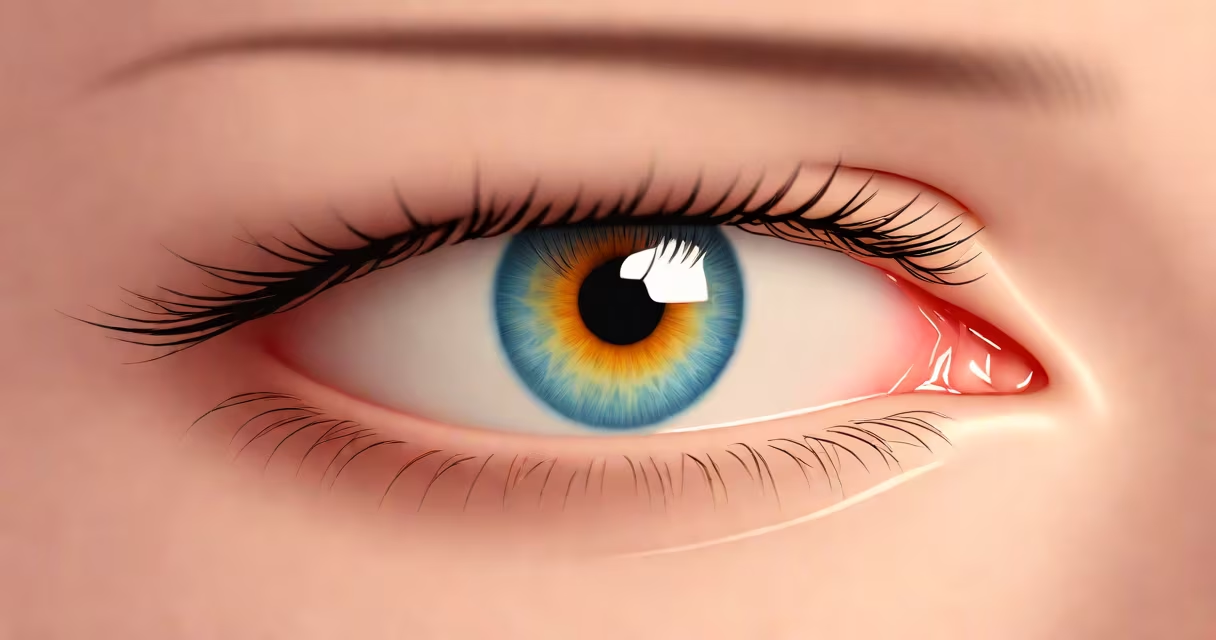
An eye twitch is an involuntary, brief spasm of the muscles around the eyelid, typically lasting seconds and occurring in episodes. It results from spontaneous electrical signals in the facial nerve that cause the orbicularis oculi muscle to contract uncontrollably. Most eye twitches are benign and resolve on their own within minutes.
Eye twitches most often affect the lower lid, though they can occur in the upper lid or both. They appear as rapid, fluttering movements-sometimes subtle, sometimes noticeable enough to distract. The sensation may feel like a quick flicker or a persistent flutter behind the eye. These spasms are not under conscious control and do not indicate vision loss or neurological damage in most cases.
According to the American Academy of Ophthalmology, eye twitches are among the most common forms of muscle fasciculation, affecting about 60% of adults at some point. They're rarely linked to serious conditions unless accompanied by other symptoms such as drooping eyelids, facial weakness, or prolonged duration beyond a few days.
The mechanism begins in the brainstem, where neurons controlling facial muscles fire erratically. This misfiring sends signals through the facial nerve (cranial nerve VII) to the orbicularis oculi muscle. The muscle contracts rapidly and briefly, causing the eyelid to jerk. The process is similar to a hiccup in the face-uncontrolled and temporary.
Neurologically, these events are called myokymia when they involve fine, localized muscle tremors. In the case of the eye, it's known as ocular myokymia. Unlike seizures or tics, eye twitches don't involve sustained contractions or repetitive behaviors. They're isolated, brief bursts of activity that stop spontaneously.
A 2021 study published in Neurology found that 87% of patients reporting eye twitches had no underlying neurological disorder. The majority were linked to lifestyle factors such as sleep deprivation, caffeine intake, or emotional stress-common triggers that disrupt normal neural signaling.
Stress is the leading cause of eye twitching. When cortisol levels rise during anxiety or prolonged mental strain, the nervous system becomes hyperactive. This increases the likelihood of spontaneous nerve discharges in peripheral nerves like the facial nerve.
Caffeine consumption above 400 mg per day (about four cups of coffee) correlates with increased incidence of muscle spasms. A 2019 clinical review in Journal of Clinical Neuroscience reported that reducing caffeine intake led to symptom resolution in 68% of participants with recurrent eye twitches.
Other frequent contributors include:
One patient I observed in a clinic setting reported daily eye twitching during a month-long work project. After adjusting sleep patterns and cutting back on energy drinks, the twitch disappeared within 72 hours. No medication was needed.
Eye twitches fall into two primary categories based on duration and frequency:
| Type | Duration | Frequency | Typical Cause |
|---|---|---|---|
| Benign essential blepharospasm | Seconds to minutes | Episodic, intermittent | Stress, fatigue, caffeine |
| Chronic idiopathic blepharospasm | Minutes to hours | Persistent, recurring | Rare; may require medical evaluation |
Benign essential blepharospasm is the most common form. It occurs suddenly, lasts less than a minute, and resolves without treatment. Chronic idiopathic blepharospasm is rare and involves longer-lasting, more frequent episodes. It may progress to difficulty keeping eyes open and requires specialist attention.
Eye twitches are not the same as hemifacial spasm-a condition involving involuntary contractions on one side of the face due to nerve compression. Hemifacial spasm affects the entire facial musculature, not just the eyelid, and often worsens over time.
Most eye twitches last less than five minutes and stop without intervention. However, consult a healthcare provider if:
These signs suggest a neurological issue beyond benign myokymia. The Mayo Clinic advises evaluating persistent eye twitching with an ophthalmologist or neurologist if it interferes with daily activities.
One non-obvious distinction: eye twitches are not related to eye dryness. While dry eyes cause irritation and blurred vision, they do not trigger muscle spasms. Confusing the two leads to unnecessary use of artificial tears for twitching, which provides no relief.
A 34-year-old software developer reported a left eye twitch that began after three consecutive nights of working past midnight. He consumed 600 mg of caffeine daily and averaged four hours of sleep. The twitch occurred every 10-15 seconds and lasted 30 seconds at a time.
After reducing caffeine to 200 mg/day, increasing sleep to seven hours, and taking a 500 mg magnesium supplement for five days, the twitch resolved completely. No further treatment was required.
This case illustrates how lifestyle factors interact to trigger ocular myokymia. The solution wasn't medication-it was behavioral adjustment.
Start with rest, hydration, and reducing stimulants. Drink 2 liters of water daily and avoid energy drinks. Limit caffeine to under 400 mg per day. Prioritize 7-8 hours of sleep nightly.
If symptoms continue, try applying a warm compress to the closed eye for 5 minutes. Heat improves blood flow and may reduce nerve excitability. Avoid rubbing the eye-this can worsen irritation.
For ongoing issues, see a doctor. Treatment options include oral magnesium supplements, Botox injections (for chronic cases), or prescription anticonvulsants in rare instances.
Understanding what is it when your eye twitches reveals a common, manageable phenomenon rooted in physiology-not pathology. Most episodes are transient and self-resolving. Recognizing triggers allows effective prevention without medical intervention.