Meta gaming in FiveM occurs when a player uses knowledge from outside the game's fictional world-such as knowing another player's real-life identity or past actions-to make decisions during roleplay. This breaks immersion and undermines cooperative storytelling.
FiveM is a multiplayer modification for Grand Theft Auto V that enables custom servers with persistent worlds, roleplay scenarios, and scripted events. Players assume roles like police officers, doctors, or criminals. The core goal is to act within the game's narrative, not based on real-world awareness.
When a player says, "I know you're the guy who stole the money last week because I saw your real name in the Discord," they are meta gaming. This behavior is widely rejected in serious roleplay communities because it collapses the fiction.
Players enter a FiveM server expecting a shared story. A character might be a mechanic who fixes cars in a fictional town. If another player knows from a private chat that the mechanic is actually a known cheater in real life, and then acts on that knowledge during gameplay-like refusing to repair their car-they're using meta information.
This kind of action isn't part of the game's story. It's based on external facts. The mechanic may have no idea they're being judged by someone who knows their real identity. That imbalance creates unfair advantages and erodes trust.
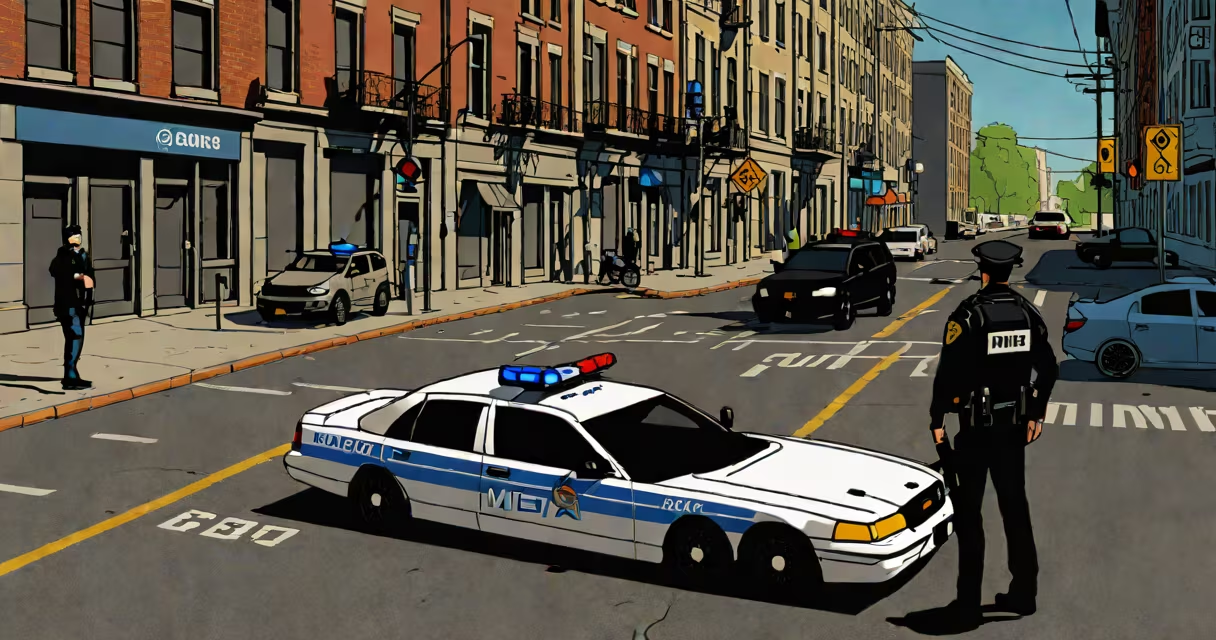
For example, a player might report a crime to the police in-game. If the officer knows the suspect is a friend in real life, and chooses not to arrest them, that's meta gaming. The officer is acting on personal relationships outside the game's rules, not on in-character logic.
Not all meta gaming is equal. Some forms are subtle, others overt. The severity depends on intent and impact.
| Type | Description | Example |
|---|---|---|
| Knowledge-based | Using real-world info about another player to affect in-game choices. | Refusing to serve a player because you know they've been banned before. |
| Behavior-based | Acting differently due to prior interactions outside the game. | Ignoring a player's request for help because they were rude in Discord. |
| Information-leak | Sharing details about future events or hidden mechanics. | Telling a new player the location of a hidden drug lab before it's revealed in the story. |
Knowledge-based meta gaming is the most common. It happens when players assume roles but carry real-world knowledge into their characters' decisions. Behavior-based meta gaming often stems from social friction between players, especially in large servers with active Discord channels.
Information-leak meta gaming is less frequent but highly disruptive. It breaks suspense and ruins surprise elements designed by server creators. For example, a server might plan a surprise raid on a criminal hideout. If a player leaks the time and location to friends, the event loses its tension.
FiveM roleplay servers prioritize immersive storytelling. Rules against meta gaming are standard in server documentation. Violations can result in warnings, temporary bans, or permanent expulsion.
Server administrators use tools like logging scripts, roleplay timers, and moderation teams to monitor behavior. Some servers require players to use separate accounts for real-life communication, reducing the chance of leaked information.
The official FiveM website states that "server integrity relies on consistent roleplay." Misconduct, including meta gaming, violates community guidelines. Similarly, the official FiveM Discord emphasizes that "players should act within the game's fiction, not real-world context."
One server I helped moderate had a rule: "No discussing player identities outside of roleplay logs." We enforced it by requiring players to submit in-character reports for incidents. When a player reported a theft using real-world knowledge, we flagged it. The incident was reviewed, and the player was warned. After that, reports became more consistent with in-character reasoning.
Many players confuse meta gaming with simple roleplay mistakes. For example, a player might accidentally reveal a plot twist during a conversation. That's not meta gaming-it's poor timing or lack of awareness. True meta gaming requires intentional use of external knowledge.
Another misconception is that all real-world discussion is meta gaming. That's false. Talking about server rules, scheduling events, or organizing roles in a Discord channel is normal. But shifting those discussions into in-game decisions-like punishing a player for something said in chat-is crossing the line.
A key distinction: meta gaming is not about being "too serious" or "not having fun." It's about consistency. A player can enjoy chaos or comedy in a server, but if they use real-world knowledge to manipulate outcomes, they're breaking the shared agreement.
Some players argue that meta gaming is natural in online games. But in FiveM, the goal isn't competition-it's collaborative storytelling. Using real-world insights to gain advantage disrupts that balance. It turns roleplay into a game of personal power rather than shared narrative.
What is meta gaming FiveM? It's the misuse of real-world knowledge to influence in-game actions. It breaks immersion, harms trust, and weakens the roleplay experience. Serious servers enforce strict rules against it.
Players who want authentic storytelling should focus on in-character decisions. If you're unsure whether an action counts as meta gaming, ask: "Would my character know this?" If the answer is no, don't act on it.