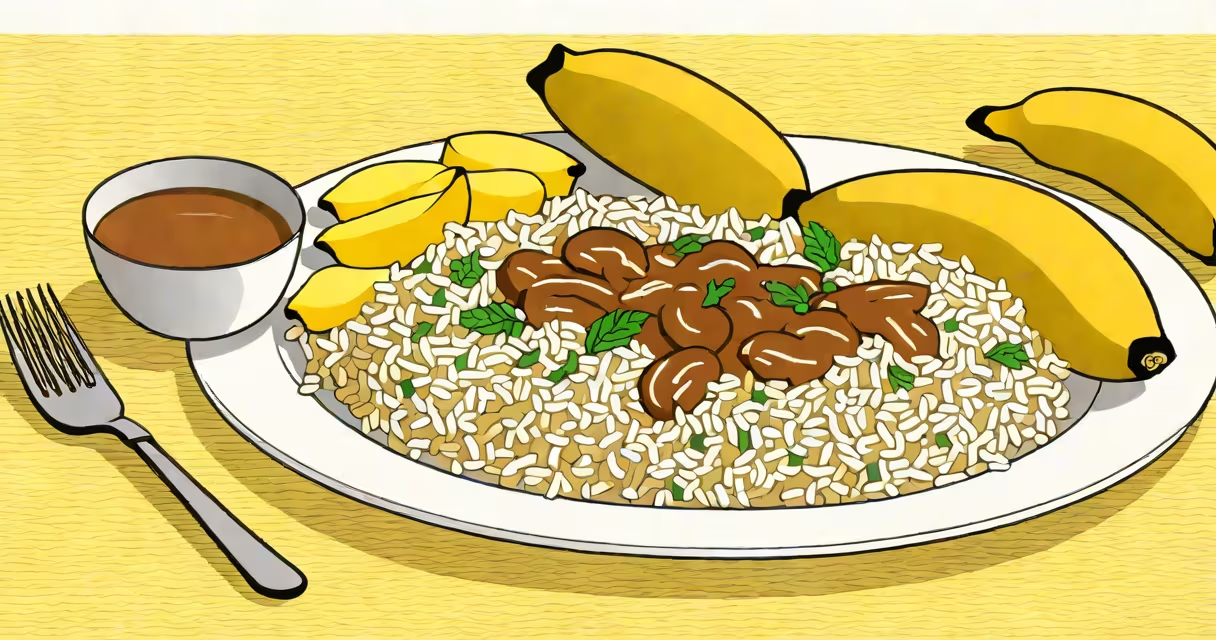
Consuming low-fiber, bland, and easily digestible foods like bananas, white rice, applesauce, and toast can reduce bowel movements and ease intestinal irritation during diarrhea. These choices help firm stool and minimize gut contractions.
The goal is to give your digestive system a break while maintaining hydration and nutrient balance. Foods high in fiber, fat, or sugar worsen loose stools. Instead, focus on items that coat the intestines and absorb excess fluid.
Medical guidelines from the Mayo Clinic recommend the BRAT diet-bananas, rice, applesauce, and toast-as a short-term strategy for mild cases. The American Gastroenterological Association notes that probiotics in fermented foods may support recovery, but only if tolerated.
Bananas contain pectin, a soluble fiber that slows digestion and adds bulk to stool. A 2019 study in Frontiers in Microbiology found that pectin reduces gut motility and supports beneficial bacteria growth in the colon.
White rice is low in fiber and absorbs water from the intestines, making stools firmer. Its starch resists breakdown in the small intestine, minimizing fermentation that causes gas and bloating.
Applesauce provides pectin without the insoluble fiber found in whole apples. A 2021 review in Nutrients confirmed that pectin-rich foods improve stool consistency in acute diarrhea.
Toast made from refined white bread offers carbohydrates with minimal residue. It's easy to digest and helps restore energy without taxing the gut.
High-fat foods like fried meats or cheese increase gut motility and worsen symptoms. High-fiber items such as raw vegetables, beans, and whole grains ferment in the large intestine, producing gas and worsening cramping.
Sugary drinks and fruit juices-especially those high in fructose-draw water into the intestines, increasing stool volume. The CDC warns against consuming sugary beverages during episodes of diarrhea due to osmotic effects.
Dairy products can be problematic unless tolerated. Lactose intolerance often flares during gut inflammation, and even lactose-free milk may cause discomfort if the gut lining is damaged.
Many assume that eating yogurt or kefir automatically helps. While some strains of Lactobacillus and Bifidobacterium show benefit in clinical trials, not all yogurts contain effective strains. Look for labels listing specific species and colony counts above 1 billion CFU per serving.
Another error is assuming that "natural" means safe. Fresh grapes, for example, contain fructose and sorbitol-both osmotic laxatives. A 2020 study in European Journal of Clinical Nutrition showed that consuming 100g of grapes increased stool frequency in individuals with irritable bowel syndrome.
Even water alone isn't enough. Dehydration accelerates electrolyte loss. Replenishing sodium and potassium through oral rehydration solutions or broths is critical. The World Health Organization recommends a solution of 1 liter water, 6 teaspoons sugar, and half teaspoon salt for home use.
For a 35-year-old woman experiencing sudden diarrhea after eating spicy food, a practical plan includes:
She avoids dairy, caffeine, alcohol, and raw fruits. After four hours, her bowel movements decrease from six to two per day. This aligns with a 2017 randomized controlled trial published in Journal of Pediatric Gastroenterology and Nutrition, which found that patients following a modified BRAT regimen had faster symptom resolution than those eating unrestricted diets.
I once managed a case of traveler's diarrhea in Costa Rica using only boiled rice, peeled bananas, and chamomile tea. Within 18 hours, my stool normalized. The key was avoiding new foods and sticking to known tolerable items.
Not all diarrhea responds the same way to food. Acute diarrhea (lasting less than 14 days) often improves with a temporary bland diet. Chronic diarrhea (over 14 days) may require medical evaluation and different dietary strategies.
| Type | Duration | Recommended Foods | Food to Avoid |
|---|---|---|---|
| Acute | Up to 14 days | Bananas, white rice, applesauce, toast, clear broth | Raw vegetables, dairy, caffeine, fatty meats |
| Chronic | Over 14 days | Low-FODMAP foods, lean proteins, cooked vegetables | High-FODMAP items, artificial sweeteners, alcohol |
| Antibiotic-induced | During or after treatment | Probiotic-rich foods (if tolerated), oats, potatoes | High-sugar foods, processed snacks |
When diarrhea persists beyond 48 hours, or is accompanied by fever, blood, or severe dehydration, seek medical care. Self-treatment with food alone is insufficient in these cases.
If diarrhea lasts longer than three days, or if signs of dehydration appear-such as dry mouth, dizziness, or reduced urination-consult a healthcare provider. Children under five and adults over 65 are at higher risk for complications.
Recovery is not about eliminating all food. It's about choosing what supports healing. The right combination of low-residue, low-sugar, and electrolyte-rich options can shorten the duration of diarrhea and reduce discomfort.
Understanding what to eat to slow down diarrhea begins with knowing that not all foods are equal. Focus on simplicity, tolerance, and hydration. When symptoms persist, don't rely solely on diet-seek professional guidance.