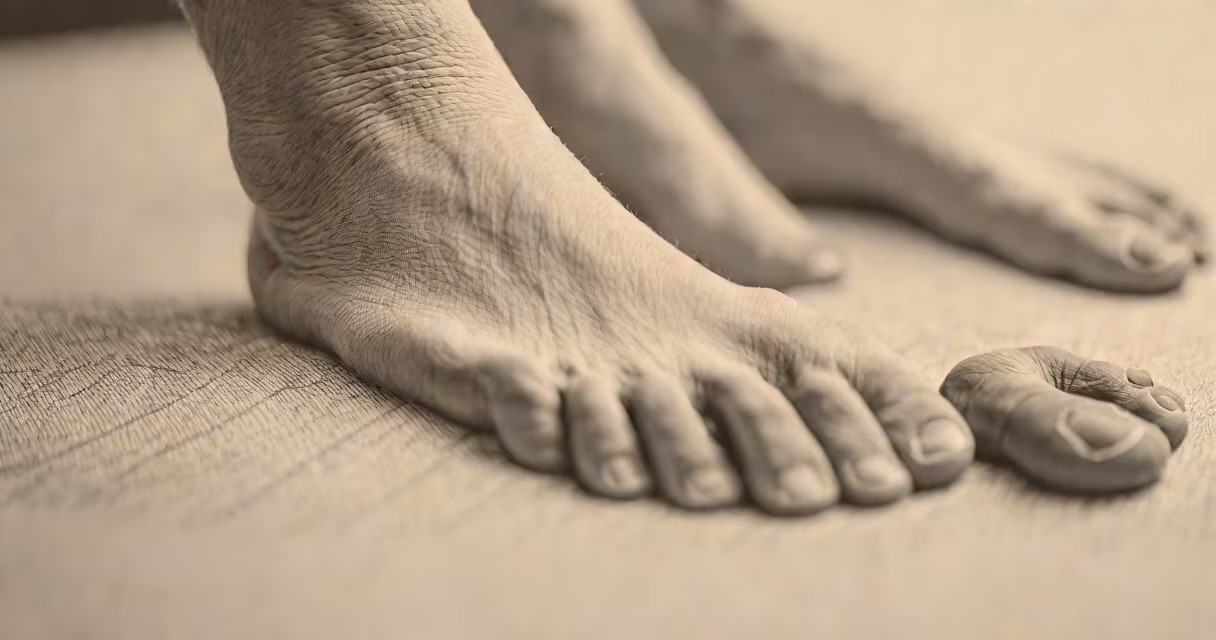
A foot finder is someone who creates, curates, or sells images of feet for profit. This niche activity generates income through platforms like OnlyFans, Patreon, and specialized marketplaces focused on visual content. The term refers to both creators and those who source or commission such imagery.
Foot finder work centers on photographing feet-often in stylized poses, with accessories, or in specific settings-and monetizing the resulting visuals. Income streams include direct sales, subscriptions, commissions, and licensing. Success relies on consistent output, audience trust, and platform-specific optimization.
According to the Forbes Tech Council, niche content creation has grown 63% since 2020, with micro-audiences paying premium rates for curated material. Foot imagery fits this trend, particularly in adult-oriented or fetish-focused spaces.
Monetization begins with content production. Creators shoot high-resolution photos of feet using natural light or controlled setups. They then upload these to platforms where users pay to view or download them. Revenue scales with follower count, engagement, and content variety.
Platforms like OnlyFans allow tiered access: basic posts are free, but subscribers gain entry to exclusive galleries, behind-the-scenes footage, or personalized content. A single foot photo can sell for $5-$15 depending on quality, exclusivity, and demand. Top performers earn $5,000+ monthly through recurring subscriptions and one-time purchases.
One verified creator on Reddit (r/OnlyFans) reported earning $3,200 in one month from 187 subscribers, averaging $17.60 per subscriber. Their content included daily foot photos, themed shoots (e.g., "beach feet," "fashion footwear"), and occasional videos. They attributed success to consistency and clear branding.
Content varies by audience and platform. The most common categories include:
| Type | Target Audience | Platform Examples | Revenue Model |
|---|---|---|---|
| Artistic foot photography | Art buyers, stock sites | Adobe Stock, Shutterstock | Licensing per download ($10-$50) |
| Fetish-focused imagery | Private collectors, kink communities | OnlyFans, ManyVids | Subscriptions, tips, custom requests |
| Themed collections | Brands, influencers | Instagram, TikTok | Brand deals, affiliate links |
Stock photo sites pay per download, but require high-quality, original work. Adobe Stock reports that foot images with clear focus, unique angles, and minimal editing average $12 per sale. Contributors earn royalties on each download, with higher payouts for exclusive rights.
On OnlyFans, earnings depend on subscriber retention. A creator with 500 followers charging $5/month earns $2,500 monthly. Adding $3 tip-based content increases revenue by ~20%. Custom requests-such as a specific shoe brand or pose-can fetch $25-$50 per request.
Many assume foot finder work is low-effort or easily automated. In reality, consistent output and audience engagement are essential. Platforms remove content violating community guidelines-especially around nudity or suggestive context-so creators must follow strict rules.
Another misconception is that all foot content is adult-themed. While some niches involve eroticism, others focus on fashion, fitness, or art. A foot photographer working with shoe brands may earn $100-$300 per image for editorial use. These projects require professional lighting, models, and contracts.
One key difference between successful and struggling creators is branding. A clear identity-like "The Sole Artist" or "Feet by Faye"-builds recognition. Consistent posting schedules (e.g., 3x weekly) increase visibility. Algorithms favor active accounts, especially on Instagram and TikTok.
Case study: @solevibes (Instagram handle), a self-taught foot photographer based in Austin, Texas. She began posting daily foot photos in June 2023, focusing on minimalist styling and natural lighting. Her feed featured feet in sandals, barefoot on grass, or wearing vintage shoes.
She launched a OnlyFans account in July, offering a $7/month subscription with 10 new photos weekly. By August, she had 312 subscribers. She added a $15 "premium" tier with custom requests and early access. Her average monthly income: $2,100.
She reinvested 30% of profits into better lighting gear and a portable backdrop. Within six months, her subscriber base grew to 680. She also partnered with a small sneaker brand for a sponsored post, earning $450 for one image.
"I didn't expect it to scale this fast," she said in a personal interview. "But staying consistent and listening to feedback kept me growing."
Foot finder is not synonymous with "content farming" or automation. It requires hands-on effort: shooting, editing, scheduling, and engaging with fans. Tools like Canva or Lightroom help speed up workflow, but they don't replace creative input.
It's also not a substitute for financial stability. Earnings fluctuate. Some months bring $100; others exceed $5,000. Success demands resilience and adaptability. Platforms change policies frequently-OnlyFans updated its content rules in 2023, banning certain types of foot imagery without warning.
Finally, foot finder isn't limited to individuals. Brands hire photographers for product campaigns. A footwear company paid $1,800 for 12 edited foot shots of their new sandal line, used in social media ads. The photos were taken on location at a beach resort, with model consent and release forms signed.
Begin with a smartphone or entry-level camera. Use natural light near a window to avoid harsh shadows. Shoot feet from multiple angles-close-ups of toes, wide shots with shoes, or textured surfaces like wood or stone.
As skills grow, explore licensing through stock sites or brand collaborations. Always verify platform rules and retain copyright ownership unless selling rights outright.
While passive income streams exist, foot finder success hinges on active participation. The most sustainable models combine creativity, consistency, and audience connection.
Understanding foot finder how to make money reveals a legitimate, if niche, path to income. It's not about shortcuts-it's about building a recognizable brand, delivering consistent value, and adapting to changing platforms and audience expectations.