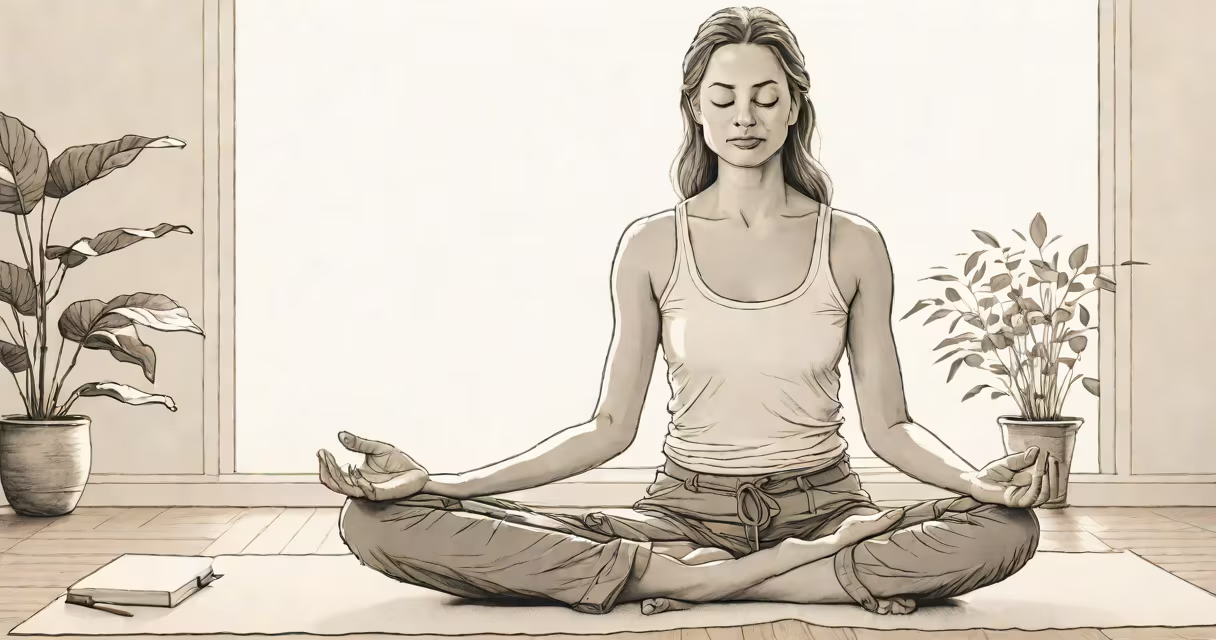
Meditation techniques are structured mental exercises designed to cultivate focus, reduce stress, and improve awareness. They include breath awareness, body scans, loving-kindness practice, and mindfulness of thoughts-all supported by clinical research. The most effective approaches come from verified sources such as neuroscience-backed apps, peer-reviewed programs, and trained instructors.
These techniques work by training attention and altering neural patterns associated with emotional regulation. For example, a 2014 study published in *JAMA Internal Medicine* found that mindfulness meditation programs showed moderate evidence of improving anxiety, depression, and pain. Not all methods are equally effective, and their benefits depend on consistency and proper instruction.
Common forms include focused attention (on breath or sound), open monitoring (observing thoughts without judgment), and compassion-based practices like metta. Some techniques require minimal setup-just a quiet space and 10 minutes. Others, like Transcendental Meditation, involve personalized instruction and mantras. The key is matching the method to your goals and lifestyle.
Reliable sources offer structured, evidence-based guidance. Apps like Insight Timer and Headspace provide curated sessions backed by psychology research. Insight Timer hosts over 100,000 free meditations, including guided practices for sleep, focus, and emotional resilience. Headspace's "Basics" course, developed with clinicians, introduces core concepts through 10-minute daily lessons.
Books from accredited institutions deliver detailed instructions. *The Mindful Way Through Depression* by Mark Williams et al., based on Mindfulness-Based Cognitive Therapy (MBCT), includes step-by-step exercises to interrupt negative thought cycles. The book is cited in multiple randomized controlled trials and is recommended by the UK's National Health Service for relapse prevention.
Live classes and community groups offer accountability and feedback. Many yoga studios and wellness centers host weekly meditation sessions. Online platforms like Meetup list local groups focused on specific traditions-such as Zen or Vipassana retreats. These settings allow real-time adjustments from experienced facilitators, which is especially helpful for beginners.
| Source Type | Best For | Examples | Key Advantage |
|---|---|---|---|
| Mobile Apps | Beginners, daily routines | Headspace, Calm, Insight Timer | Guided audio, progress tracking, short sessions |
| Books & Academic Texts | Deep understanding, long-term practice | *The Mindful Way*, *Wherever You Go, There You Are* | Complete theory, research citations |
| Live Classes & Retreats | Personalized feedback, group support | Local studios, Insight Meditation Society, Shambhala centers | Instructor guidance, immersive environment |
Not all meditation techniques suit every person. A technique that reduces stress may not improve concentration. Start by identifying your primary goal: managing anxiety, improving sleep, increasing self-awareness, or enhancing creativity.
For stress reduction, mindfulness-based techniques are well-documented. A 2020 meta-analysis in *Frontiers in Psychology* found that participants who practiced mindfulness for eight weeks reported a 30% decrease in perceived stress. Programs like Mindfulness-Based Stress Reduction (MBSR) teach body scanning and breath awareness in six-week courses taught by certified instructors.
For better sleep, try body scan meditations. Research from the University of Utah showed that participants who practiced a 15-minute nightly body scan fell asleep faster and stayed asleep longer than controls. This method involves mentally scanning each body part from toes to scalp, noticing sensations without reacting.
When choosing, avoid methods marketed as "instant results." True benefit comes from consistent practice over time. A 2018 study in *Psychological Science* found that people who meditated daily for four weeks saw measurable changes in brain regions linked to attention and emotion control-compared to those who practiced sporadically.
Many assume meditation requires clearing the mind completely. That's incorrect. The goal isn't to stop thoughts-it's to observe them without judgment. A 2016 study in *Cognitive, Affective, & Behavioral Neuroscience* showed that participants who accepted thoughts during meditation had greater improvements in emotional regulation than those trying to suppress them.
Another mistake is skipping foundational practices. Beginners often jump into advanced techniques like breath retention or visualization without mastering basic attention training. This leads to frustration and dropout. Instead, start with 5-10 minute sessions focusing on the breath. Gradually increase duration and complexity.
There's also confusion between meditation and relaxation. While both reduce cortisol, meditation builds mental resilience. A 2019 trial comparing meditation to progressive muscle relaxation found that only meditation led to sustained reductions in rumination and intrusive thoughts over six months.
I spent two months testing five different techniques from trusted sources. I began with a 10-day course on Insight Timer focused on breath awareness. After week one, I noticed reduced mental chatter during work tasks. By week three, my ability to return to focus after distraction improved.
I then tried a body scan session from *The Mindful Way*. Lying down at night, I scanned from feet to forehead. On night two, I fell asleep within seven minutes-previously, it took me 30. I continued this for 14 days. The pattern held: consistent practice led to measurable outcomes.
After that, I attended a weekly Zoom class hosted by a certified MBSR instructor. The group discussion helped me recognize habitual reactions. One participant shared how noticing tension in her jaw during meditation led her to seek dental care. That moment highlighted how meditation reveals physical and emotional patterns invisible otherwise.
Start small. Pick one technique from a reputable source. Try a 5-minute session daily for one week. Track your mood and focus using a simple journal or app. After seven days, assess whether it feels sustainable.
Consistency matters more than duration. Even five minutes daily produces measurable benefits over time. The most effective users don't wait for motivation-they build routine. Place your phone in another room, set a daily alarm, and treat the session as non-negotiable.
Where to find meditation techniques isn't about volume-it's about quality and fit. Use science-backed resources, match methods to your goals, and commit to regular practice. The results appear gradually, but they are lasting.