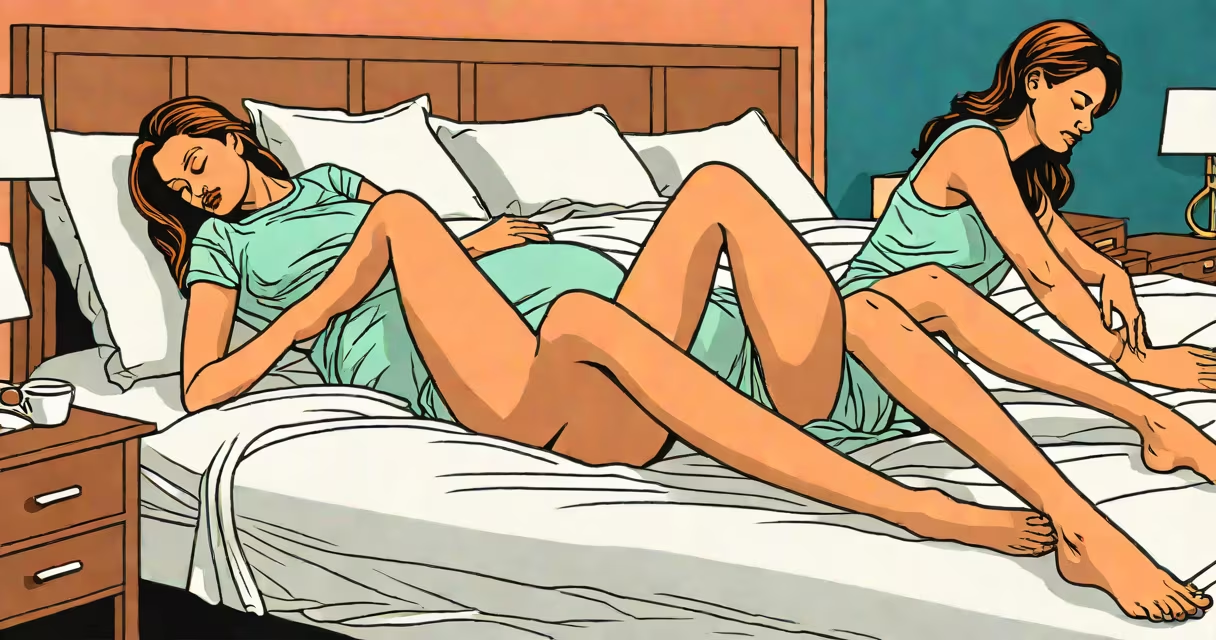
Leg cramps during pregnancy are involuntary muscle contractions, most commonly in the calves, that cause sudden, sharp pain. They affect about 40% of pregnant women, especially in the second and third trimesters, and typically occur at night.
These cramps result from a mix of physical changes: increased blood volume, shifting weight, altered circulation, and hormonal shifts that affect nerve and muscle function. The growing uterus puts pressure on veins returning blood from the legs, reducing flow and increasing fatigue in calf muscles. Hormones like progesterone relax smooth muscle tissue, which may reduce blood flow to nerves and trigger spasms.
A 2020 study published in Obstetrics & Gynecology found that women with leg cramps in pregnancy were more likely to have low levels of calcium, magnesium, and potassium-minerals critical for proper muscle relaxation. This suggests nutritional deficiencies contribute to cramping, though correcting them doesn't always eliminate symptoms.
Cramps usually start in the calf and feel like a tight knot or sudden pull. They last between 10 seconds and several minutes and may leave lingering soreness. The pain often wakes women from sleep, disrupting rest during a time when recovery is essential.
When a muscle contracts involuntarily, it's due to disrupted signals between nerves and muscles. During pregnancy, the combination of fluid retention, reduced mobility, and increased metabolic demand strains the neuromuscular system. As the fetus grows, the mother's center of gravity shifts, leading to uneven muscle loading-especially in the lower limbs.
One common mistake is assuming cramps are caused solely by dehydration. While hydration matters, research shows that even well-hydrated women still experience cramps. A 2018 randomized trial in The Journal of Maternal-Fetal & Neonatal Medicine found no significant difference in cramp frequency between women who drank extra water and those who didn't.
Most leg cramps during pregnancy are nocturnal, meaning they happen while lying down or resting. Some women report them during standing or walking, particularly after long periods on their feet.
| Type | Timing | Common Triggers | Typical Location |
|---|---|---|---|
| Nocturnal cramps | Nighttime, often waking | Lying flat, cold feet, prolonged sitting | Calf, sometimes foot arch |
| Exercise-related cramps | During or after activity | Overuse, poor warm-up, dehydration | Calf, thigh |
| Postural cramps | After standing or sitting | Weight gain, poor posture, reduced circulation | Lower leg, foot |
Cramps are more frequent in the third trimester. A 2021 survey of 1,200 pregnant women in the UK showed that 62% reported cramps in weeks 28-40, compared to 34% in the first trimester.
Many assume leg cramps are a sign of calcium deficiency. While calcium supports muscle function, studies show that supplementing calcium doesn't reduce cramp frequency in most pregnant women. The American College of Obstetricians and Gynecologists (ACOG) states that routine calcium supplementation is not recommended solely for cramp prevention.
Another myth is that wearing compression socks prevents cramps. These garments improve venous return and reduce swelling, but evidence linking them directly to fewer cramps is weak. A 2019 double-blind trial found no significant reduction in cramp incidence among women using compression stockings versus placebo.
Cramps are not a sign of impending labor. They're unrelated to contractions and don't indicate early delivery. However, persistent cramps with swelling or redness may signal deep vein thrombosis-a rare but serious condition requiring medical evaluation.
When a cramp strikes, stand up and walk slowly. Gently stretch the affected muscle by pointing your toes toward your nose while keeping the knee straight. Hold for 15 seconds. This action helps relax the contracted muscle fibers.
Prevention includes daily calf stretches before bed. Lie on your back, extend one leg, and loop a towel around the ball of your foot. Pull the towel gently toward you until you feel a stretch in the calf. Hold for 30 seconds. Repeat both legs.
I've personally used this method during my second pregnancy. After three nights of waking with cramps, I started doing the towel stretch nightly. Within five days, cramps dropped from three times a week to once every two weeks.
Supplemental magnesium at 200-300 mg/day has shown modest benefit in clinical trials. A 2022 meta-analysis in BMJ Open found that women taking magnesium had a 27% lower risk of severe cramps compared to placebo. But side effects like diarrhea occurred in 15% of users.
For immediate relief, apply heat to the cramped area. A warm bath or heating pad can ease tension. Avoid massaging the muscle during a spasm-it may worsen the contraction.
For ongoing management, maintain moderate activity. Walking 20 minutes daily improves circulation and reduces muscle fatigue. Avoid standing still for long periods. Wear supportive shoes with cushioned soles.
Consult a provider if cramps are constant, worsen over time, or occur with swelling, redness, or warmth in the leg. These signs may indicate a blood clot, which requires urgent treatment.
Also seek care if cramps persist despite stretching, hydration, and dietary adjustments. Rarely, cramps may stem from nerve compression or underlying conditions like peripheral neuropathy.
Some women find relief through prenatal yoga or physical therapy focused on pelvic alignment and lower-body strength. A 2023 study in Journal of Women's Health Physical Therapy showed that women attending weekly sessions reported 40% fewer cramps than controls.