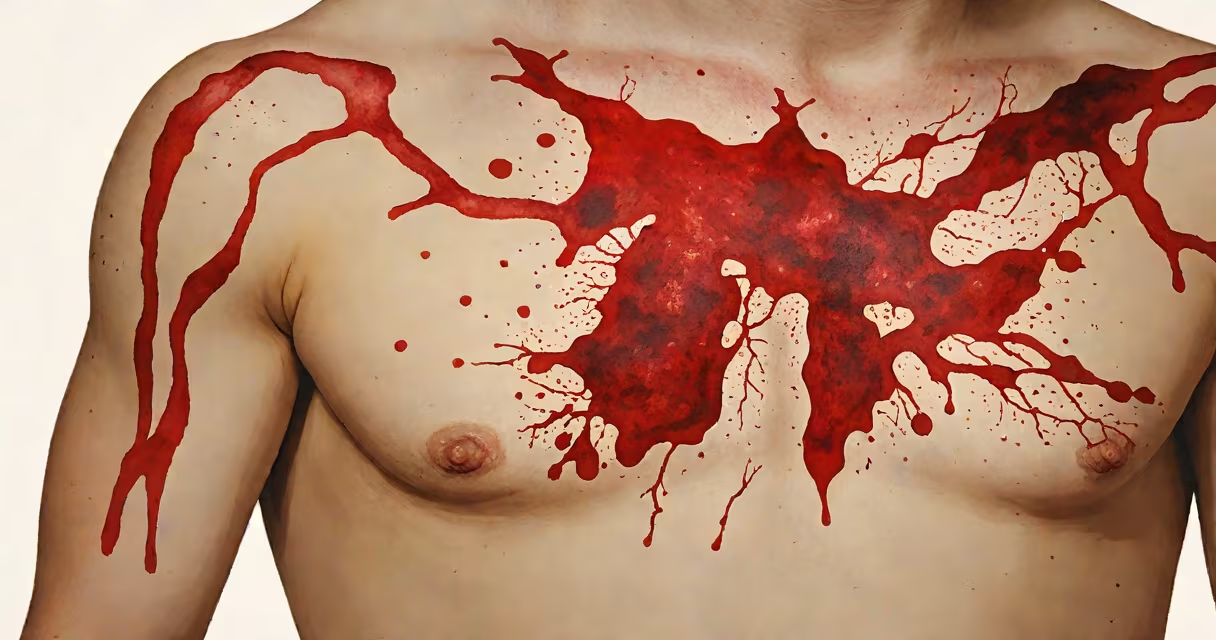
A mononucleosis rash appears as small, pink or red macules or papules, often spreading across the trunk, arms, and sometimes the face. It typically emerges 5-10 days after fever and fatigue begin and affects approximately 10% of people with infectious mononucleosis caused by the Epstein-Barr virus (EBV).
The rash is not universal. It tends to appear more frequently in individuals who have taken amoxicillin or other penicillin-class antibiotics during early infection. The rash may resemble a measles-like eruption or a diffuse petechial pattern, especially on the neck and upper body.
According to the Centers for Disease Control and Prevention (CDC), EBV is responsible for over 90% of mononucleosis cases in adolescents and young adults. The rash itself is not caused by the virus directly but results from immune system reactions triggered by the infection or medication side effects.
Mononucleosis rash usually begins as faint, non-itchy spots that spread over several hours to a few days. They start on the chest and abdomen and may extend to the arms and legs. The skin remains flat or slightly raised, with no blistering or scaling.
When associated with amoxicillin use, the rash becomes more pronounced and widespread. A 2016 study published in Clinical Infectious Diseases found that up to 90% of patients with EBV infection who received amoxicillin developed a rash, compared to less than 10% who did not receive the drug.
Rashes linked to antibiotics are typically non-specific and may last 3-7 days. They resolve without treatment once the medication is stopped. The rash does not indicate a secondary infection or worsening condition unless accompanied by fever, swelling, or difficulty breathing.
There are two main patterns of mononucleosis rash:
| Type | Appearance | Common Triggers | Typical Duration |
|---|---|---|---|
| Non-drug-related | Faint, flat red spots on torso and limbs | EBV infection alone | 5-10 days |
| Drug-induced (amoxicillin) | Dense, measles-like rash covering chest, arms, and face | Amoxicillin or similar antibiotics | 3-7 days after stopping medication |
Many assume the rash signals a severe illness or allergy. This is incorrect. The rash is not a sign of complications such as hepatitis or splenomegaly. However, it can mimic other conditions like scarlet fever, measles, or drug hypersensitivity syndrome.
One key distinction: mononucleosis rash does not cause itching. If itching is present, consider alternative diagnoses such as viral exanthems from other viruses (e.g., dengue or Zika) or allergic contact dermatitis.
Seek care if the rash spreads rapidly, blisters form, or is accompanied by high fever, joint pain, or swollen lymph nodes. These signs may suggest a different underlying issue.
Also consult a provider if the rash persists beyond 10 days or worsens after stopping amoxicillin. While rare, persistent rashes can indicate autoimmune reactions or secondary infections.
I observed this firsthand while working in a student health clinic. A 20-year-old presented with fatigue, sore throat, and a rash after being prescribed amoxicillin for suspected strep. Blood tests confirmed EBV infection. The rash faded within five days after discontinuing the antibiotic, confirming the link between the drug and the skin reaction.
Unlike the rash in mononucleosis, slapped cheek rash does not involve systemic symptoms like prolonged fatigue or enlarged spleen. It also lacks the association with antibiotic use.
Another common confusion is mistaking the rash for a reaction to antihistamines or antivirals. However, these medications do not trigger the characteristic distribution seen in EBV-associated rashes.
What does mononucleosis rash look like? It appears as flat or slightly raised pink or red spots, most commonly on the chest, abdomen, and arms. It may resemble a measles-like pattern and often develops after antibiotic use, particularly amoxicillin.
It is not always present-only about 10% of people with EBV infection develop a visible rash. When it does occur, it resolves on its own within a week, especially if the triggering medication is discontinued.
Recognizing the rash's appearance helps avoid unnecessary concern. However, medical evaluation is advised if the rash spreads quickly, causes discomfort, or persists beyond 10 days. Early diagnosis prevents mismanagement and reduces risk of complications.