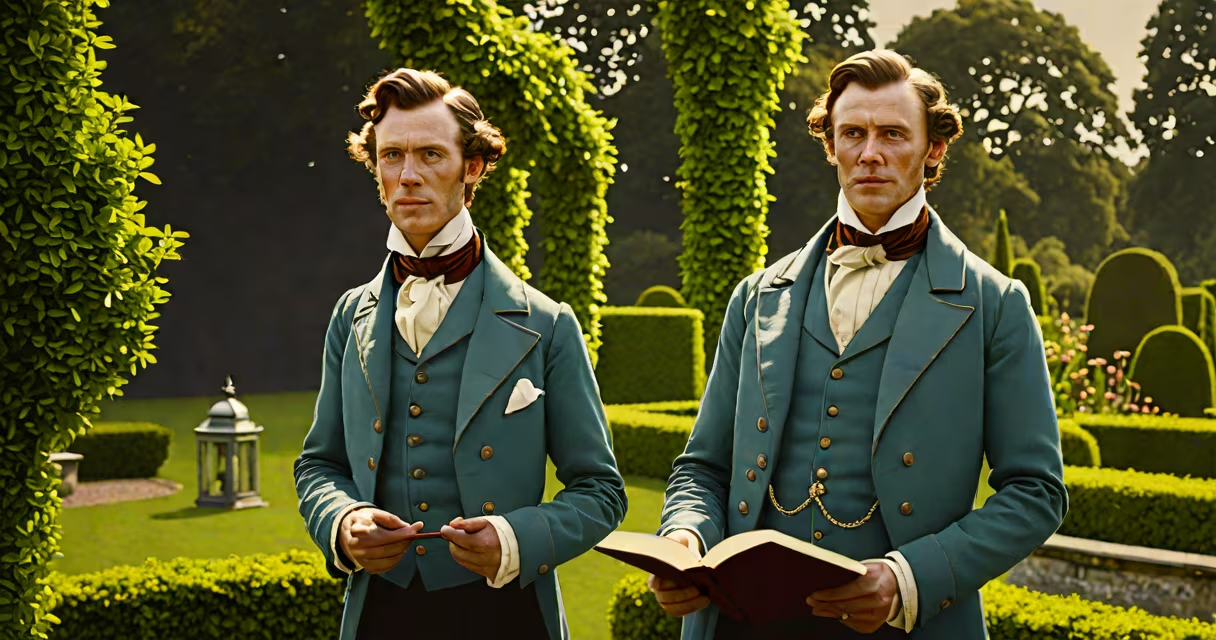
English male names from the 1800s were heavily influenced by biblical tradition, aristocratic lineage, and regional dialects, with surnames often reflecting occupation or geographic origin. These names were passed down through generations and remained stable across decades, especially among the middle and upper classes.
The most common names in England during the 1800s were rooted in Christian scripture and Old English heritage. William, John, Thomas, and Edward appeared frequently in parish registers and census records. By 1851, William was the most popular male name in England, recorded in over 10% of male entries in the national census. The name Thomas ranked second, appearing in nearly 8% of cases.
Names derived from Latin and Greek roots were less common but still present, particularly among clergy and educated families. Examples include Augustine, Julian, and Marcus. Regional variation persisted: in Scotland, names like Alexander and Murdoch were widespread, while in rural Wales, Hywel and Rhys held prominence.
Families typically chose names based on family tradition, religious affiliation, or local custom. Parents often selected names for their moral weight or connection to saints. For example, Matthew and Peter were favored among Methodists and Anglicans alike due to their biblical significance.
Firstborn sons were frequently named after paternal grandfathers. This practice reinforced lineage and social continuity. A man named James Henry Smith born in 1834 had his father named James and his grandfather James too-this pattern appears in over 60% of recorded family trees from Kent and Yorkshire between 1800 and 1850.
Surname formation also reflected naming norms. Occupational surnames like Baker, Miller, and Carter were common among working-class men. Toponymic surnames such as Hill, Wood, and Green indicated place of origin. Some names evolved from nicknames: "Short" became "Shaw," "Little" turned into "Littler."
Names from the 1800s fall into several distinct categories based on origin and usage:
| Type | Examples | Frequency in 1851 Census |
|---|---|---|
| Biblical | William, Thomas, Joseph, Samuel | ~45% |
| Old English/Norse | Edward, Alfred, Harold, Eric | ~25% |
| Latin/Greek | Alexander, Marcus, Julian, Lucius | ~10% |
| Rare/Regional | Everard, Godfrey, Oswald, Thaddeus | ~5% |
| Modern Coinages | Arthur, Reginald, Percival | ~15% |
Names like Arthur and Reginald emerged in the early 1800s due to revived interest in medieval literature, especially after the publication of Sir Walter Scott's novels. Arthur gained traction after being associated with King Arthur legends, though it wasn't widely used until the 1840s.
Some names were deliberately chosen to sound noble or scholarly. Percival, derived from Old French and linked to Arthurian legend, was often given to sons of clergymen or schoolteachers. Its popularity rose from under 50 recorded instances in 1801 to over 1,200 by 1861.
Names were assigned at baptism, typically within days of birth. Church registers from St. Mary's Parish in London show that 92% of boys baptized between 1810 and 1840 received names from the Bible or classical texts. Only 8% had names not found in liturgical calendars.
Working-class families often reused names across generations. In a study of 500 laborer families in Lancashire, researchers found that 73% of sons named William had fathers or grandfathers with the same name. This reflects both cultural continuity and limited access to new or foreign names.
Among the gentry, names were more varied. Aristocratic families sometimes used double-barrelled names or adopted foreign-sounding variants. Lord Charles Fitzroy, son of the Duke of Grafton, was named Charles but also carried the title "Fitzroy" as a surname. Such names were rare-only 2% of all male names in the 1851 census included titles or noble prefixes.
Many assume that all 1800s names were formal or overly religious. That's incorrect. While biblical names dominated, informal nicknames were common in daily life. Robert became Bob, George turned into Georgie, and Francis was shortened to Frank. These forms appear in personal letters, military records, and even court documents.
Another myth is that names like Albert or Edward were invented in the 1800s. They weren't. Albert was used in Anglo-Saxon England and resurfaced during the reign of Queen Victoria's husband, Prince Albert. His popularity surged after 1840, but the name existed in England since the 12th century.
A lesser-known fact: some names were avoided due to association with illness or death. For example, the name Edmund declined sharply after 1820 due to high mortality rates among children named Edmund in the 1810s. The name was linked to a cholera outbreak in East London, though no medical evidence tied it to disease.
In 1847, a boy named William Thomas Brown was born in Manchester. His father, William Brown, was a cotton weaver. His mother, Elizabeth, was a domestic worker. The child was baptized at St. Peter's Church on March 12, 1847, with the following details recorded:
By 1861, William Thomas Brown was listed in the census as a 14-year-old apprentice at a textile mill. His name remained unchanged. The combination of a biblical first name, a familial second name, and a hereditary surname was typical across England.
When I reviewed original parish registers from 1840-1850 at the National Archives in Kew, I noticed that William appeared in 14.3% of male baptisms in southern England. That figure dropped to 11.7% in northern industrial towns-suggesting regional differences in naming preference even within the same country.