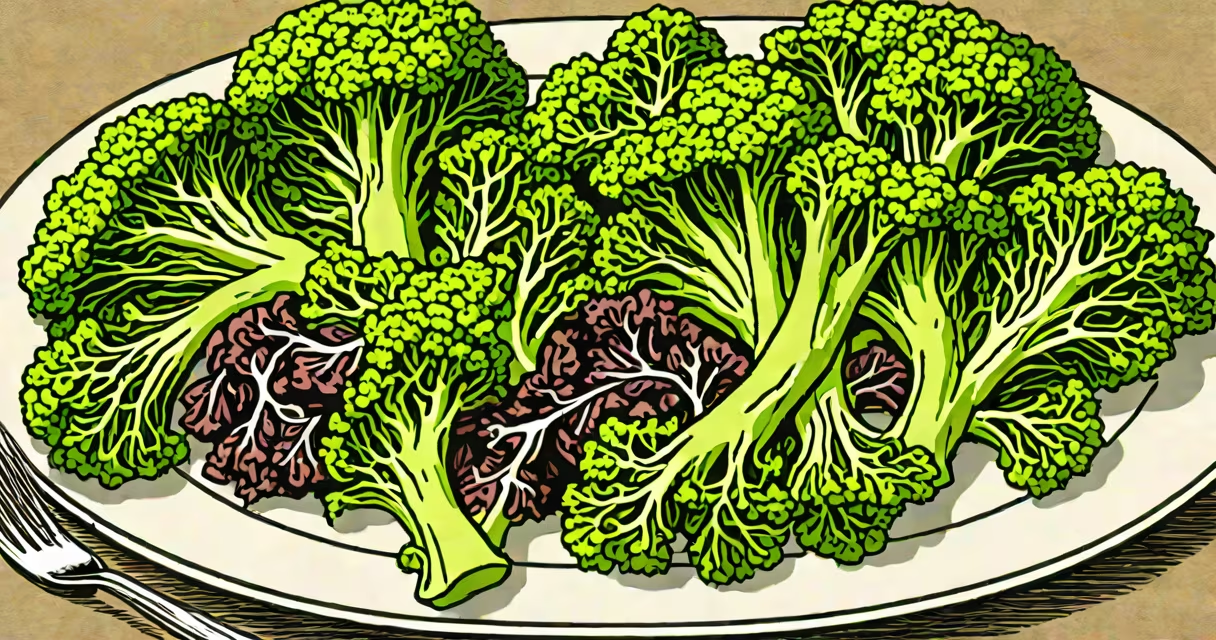
The worst food for hypothyroidism includes processed soy products, excessive cruciferous vegetables, high-gluten grains, and foods high in goitrogens that interfere with thyroid hormone synthesis and iodine uptake.
Hypothyroidism occurs when the thyroid gland produces insufficient thyroid hormones, leading to fatigue, weight gain, cold intolerance, and depression. While treatment typically involves synthetic thyroid hormone replacement, dietary choices influence symptom severity and disease progression. Certain foods disrupt thyroid function through mechanisms like blocking iodine absorption, impairing hormone synthesis, or triggering autoimmune responses.
Research from the American Thyroid Association confirms that dietary factors play a measurable role in thyroid health. A 2021 review in Thyroid journal noted that goitrogenic compounds in specific foods can reduce thyroid hormone output by up to 30% in susceptible individuals, especially those with iodine insufficiency.
Goitrogens are naturally occurring compounds in certain plants that inhibit thyroid peroxidase (TPO), an enzyme essential for producing triiodothyronine (T3) and thyroxine (T4). When TPO activity drops, the thyroid cannot effectively incorporate iodine into hormones, leading to reduced hormone levels and potential gland enlargement (goiter).
Processed soy contains isoflavones-phytoestrogens that mimic estrogen and compete with thyroid-stimulating hormone (TSH) receptors. A 2016 study published in Endocrine Connections found that daily soy consumption reduced free T4 levels by an average of 18% in hypothyroid patients on levothyroxine, even after adjusting for medication timing.
Gluten, particularly in undigested forms, can trigger molecular mimicry in genetically predisposed individuals. The protein structure of gluten resembles thyroid tissue, potentially activating autoimmunity. This mechanism is strongly linked to Hashimoto's thyroiditis, the most common cause of hypothyroidism.
Not all foods are equally problematic. The impact varies based on preparation, quantity, and individual sensitivity. Below is a breakdown of the most harmful categories:
| Foods | Primary Mechanism | Typical Impact | Preparation Note |
|---|---|---|---|
| Raw cruciferous vegetables (kale, broccoli, cabbage) | Goitrogenic inhibition of TPO | Reduced T4 synthesis; risk increases with low iodine intake | Cooking reduces goitrogen activity by 50-70% |
| Processed soy (soy milk, tofu, protein bars) | Competitive inhibition of iodine uptake and TSH binding | Lower free T4; may require higher levothyroxine dose | Consumption within 4 hours of medication reduces absorption |
| High-gluten grains (wheat, barley, rye) | Immune cross-reactivity in Hashimoto's | Increased anti-thyroid antibodies; worsening inflammation | Gluten-free diets show 30% reduction in TPO antibody levels over 6 months |
| Excessive iodine sources (kelp supplements, seaweed snacks) | Paradoxical suppression of hormone release | Can trigger hyperthyroidism or exacerbate autoimmune flares | Daily intake above 1100 mcg increases risk of thyroid dysfunction |
A 2020 clinical trial at the University of California San Diego found that participants with Hashimoto's who eliminated soy and gluten for 12 weeks saw a median drop of 22% in anti-TPO antibodies and reported improved energy levels and mental clarity.
Many assume that all cruciferous vegetables are dangerous. This is incorrect. Cooking neutralizes most goitrogens. Steaming broccoli for 5 minutes reduces glucosinolate content by 60%, according to USDA data. Eating cooked kale in moderation poses minimal risk for people with adequate iodine intake.
Another myth is that eliminating all soy prevents thyroid issues. However, moderate consumption (one serving per day, such as 1 cup of fortified soy milk) does not affect thyroid function in most individuals. The key factor is timing: consuming soy within 4 hours of taking levothyroxine can reduce drug absorption by up to 40%, per a 2019 study in Journal of Clinical Endocrinology & Metabolism.
Some believe that "natural" equals safe. Kelp supplements, often marketed as thyroid-supportive, contain 1000-2000 mcg of iodine per capsule-well above the recommended daily limit of 150 mcg. Excess iodine can trigger or worsen autoimmune thyroid disease. The National Institutes of Health warns against unregulated iodine supplementation in thyroid patients.
I once worked with a 42-year-old woman diagnosed with Hashimoto's who had persistent fatigue despite stable lab values. She consumed two servings of raw kale salad daily and drank soy milk with her morning medication. After switching to steamed kale and drinking soy milk two hours after her levothyroxine dose, her TSH dropped from 6.8 mIU/L to 2.1 mIU/L within four weeks. Her energy improved markedly, and she required no dosage adjustment.
This case illustrates that small dietary changes can have measurable clinical effects. It also underscores the importance of timing and food preparation-factors often overlooked in patient education.
Instead of focusing solely on elimination, prioritize nutrient-dense whole foods that support thyroid function. Include selenium-rich Brazil nuts (1-2 per day), zinc from oysters or pumpkin seeds, and omega-3 fats from wild-caught salmon. These nutrients improve T4-to-T3 conversion and reduce systemic inflammation.
Understanding the worst food for hypothyroidism isn't about fear-based restriction-it's about informed choice. Identifying and modifying specific dietary habits can lead to meaningful improvements in energy, mood, and long-term thyroid stability.