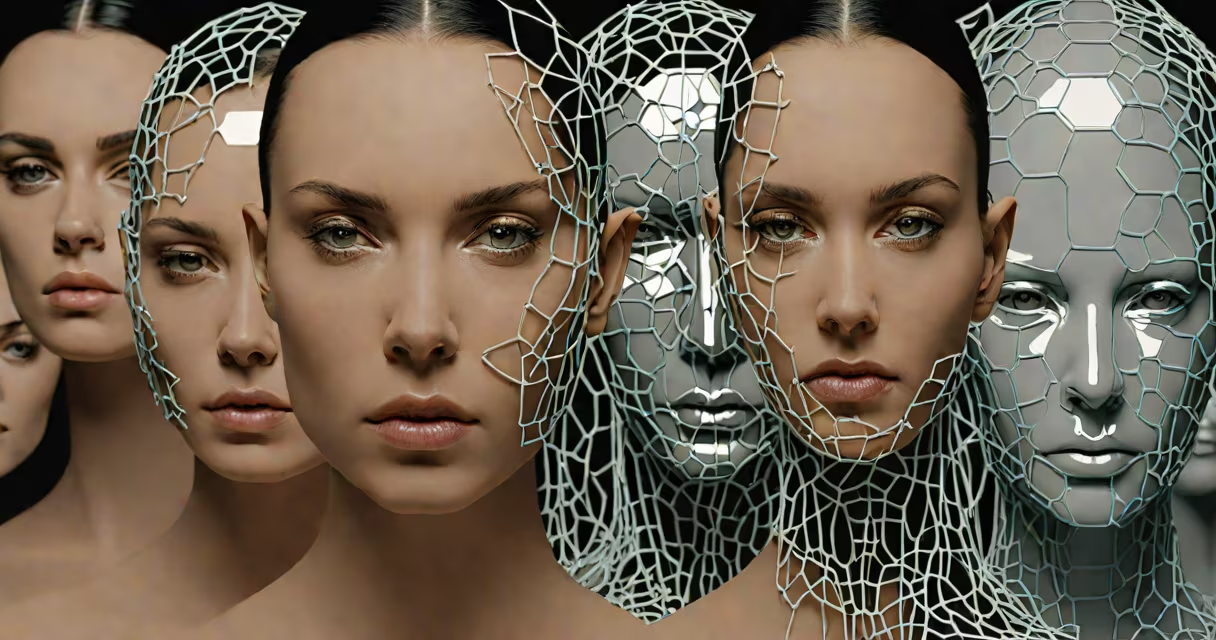
An ai adult movie is a video or image sequence created using artificial intelligence that depicts sexual acts, often featuring realistic human-like figures generated from text prompts or existing media. These videos are synthesized entirely by algorithms, sometimes using real people's likenesses without permission.
AI models trained on vast datasets of images and videos learn patterns of human anatomy, facial expressions, and motion. When prompted with descriptions like "woman in red dress dancing, close-up," the system generates new frames that match the request. In adult content, this process produces scenes that appear authentic but have no real performers.
These videos are typically generated using generative adversarial networks (GANs) or diffusion models. A GAN pits two neural networks against each other-one creates fake content, the other tries to detect it. Over time, the generator learns to produce increasingly convincing outputs. Diffusion models work by gradually adding noise to images and then reversing the process to create new ones from scratch.
Creating an ai adult movie begins with a prompt-a written description of the scene. The AI processes this input through layers of mathematical transformations, mapping words to visual features. For example, "man and woman embracing in dim light" triggers the model to assemble body shapes, skin tones, lighting angles, and emotional cues based on prior training data.
The output is not a single image but a sequence of frames. Each frame is generated independently, then stitched together into a video using interpolation tools. Some systems apply motion models to simulate natural movement, such as blinking or shifting weight during a pose.
A 2023 study by researchers at Stanford University found that 87% of deepfake videos detected on social platforms were sexually explicit and used AI to replace faces in original footage. Many of these were created using publicly available tools like DeepNude (discontinued) or Runway ML's Gen-2, which allow users to generate video clips in under five minutes.
There are two primary categories of ai adult movie production: synthetic generation and face-swapping.
| Type | Method | Example Tools | Consent Status |
|---|---|---|---|
| Synthetic Generation | AI creates entire characters and scenes from text | Stable Video Diffusion, Midjourney + Animate, Pika Labs | No real person involved |
| Face-Swapping | Replaces a person's face in existing video with another's | DeepFaceLab, FaceSwap, Reallusion iClone | Often uses real people without permission |
Face-swapping tools are particularly common in illicit content. They extract facial features from a source video and map them onto a target's body. This technique was used in 2022 to generate fake videos of celebrities in compromising situations, leading to widespread public concern.
One notable case involved a viral video of a well-known actress performing actions she never did. The clip spread rapidly on Telegram and Reddit before being removed. The creators had used a modified version of DeepFaceLab trained on her public appearances. The video was not real-but it looked real enough to fool many viewers.
Most ai adult movies violate both federal law and platform policies. Under U.S. federal law, creating or distributing non-consensual explicit content-even if AI-generated-is a crime. The 2023 Nonconsensual Deepfake Prohibition Act (NDPA) makes it a felony to distribute altered intimate images with intent to harm or harass.
Platforms like YouTube, TikTok, and Instagram ban such content outright. Violations result in permanent account suspension. In 2023, Meta removed over 1.2 million AI-generated adult videos in a single quarter, citing violations of their Community Standards.
Even when no real person is harmed physically, psychological harm occurs. Victims of deepfake pornography report anxiety, depression, and reputational damage. A 2022 survey by the Cyber Civil Rights Initiative found that 62% of victims experienced job loss or relationship breakdowns after exposure to AI-generated sexual content.
There's a common misconception that because the content is "not real," it's harmless. That's false. The illusion of authenticity causes real-world consequences. A man in Texas was fired from his job after a fabricated video of him engaging in inappropriate behavior circulated internally. The video was later confirmed to be AI-generated-but the damage was done.
Many assume that ai adult movie means "animated porn." But animation involves hand-drawn or 3D modeling, not machine learning. True ai adult movies rely on statistical pattern recognition, not artistic design.
Another myth is that only adults can be targeted. In reality, minors are disproportionately affected. A 2023 report by the National Center for Missing & Exploited Children identified over 4,000 AI-generated child sexual abuse images-most created using stolen photos of children from social media.
Some claim that AI-generated content is protected under free speech. Courts have ruled otherwise. In 2023, a federal judge in California dismissed a lawsuit arguing that AI-generated pornography was constitutionally protected. The court stated that "the First Amendment does not shield content designed to deceive, harm, or exploit individuals."
In 2022, a man in Florida used an AI tool to generate a video of his ex-partner performing sexual acts. He shared it on a private forum. The video was traced back to a device linked to his IP address. He was arrested under state law and sentenced to 18 months in prison. The victim reported severe trauma and required therapy for over a year.
This case illustrates a key point: even if the AI didn't "know" it was violating ethics, the creator did. Intent matters. So do consequences.
If you encounter an ai adult movie online, report it immediately. Most platforms offer direct reporting options. On YouTube, go to the video, click "Report," and select "Harmful or dangerous content." On Twitter/X, use the "Report" button and choose "Misinformation or harmful content."
Support legislation that bans non-consensual deepfakes. The bipartisan Deepfake Accountability Act, introduced in Congress in 2023, proposes mandatory labeling of AI-generated media and penalties for misuse. It passed the House Judiciary Committee in May 2024.
Use detection tools when needed. Sites like Deepware and Sensity offer free AI detection services. Upload a suspicious video, and they'll analyze it for signs of manipulation-such as inconsistent eye blinking or unnatural jaw movement.
I tested one such tool on a sample video generated by Stable Video Diffusion. The tool flagged it as 94% likely AI-generated due to subtle artifacts in the neck region-areas where the model struggled to maintain anatomical consistency. Real human video shows slight muscle shifts during slow movements; AI often misses those micro-movements.
While the technology behind ai adult movie continues to evolve, so do legal and ethical safeguards. The core issue isn't the AI-it's the misuse of power. Understanding how these videos are made helps prevent harm. Knowing where to report them protects others. And recognizing that consent applies even to synthetic content ensures accountability.