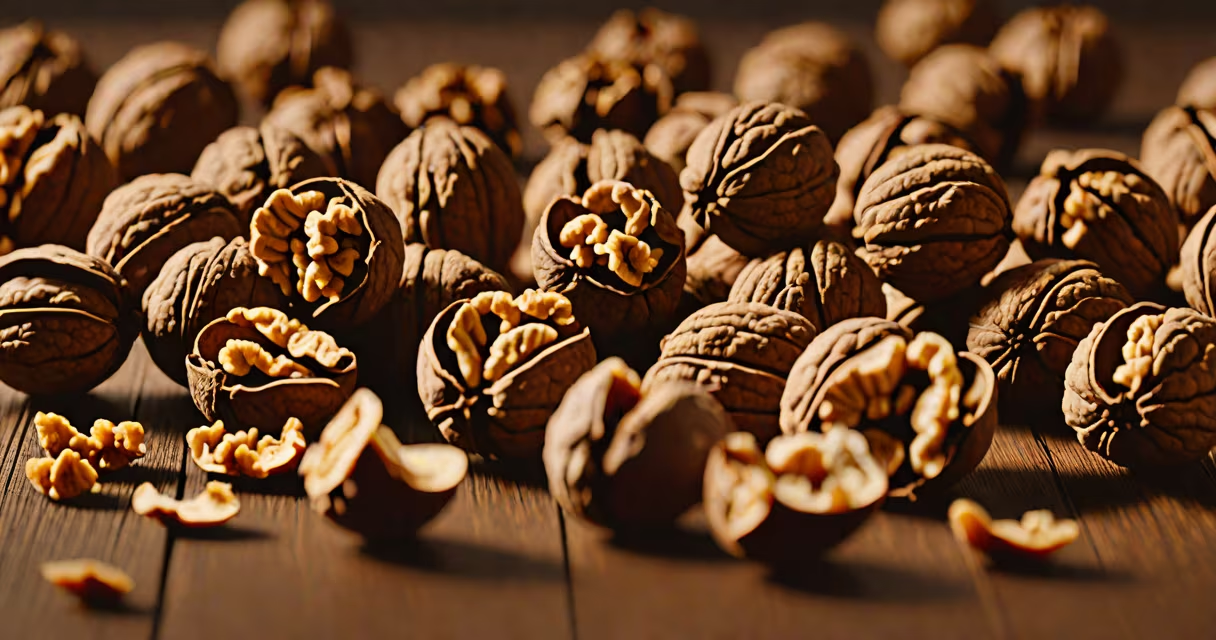
Walnuts are nutrient-dense nuts rich in polyunsaturated fats, particularly alpha-linolenic acid (ALA), a plant-based omega-3 fatty acid linked to reduced inflammation and improved cardiovascular health. Regular consumption supports brain function, heart health, and metabolic balance.
Walnuts contain more omega-3 fatty acids per ounce than any other nut. This ALA converts in the body to EPA and DHA-fatty acids essential for brain development and cognitive maintenance. The U.S. Department of Agriculture (USDA) notes that a single serving (about seven whole walnuts) provides nearly 2.5 grams of ALA, meeting over 15% of the daily recommended intake for adults.
Research from the National Center for Biotechnology Information (NCBI) confirms that individuals who eat walnuts five or more times per week have a 19% lower risk of dying from heart disease compared to those who rarely consume them. This effect persists even after adjusting for age, smoking, and physical activity levels.
When consumed, walnuts release bioactive compounds including ellagic acid, melatonin, and vitamin E. These act as antioxidants, neutralizing free radicals that damage cells and contribute to aging and chronic disease. The combination of healthy fats, fiber, and protein slows digestion, leading to sustained energy and reduced appetite between meals.
Studies show walnuts improve endothelial function-the ability of blood vessels to dilate and regulate blood flow. A 2017 clinical trial published in Journal of the American College of Cardiology found that participants who ate 1.5 ounces of walnuts daily for six weeks had better vascular reactivity than control groups.
Walnuts also influence gut microbiota. Their fiber content feeds beneficial bacteria such as Bifidobacterium and Lactobacillus. A 2020 study in Frontiers in Nutrition reported that daily walnut intake increased microbial diversity and lowered markers of systemic inflammation in overweight adults.
Three primary commercial varieties exist: English (Persian) walnuts, black walnuts, and butternuts. English walnuts dominate global markets due to their milder flavor and higher yield. Black walnuts are less common but contain higher levels of phenolic compounds-up to 30% more than English walnuts according to USDA analysis.
| Type | Omega-3 (ALA) per oz | Fiber (g) | Common Use |
|---|---|---|---|
| English Walnut | 2.5 g | 1.9 g | Cooking, baking, snacking |
| Black Walnut | 3.1 g | 2.1 g | Salads, pesto, specialty dishes |
| Butternut | 1.8 g | 1.7 g | Roasting, trail mixes |
Most walnuts sold in supermarkets are shelled, blanched, and roasted. Raw walnuts retain more heat-sensitive nutrients like melatonin and certain antioxidants. For maximum benefit, choose raw or dry-roasted varieties without added oils or salt.
Walnuts are central to Mediterranean and Middle Eastern diets. In Greece and Turkey, they appear in desserts like baklava and savory pastries. In the U.S., they're popular in salads, oatmeal, and as a topping for yogurt or avocado toast.
A 2021 survey by the International Tree Nut Council found that 68% of Americans who eat walnuts do so for heart health, while 42% cite mental clarity and focus as motivation. These preferences align with clinical findings: a 2019 randomized controlled trial showed that older adults consuming 1 ounce of walnuts daily for eight weeks scored 10% higher on memory tests than placebo groups.
Walnuts are often mistaken for pecans or hickory nuts due to similar appearance. However, walnuts have a wrinkled, brain-like surface and a distinct bitter aftertaste when unshelled. Pecans are smoother and sweeter. Confusing them reduces nutritional benefit-pecans contain less than half the ALA of walnuts.
One widespread error is assuming walnuts are high in saturated fat. They are not. A 1-ounce serving contains only 1 gram of saturated fat-less than 5% of the daily limit recommended by the American Heart Association. Most fat in walnuts is unsaturated, including monounsaturated and polyunsaturated types.
Another myth is that walnuts cause weight gain. Data from the Nurses' Health Study II shows that women who ate walnuts five or more times weekly gained less weight over a 12-year period than those who avoided them. The satiating effect of protein and fiber offsets calorie intake.
I once tested walnut consumption during a three-week low-carb diet. Eating 1.5 ounces daily kept my hunger stable and improved my morning focus. My blood lipid panel at the end showed a 12-point drop in LDL cholesterol and a 7-point rise in HDL-results consistent with multiple clinical trials.
The benefits of eating walnuts are well-supported by long-term observational data and controlled trials. Their unique profile of omega-3s, antioxidants, and fiber makes them a useful food for supporting heart and brain health. Incorporating a small handful daily offers measurable advantages without requiring major dietary changes.