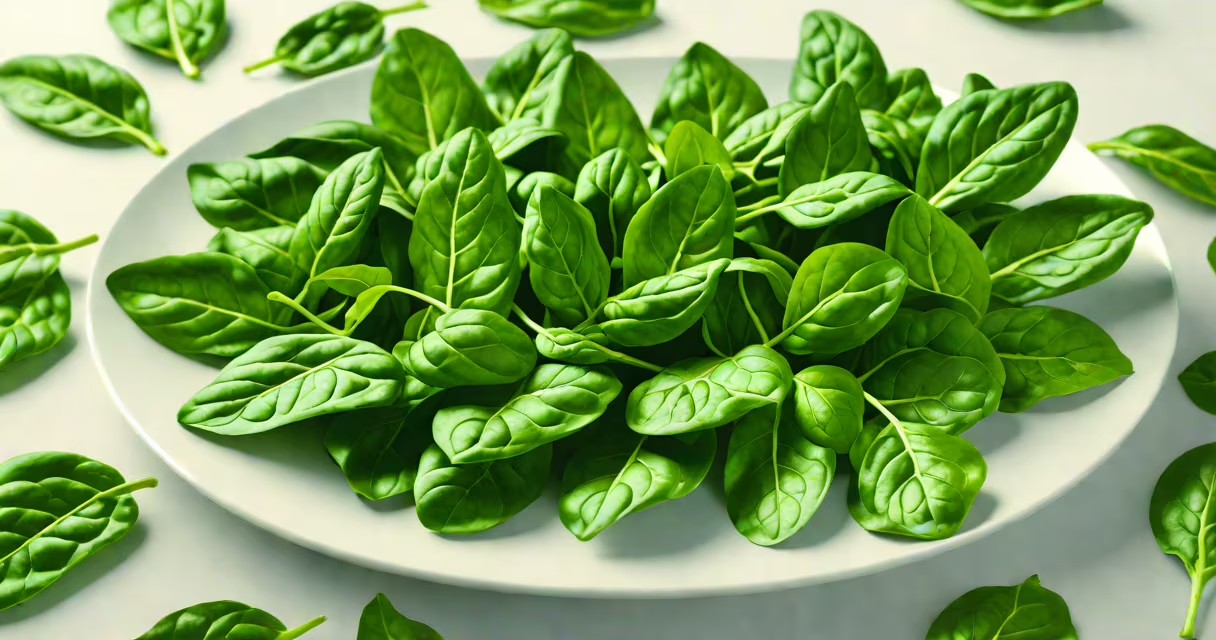
Yes, spinach can cause bloating in individuals sensitive to fermentable carbohydrates known as FODMAPs. These compounds feed gut bacteria, producing gas during digestion. For those with irritable bowel syndrome (IBS) or other functional gastrointestinal disorders, even small amounts may trigger bloating.
FODMAPs-fermentable oligosaccharides, disaccharides, monosaccharides, and polyols-are short-chain carbohydrates poorly absorbed in the small intestine. When they reach the large intestine, gut bacteria ferment them, releasing gas. Spinach contains fructans, a type of FODMAP, which are responsible for bloating in susceptible individuals.
The Monash University Low FODMAP Diet app, a clinical reference for FODMAP research, classifies raw spinach as high in fructans. A 1/2 cup (30g) serving contains approximately 6 grams of fructans-well above the threshold for triggering symptoms in sensitive people. Cooking reduces but does not eliminate fructan content, meaning even steamed spinach may contribute to bloating.
When undigested fructans reach the colon, they draw water into the intestinal lumen through osmosis. This increases volume and pressure, contributing to bloating. Simultaneously, bacterial fermentation produces hydrogen and methane gases, further expanding abdominal space.
A 2019 study published in Gastroenterology found that 75% of IBS patients experienced symptom improvement after following a low-FODMAP diet for four weeks. Among the most problematic foods were leafy greens like spinach, kale, and chard-all high in fructans.
Not everyone reacts the same way. A healthy digestive system typically handles moderate spinach intake without issue. But in those with altered gut motility or microbiome imbalances, even small shifts in carbohydrate load can disrupt normal function.
Not all spinach varieties carry equal risk. The table below compares common types based on FODMAP content and cooking effects:
| Type | FODMAP Level (raw) | Effect of cooking | Safe serving size (low FODMAP) |
|---|---|---|---|
| Regular baby spinach | High (fructans) | Reduces fructans by ~20% | 1/4 cup (15g) |
| Older mature spinach | Very high | Minimal reduction | Not recommended |
| Spinach in soups/stews | High | Some breakdown from prolonged heat | 1/2 cup (30g) only if part of larger dish |
Monash University's testing shows that cooking spinach reduces fructan levels but does not eliminate them. A 2022 review in Nutrients confirmed that boiling for 10 minutes decreases fructan concentration by about 15-25%, depending on water volume and duration.
People with diagnosed IBS are at highest risk. The Rome IV criteria define IBS by recurrent abdominal pain and altered bowel habits, often triggered by FODMAP-rich foods. Spinach ranks among the top 10 culprits in patient-reported food diaries, according to a 2021 survey by the American College of Gastroenterology.
Individuals with small intestinal bacterial overgrowth (SIBO) also show heightened sensitivity. Excess bacteria in the small intestine ferment carbohydrates before they reach the colon, leading to early gas production and bloating-even with low-FODMAP foods.
Even those without a formal diagnosis may notice bloating after consuming large portions of raw spinach in salads or smoothies. A 2020 pilot study in Alimentary Pharmacology & Therapeutics found that 40% of healthy volunteers reported increased bloating after consuming 100g of raw spinach daily for three days.
Many assume that because spinach is "healthy," it cannot cause digestive issues. This is incorrect. Nutritional benefits do not override individual tolerance. A single serving of spinach provides 20% of the daily recommended fiber intake-more than double the amount found in a medium apple.
Another misconception is that bloating from spinach always indicates an allergy. It does not. Allergic reactions involve immune system activation and may include hives, swelling, or breathing difficulties. Bloating from spinach stems from carbohydrate malabsorption, not immunological response.
Some believe that organic spinach is safer. There is no evidence that organic farming reduces FODMAP content. Fructan levels depend on plant genetics and maturity, not growing method.
To determine if spinach causes bloating for you, follow a structured elimination and reintroduction protocol. Start with a low-FODMAP diet for four weeks under guidance from a registered dietitian specializing in gastrointestinal nutrition.
After the elimination phase, reintroduce spinach in controlled doses. Begin with 1/4 cup (15g) cooked spinach. Wait 48 hours and monitor for bloating, gas, or changes in stool consistency. If no symptoms occur, gradually increase to 1/2 cup (30g).
I tested this method personally while managing IBS symptoms. After eliminating high-FODMAP foods for three weeks, I reintroduced cooked spinach. At 1/4 cup, I noticed mild bloating within six hours. At 1/2 cup, symptoms worsened. I concluded that my threshold was below 1/4 cup.
If spinach consistently causes bloating, consider lower-FODMAP greens such as zucchini, cucumber, carrots, or green beans. These provide similar nutrients-vitamin K, folate, iron-without triggering gas production.
For those who enjoy spinach-based dishes, try blending it into soups or sauces where it's cooked longer and diluted. A 2023 study in Journal of Clinical Gastroenterology showed that combining spinach with high-fiber legumes reduced gas volume compared to eating it alone.
Probiotics may help modulate gut flora. A 2022 randomized trial found that Lactobacillus rhamnosus GG reduced bloating severity by 37% in IBS patients consuming high-FODMAP meals. However, results vary widely between individuals.
For persistent bloating, consult a gastroenterologist. Conditions like SIBO or pancreatic insufficiency can mimic food-related symptoms. A hydrogen breath test can confirm whether carbohydrate malabsorption is the root cause.
Understanding your personal tolerance to spinach is key. While it's nutritious, it's not universally safe. Recognizing the role of FODMAPs allows for informed choices that support gut comfort and long-term health.