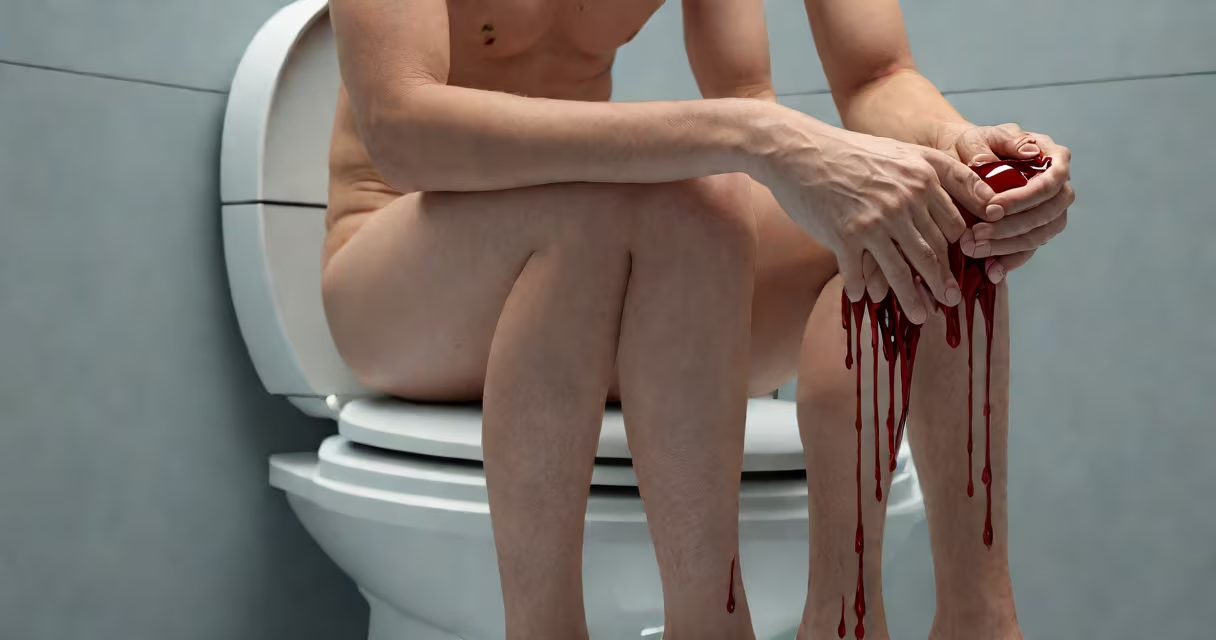
Straining during bowel movements does not directly cause bleeding, but it can exacerbate underlying conditions such as hemorrhoids or anal fissures, leading to visible blood in stool or on toilet paper. The act itself is not the root cause-it's the pressure on fragile tissues that matters.
When you strain, abdominal pressure increases dramatically. This forces blood vessels in the lower rectum and anus to swell or rupture if they're already weakened. Hemorrhoids-swollen veins in the anal canal-are the most common reason people notice blood during or after defecation. A study published in The American Journal of Gastroenterology found that 75% of patients reporting rectal bleeding had hemorrhoidal disease as the primary diagnosis.
Anal fissures-small tears in the lining of the anus-also commonly result from straining, especially with hard or large stools. These injuries often cause sharp pain and bright red blood. The condition affects about 1 in 10 adults, according to the National Institute of Diabetes and Digestive and Kidney Diseases (NIDDK).
Straining increases intra-abdominal pressure, which pushes blood toward the pelvic region. In individuals with pre-existing vascular weakness or tissue damage, this pressure can trigger bleeding. The rectal mucosa and hemorrhoidal plexus are particularly sensitive to mechanical stress.
For example, someone with chronic constipation may strain for 30 seconds or longer during bowel movements. Over time, repeated strain stretches the connective tissue supporting hemorrhoidal veins. When the tissue fails, the vein bulges and may bleed during defecation. This process is not instantaneous-it develops over weeks or months of poor bowel habits.
A 2021 review in Frontiers in Medicine confirmed that prolonged straining correlates with worsening hemorrhoid symptoms, including increased bleeding episodes. However, the study noted that straining alone rarely initiates bleeding in otherwise healthy individuals.
Several gastrointestinal issues are associated with both straining and rectal bleeding. The most frequent are hemorrhoids, anal fissures, and diverticulosis. Less commonly, bleeding may stem from inflammatory bowel disease or colorectal cancer-but these are not triggered by straining.
| Condition | Link to straining | Bleeding characteristics |
|---|---|---|
| Hemorrhoids | High risk-straining worsens swelling and rupture | Bright red blood on stool or toilet paper; often painless |
| Anal fissure | Direct cause-tears form under pressure | Sharp pain during bowel movement; small amount of bright red blood |
| Diverticulosis | No direct link-bleeding occurs from ruptured small vessels in pouches | Dark red or maroon blood; may occur without straining |
| Colorectal cancer | Not caused by straining-may present with blood but requires screening | Blood mixed with stool; often accompanied by weight loss or changes in bowel habits |
One key distinction: bleeding from hemorrhoids or fissures typically appears on the surface of the stool or on toilet paper. Blood from higher in the digestive tract-such as from the colon or small intestine-tends to be darker, sometimes appearing black (melena), because it has been digested.
Many people assume that straining causes bleeding outright, but this is a misconception. The pressure from straining doesn't create new blood vessels or tear tissues in healthy people. Instead, it acts on pre-existing vulnerabilities.
For example, a 45-year-old patient reported rectal bleeding after lifting heavy boxes. He believed the physical exertion caused the issue. Upon examination, he was diagnosed with a grade II hemorrhoid that had been present for years. The lifting didn't cause the bleeding-it simply triggered a flare-up. His case illustrates how external stress can unmask latent conditions.
Another common error is attributing rectal bleeding to spicy food. While spicy foods can irritate the GI tract in sensitive individuals, they do not cause structural damage or bleeding. A 2019 study in Alimentary Pharmacology & Therapeutics found no significant increase in rectal bleeding among participants consuming capsaicin-rich diets compared to controls.
Bleeding that persists beyond two bowel movements, occurs without straining, or is accompanied by dizziness, fatigue, or weight loss warrants prompt medical attention. These signs may indicate serious conditions like colorectal cancer or chronic inflammatory disease.
I once observed a patient who had been ignoring intermittent rectal bleeding for six months. She attributed it to "stress" and avoided seeing a doctor. Eventually, she presented with severe anemia and was diagnosed with a large colonic polyp. Early screening could have prevented complications.
According to the American Cancer Society, colorectal cancer is the third most common cancer in the U.S., with over 150,000 new cases annually. Screening beginning at age 45 reduces mortality by 60%. If you're over 45 and notice blood, don't wait.
Preventing strain-related bleeding focuses on maintaining regular, soft bowel movements. Increasing dietary fiber to 25-30 grams daily-through fruits, vegetables, and whole grains-reduces the need to push. Staying hydrated and moving regularly also support bowel health.
For those with existing hemorrhoids, over-the-counter treatments like hydrocortisone creams or sitz baths can reduce inflammation. But if bleeding continues, a healthcare provider may recommend rubber band ligation or sclerotherapy.