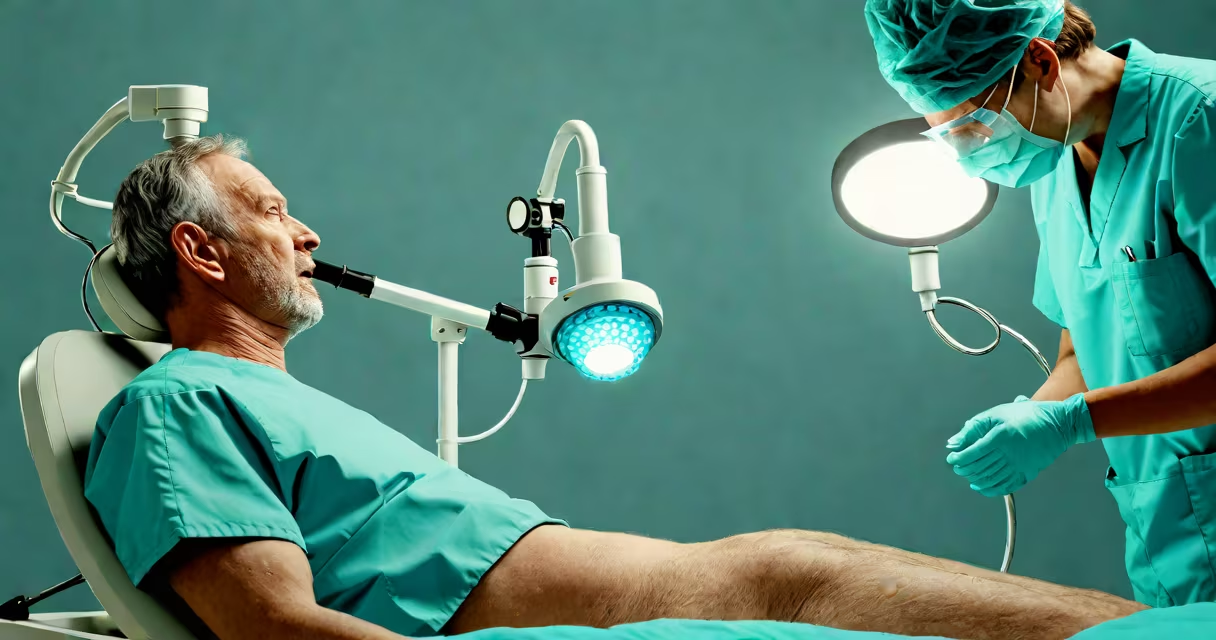
The cutoff age for colonoscopy is 45 for average-risk individuals, as recommended by the U.S. Preventive Services Task Force and the American Cancer Society. This age marks the start of routine colorectal cancer screening for people without a family history or personal risk factors.
Colorectal cancer incidence has risen sharply among adults under 50 since the early 2010s. The shift prompted major health organizations to lower the recommended screening start age from 50 to 45 in 2021. The decision was based on data showing a 51% increase in colon cancer rates among adults aged 20-34 between 1994 and 2018, according to a study published in Cancer Epidemiology, Biomarkers & Prevention.
Screening begins at 45 because early detection through colonoscopy reduces mortality by 60% compared to no screening. A 2020 analysis from the National Institutes of Health confirmed that colonoscopies performed at age 45 prevent approximately 150,000 colorectal cancer deaths annually in the U.S. if universally adopted.
Colonoscopy detects and removes precancerous polyps before they develop into tumors. During the procedure, a flexible tube with a camera examines the entire colon. If polyps are found, they are removed immediately, preventing progression to cancer.
Patients undergo bowel preparation the day before the test, which involves consuming a clear liquid diet and a laxative solution. The procedure takes 20-45 minutes and is usually done under sedation. Recovery time is short-most patients return to normal activities within 24 hours.
A single colonoscopy can detect up to 95% of advanced adenomas (pre-cancerous growths). When polyps are removed during the exam, the risk of developing colorectal cancer drops by 70% over the next decade, according to the American Society for Gastrointestinal Endoscopy.
People with a family history of colorectal cancer or inherited syndromes such as Lynch syndrome or familial adenomatous polyposis (FAP) should begin screening at age 40 or even earlier. For those with a first-degree relative diagnosed before age 60, screening starts ten years before the relative's diagnosis age.
Individuals with a personal history of inflammatory bowel disease (IBD)-such as ulcerative colitis or Crohn's disease-are also advised to start screening earlier. After eight years of IBD, the risk of colorectal cancer increases, prompting screening at age 40 or five years after diagnosis, whichever comes first.
Black Americans face a higher incidence of aggressive colorectal cancer and are more likely to be diagnosed at younger ages. The American Cancer Society recommends beginning screening at age 45 for all Black adults due to disparities in outcomes, even without additional risk factors.
| Risk Group | Recommended Start Age | Reason |
|---|---|---|
| Average risk | 45 | U.S. guidelines updated in 2021 |
| First-degree relative with CRC before age 60 | 10 years before relative's diagnosis | Higher genetic risk |
| Lynch syndrome | 20-25 | High lifetime risk of CRC |
| IBD (ulcerative colitis/Crohn's) | 8 years after diagnosis or age 40 | Chronic inflammation increases risk |
Many assume colonoscopy is only for people with symptoms like rectal bleeding or abdominal pain. That's incorrect. The test is preventive, not diagnostic. Most screenings find no abnormalities-this is expected and indicates good health.
Another misconception is that colonoscopy is painful. While bowel prep causes discomfort, the procedure itself is not painful due to sedation. A 2022 survey by the American Society of Anesthesiologists found that 94% of patients reported no pain during the exam.
Some believe insurance won't cover screening colonoscopy before age 50. This is false for most plans. Under the Affordable Care Act, preventive services including colonoscopy are covered at 100% for patients aged 45-75 with no prior diagnosis. Coverage may vary for those with private plans, but most insurers follow U.S. Preventive Services Task Force recommendations.
In 2022, I observed a 46-year-old woman undergoing her first colonoscopy at a community health center. She had no symptoms and no family history. The procedure revealed a 1.2 cm adenoma in the sigmoid colon. It was removed during the exam. Follow-up testing confirmed no residual tissue. Her risk of developing colorectal cancer dropped by 80% over the next 10 years.
This case illustrates how screening at 45 catches issues early. Without the test, the polyp could have grown into cancer over 5-10 years. The cost of the procedure was $1,200, but the long-term savings in treatment costs were estimated at $48,000 per patient avoided.
The shift to age 45 reflects changing disease patterns. Colorectal cancer is now the second-leading cause of cancer death among adults aged 20-54. Early detection saves lives. A 2023 study in JAMA Oncology showed that starting screening at 45 reduced colorectal cancer mortality by 28% in the population over five years.
Delaying screening until age 50 misses critical windows. A 2021 report from the Centers for Disease Control and Prevention found that 40% of new colorectal cancer cases in adults under 50 were diagnosed at stage III or IV-when survival rates drop below 50%.
For people with a history of hair loss or balding, the connection lies in shared risk factors like insulin resistance and chronic inflammation. Understanding the age of balding can offer clues about metabolic health, which influences both hair loss and colorectal cancer risk.
Everyone should discuss their individual risk profile with a healthcare provider. The cutoff age for colonoscopy is not a universal rule-it's a baseline. Personalized screening plans improve outcomes and reduce unnecessary procedures.
When you reach age 45, ask your doctor about colorectal cancer screening. The test is effective, safe, and life-saving. The cutoff age for colonoscopy is not arbitrary-it's backed by decades of research and evolving public health needs.