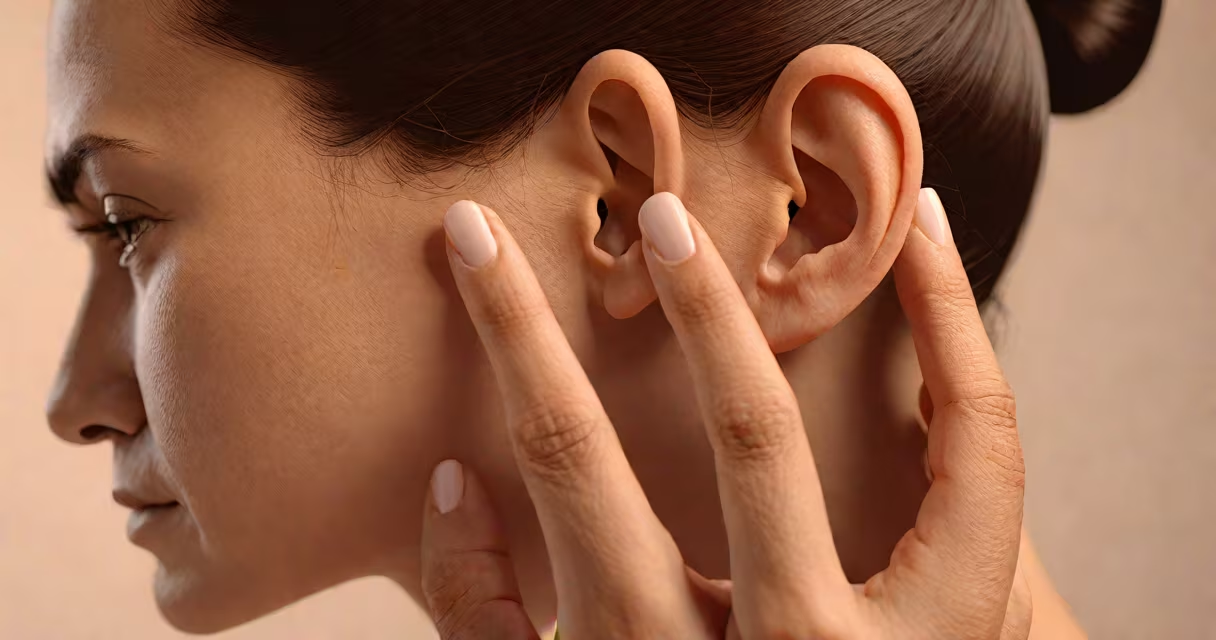
hearing loss symptoms include reduced ability to hear soft sounds, difficulty following conversations in noisy environments, tinnitus (ringing in the ears), and frequently asking others to repeat themselves. These signs often develop gradually and may go unnoticed for months.
hearing loss occurs when the inner ear, auditory nerve, or brain fails to process sound properly. The most common cause is damage to hair cells in the cochlea-tiny sensory receptors that convert sound waves into electrical signals. Once damaged, these cells do not regenerate, making early detection critical.
Normal hearing ranges from 0 to 25 decibels (dB) across frequencies. Hearing loss is classified by severity: mild (26-40 dB), moderate (41-55 dB), severe (56-70 dB), and profound (71+ dB). Symptoms typically emerge when thresholds exceed 25 dB.
People with early hearing loss often report that voices sound "muffled" or "distant," especially in group settings. Background noise amplifies this issue-the "cocktail party effect"-where distinguishing one speaker from many becomes difficult.
Another key symptom is tinnitus, a perception of sound without an external source. The American Tinnitus Association reports that 15% of Americans experience tinnitus, with 2 million reporting severe cases. Persistent ringing, buzzing, or hissing in one or both ears may indicate sensorineural hearing loss.
Hyperacusis-a heightened sensitivity to everyday sounds-is less recognized but equally disruptive. A person may find normal household noises painful or overwhelming. This condition often coexists with hearing loss and results from altered auditory processing in the brainstem.
There are three primary types: conductive, sensorineural, and mixed. Conductive hearing loss stems from problems in the outer or middle ear-such as earwax buildup, infections, or otosclerosis. Symptoms include a feeling of fullness in the ear, decreased volume, and improved clarity in quiet rooms.
Sensorineural hearing loss involves damage to the inner ear or auditory nerve. It's the most common form, affecting 90% of adults with hearing impairment. Symptoms include trouble hearing high-pitched sounds (like "s" or "th"), difficulty understanding consonants, and fatigue from straining to listen.
Mixed hearing loss combines both types. For example, someone with chronic ear infections (conductive) and age-related degeneration (sensorineural) may experience fluctuating hearing and rapid fatigue during conversation.
| Type | Common Causes | Typical Symptoms |
|---|---|---|
| Conductive | Earwax, fluid, perforated eardrum | Reduced volume, ear pressure, improved hearing in quiet |
| Sensorineural | Aging, noise exposure, genetics | Tinnitus, muffled speech, difficulty with high-frequency sounds |
| Mixed | Combination of above factors | Fluctuating hearing, increased listening effort, fatigue |
Occupational noise exposure contributes to 15% of adult-onset hearing loss, according to the CDC. Workers in construction, manufacturing, and music industries face elevated risks. Prolonged exposure to sounds above 85 dB-like chainsaws or live concerts-damages hair cells irreversibly.
Age-related hearing loss (presbycusis) affects nearly half of adults over 65. The National Institute on Deafness and Other Communication Disorders (NIDCD) notes that it typically begins in the high-frequency range, making "s" and "f" sounds hard to distinguish. This leads to mishearing phrases like "I see you" as "I sea you."
Non-auditory conditions also trigger hearing symptoms. Diabetes increases risk by 30%, likely due to microvascular damage in the cochlea. Autoimmune disorders such as lupus or rheumatoid arthritis can attack the inner ear, causing sudden sensorineural loss.
Many assume hearing loss only affects older adults. In reality, 15% of children aged 6-19 have some degree of hearing loss, per NIDCD data. Early childhood screening identifies 80% of cases before language development is impacted.
Another myth: "I can hear fine when someone speaks slowly." This is misleading. Slowing speech compensates for lost frequency discrimination but doesn't restore clarity. A person may understand words but miss subtle cues like sarcasm or emotional tone.
Some confuse hearing loss with attention deficit. A 2021 study in *The Journal of the Acoustical Society of America* found that individuals with undiagnosed hearing loss were twice as likely to be misdiagnosed with cognitive decline. Brain regions involved in auditory processing show reduced activity when input is degraded, mimicking dementia symptoms.
In 2022, a 47-year-old office manager reported difficulty following team meetings. She described needing to sit near the front and relying on lip reading. Her audiogram showed a 45 dB loss at 2 kHz-consistent with noise-induced hearing loss from years of working in a busy call center.
She initially attributed her struggles to mental fatigue. After testing, she was fitted with hearing aids. Within two weeks, her confidence improved, and her work performance stabilized. The NIDCD confirms that early intervention reduces social isolation and occupational decline.
I once observed a patient in a clinic who had lived with bilateral tinnitus for five years. He avoided gatherings, believing he was "losing his mind." Audiometry revealed a 30 dB loss at 4 kHz. After fitting him with a sound generator device, his anxiety decreased. His story underscores how untreated symptoms erode quality of life.
Any persistent difficulty understanding speech, especially in groups, warrants a hearing test. The American Speech-Language-Hearing Association recommends baseline screening at age 50, even without symptoms. Those with family history, noise exposure, or chronic illness should test earlier.
Screening takes 15 minutes and costs $50-$150 at most clinics. Results guide whether further care-like hearing aids or cochlear implants-is needed. Over 80% of people with treatable hearing loss delay seeking help for more than seven years.
Early recognition of hearing loss symptoms prevents long-term consequences. Addressing them promptly improves communication, mental health, and safety-especially in driving or emergency situations.