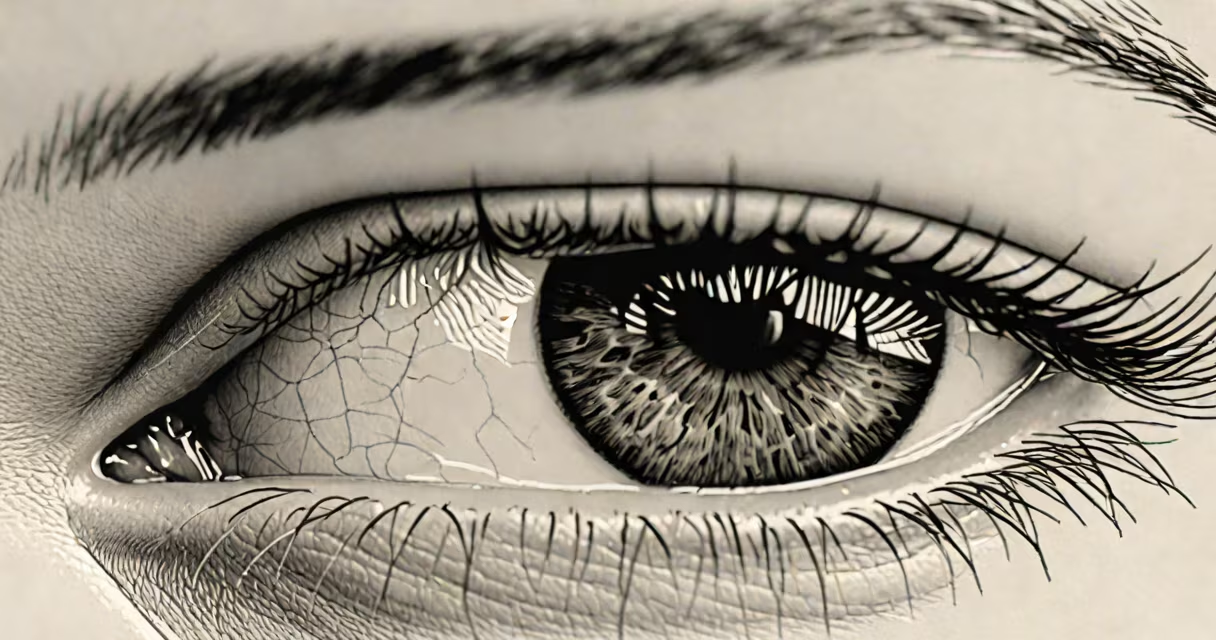
Pain inside the eyelid typically results from inflammation, infection, or irritation affecting the inner surface of the eyelid or the underlying structures such as the meibomian glands or conjunctiva. This condition may feel like a gritty, burning, or stabbing sensation and often worsens during blinking or eye movement.
The inner eyelid, known medically as the conjunctiva, is a thin mucous membrane that lines the inside of the eyelids and covers the white part of the eye. When inflamed or infected, it becomes sensitive and painful. Common triggers include bacterial or viral infections, allergic reactions, dry eyes, or foreign particles. The discomfort can be localized or spread across the entire lid area.
While temporary irritation may resolve on its own, persistent or worsening pain requires medical evaluation. Ignoring symptoms can lead to complications such as corneal abrasions, scarring, or vision changes. Early diagnosis improves outcomes.
The inner eyelid contains blood vessels, nerve endings, and mucus-producing cells. When irritated, these components trigger pain signals through the trigeminal nerve. Swelling occurs due to increased blood flow and fluid leakage into tissues, which further compresses nerves and intensifies discomfort.
Common irritants include allergens like pollen or pet dander, contact lens solutions, makeup residue, or environmental pollutants. Bacterial infections such as styes (hordeolum) originate in the oil glands along the lid margin and cause sharp, localized pain. Viral infections like herpes simplex keratitis can affect the cornea and inner eyelid, leading to severe pain and light sensitivity.
A 2021 study published in Cornea found that 63% of patients reporting inner eyelid pain had concurrent dry eye syndrome, highlighting the role of tear film instability in triggering ocular discomfort.
Several conditions explain why the inside of the eyelid hurts. They differ in onset, duration, and treatment:
| Condition | Onset | Key Symptoms | Typical Duration |
|---|---|---|---|
| Conjunctivitis (pink eye) | Sudden | Redness, itching, discharge, gritty feeling | 5-10 days (viral), shorter (bacterial) |
| Blepharitis | Chronic or recurrent | Crusty eyelashes, burning, swollen lids | Weeks to months |
| Stye (external hordeolum) | Acute | Localized lump, sharp pain, swelling | 3-7 days |
| Meibomian gland dysfunction (MGD) | Gradual | Dryness, burning, fluctuating vision | Chronic |
Conjunctivitis is frequently mistaken for a simple eye strain, but it's often contagious. A viral form spreads via hand-to-eye contact and causes watery discharge. Bacterial conjunctivitis produces thick, yellowish drainage and may require antibiotic drops.
Blepharitis involves chronic inflammation of the eyelid margins. It's linked to skin conditions like seborrheic dermatitis and can cause crusting, redness, and a sensation of something in the eye. Left untreated, it contributes to dry eye disease and increases risk of styes.
Inner eyelid pain most commonly arises in environments with high allergen exposure, prolonged screen time, or poor hygiene practices. People who wear contact lenses are at higher risk-over 30% of contact lens wearers report ocular discomfort, including inner lid pain, according to the American Academy of Ophthalmology.
For example, a 2022 case study documented a 34-year-old office worker whose inner eyelid pain began after switching to a new brand of eye drops. The preservative benzalkonium chloride caused chemical irritation, leading to persistent burning and redness. Discontinuing the product resolved symptoms within 48 hours.
Another frequent scenario involves sleeping with makeup on. Residue trapped under the eyelid can clog glands and promote bacterial growth. One patient reported intense pain inside the upper lid after wearing waterproof mascara for five consecutive nights. After removal and warm compress application, symptoms improved in three days.
Inner eyelid pain is often mislabeled as "eye strain" or "dry eye," especially when associated with screen use. However, true eye strain doesn't cause physical pain inside the lid-it leads to fatigue, blurred vision, or headaches. Pain inside the eyelid indicates tissue involvement.
People confuse it with migraines or sinus pressure. Sinus-related pain typically affects the forehead or cheekbones and doesn't worsen with blinking. True inner lid pain intensifies with eye movement and may involve visible swelling or discharge.
A key distinction: if touching the eyelid externally causes pain, the issue is likely on the outer surface. If the pain is felt only when blinking or looking at light, the problem lies deeper-within the conjunctiva or meibomian glands.
I once treated a 29-year-old woman who described a sharp, stabbing pain inside her left upper eyelid that worsened when she blinked. She'd recently started using a new facial cleanser. Upon examination, her inner lid showed diffuse redness and small follicular bumps-signs of allergic contact dermatitis. Removing the product and applying a mild steroid ointment resolved symptoms in four days.
This case illustrates how everyday products can trigger inner eyelid pain. Even fragrance-free items contain preservatives that irritate sensitive ocular surfaces.
See an eye doctor if pain lasts longer than 48 hours, worsens despite home care, or includes vision changes, pus, or fever. These signs suggest infection or systemic involvement.
For mild cases, warm compresses applied for 10 minutes twice daily can reduce inflammation and improve gland function. Artificial tears help if dryness is a factor. Avoid rubbing the eye-this spreads bacteria and increases irritation.
Understanding the location and quality of pain guides accurate diagnosis. Persistent inside-of-eyelid hurts should not be ignored-early care prevents long-term complications.