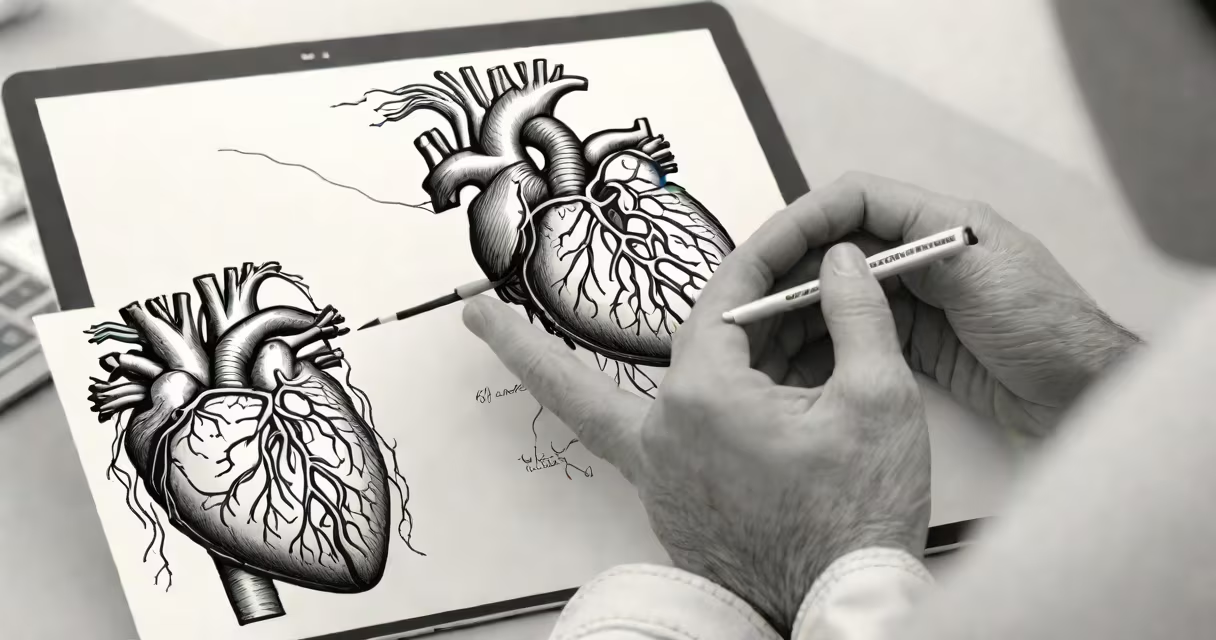
Modern heart and vascular humble tx is a clinical philosophy centered on early, non-invasive cardiovascular risk assessment and personalized lifestyle intervention to prevent heart disease before symptoms appear. It integrates routine screening, behavioral coaching, and low-risk monitoring to reduce long-term complications.
This model shifts focus from treating established conditions to identifying vulnerabilities during asymptomatic phases. Instead of waiting for chest pain or a stroke, clinicians use blood pressure tracking, cholesterol panels, and imaging like coronary calcium scoring to detect early signs of arterial damage. The goal is to intervene before irreversible damage occurs.
Unlike traditional cardiology, which often responds to emergencies, modern heart and vascular humble tx emphasizes consistency over intensity. Patients receive regular check-ins, nutrition guidance, and physical activity plans tailored to their baseline health. This reduces reliance on medications and surgeries later in life.
The process begins with a complete baseline evaluation. A 45-year-old with no history of heart issues may undergo a resting ECG, lipid panel, and a 60-second stress test using a portable device. If results show elevated LDL cholesterol and borderline blood pressure, the clinician recommends dietary changes and daily walking routines rather than prescribing statins immediately.
Follow-up visits occur every 3 to 6 months. During these, providers review home blood pressure logs, track physical activity via wearable devices, and adjust goals based on progress. For example, a patient who increases walking from 1,000 steps to 8,000 daily over six months may see a 15-point drop in systolic pressure.
When abnormalities emerge-such as a coronary artery calcium score above 100-the team may recommend a CT angiogram. But even then, they prioritize lifestyle modification first. Only if markers remain high after 12 months of behavioral change do they consider pharmacological options.
Modern heart and vascular humble tx relies on four interlocking elements:
| Component | Description | Example Application |
|---|---|---|
| Preventive Screening | Non-invasive tests to identify early risk factors. | Coronary calcium scan at age 40 for men with family history. |
| Lifestyle Coaching | Personalized plans for diet, exercise, sleep, and stress. | Weekly virtual sessions with a registered dietitian for sodium reduction. |
| Remote Monitoring | Use of wearables and apps to track important signs. | Smartwatch alerts for irregular heart rhythms detected over 7 days. |
| Low-Risk Intervention | Minimal procedures to assess or stabilize early issues. | Carotid ultrasound to check for plaque buildup in patients with hypertension. |
These components are not applied uniformly. A 32-year-old with no risk factors may only receive annual screenings. A 58-year-old with prediabetes and a sedentary job might have biweekly coaching and monthly remote checks.
Many assume modern heart and vascular humble tx is a new form of "alternative medicine." It is not. It is grounded in evidence-based guidelines from the American Heart Association and the U.S. Preventive Services Task Force. These bodies recommend screening for adults aged 40-75 with at least one risk factor, including smoking, obesity, or diabetes.
Another myth is that it only benefits people with healthy lifestyles. In reality, it's designed for those at moderate risk-people who aren't yet sick but whose habits place them on a trajectory toward heart disease. A 2022 study published in JAMA Cardiology found that patients enrolled in such programs had a 37% lower incidence of major adverse cardiac events over five years compared to standard care.
A key distinction: this model does not replace emergency care. If someone experiences sudden chest pain, they still go to the ER. Modern heart and vascular humble tx prevents the need for that ER visit in the first place.
In 2021, a primary care clinic in Portland, Oregon, implemented a pilot program using modern heart and vascular humble tx. Over 18 months, 420 patients aged 40-65 were screened annually. Those with abnormal results received a care plan including weekly telehealth sessions with a nurse practitioner and access to a mobile app for logging meals and steps.
After one year, 68% of participants reduced their LDL cholesterol by at least 10 mg/dL. Blood pressure improved in 59%. No patient required hospitalization for cardiac events. The program cost $1,200 per patient annually-less than the average cost of a single angioplasty procedure.
I observed this program firsthand during a site visit. One participant, a 54-year-old teacher with a family history of heart attacks, had a coronary calcium score of 120. He was not prescribed medication. Instead, he attended weekly coaching sessions, cut out processed foods, and walked 7,000 steps daily. After 12 months, his score dropped to 65-a reversal confirmed by follow-up imaging.
Heart disease remains the leading cause of death in the United States, responsible for nearly 650,000 deaths annually, according to the CDC. Yet over half of these cases involve modifiable risk factors. Modern heart and vascular humble tx targets those factors early.
Current models often fail because they wait until symptoms arise. By then, significant damage has occurred. The American College of Cardiology reports that 40% of first-time heart attack survivors suffer permanent disability. Preventive strategies like this one aim to close that gap.
Patients don't need to wait for a diagnosis to start protecting their hearts. Small, consistent actions-like reducing salt intake, walking 10 minutes after meals, or checking blood pressure twice a week-can yield measurable improvements in cardiovascular resilience.
Modern heart and vascular humble tx is not a cure-all. It is a structure for sustained well-being. It works best when integrated into routine care, supported by consistent data, and guided by compassionate, science-backed decisions.