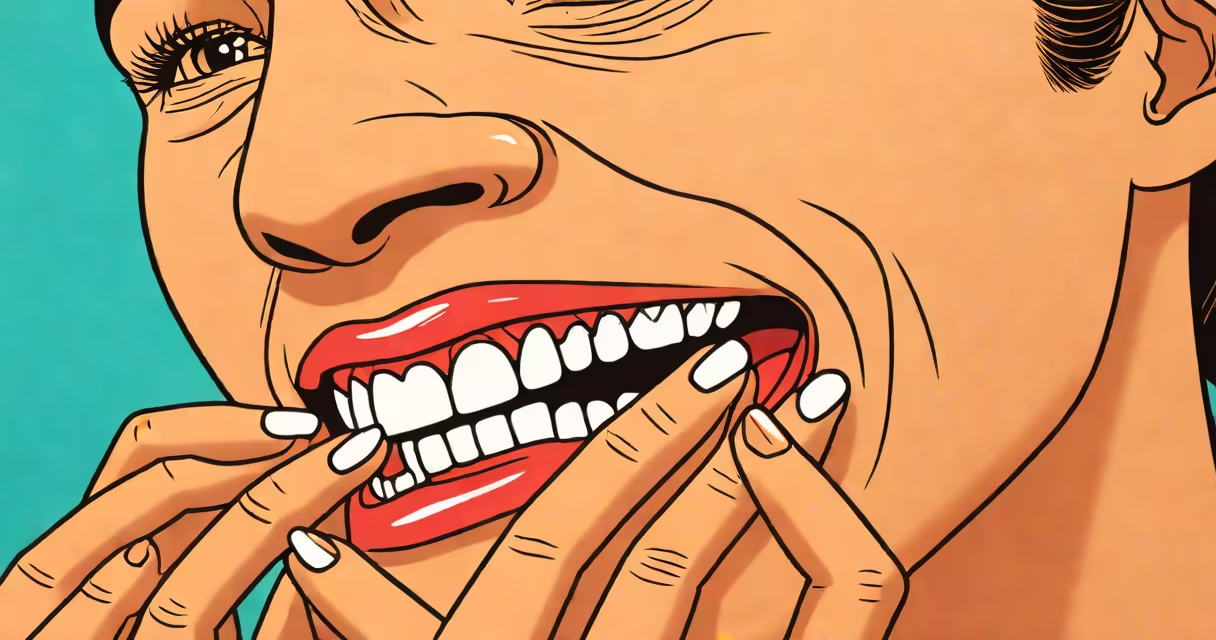
Experiencing tooth pain without signs of decay means the discomfort arises from conditions affecting nerves, gums, or tooth structure-not from a cavity. This pain may persist despite clean X-rays and healthy-looking enamel.
Tooth pain without decay often stems from hidden or structural issues. The tooth's outer layer-enamel-can remain intact while deeper layers like dentin or the pulp become irritated. Pressure, temperature changes, or microfractures can trigger signals to the brain that feel like sharp pain, even when no cavity exists.
Common culprits include cracked teeth, worn enamel, gum recession, sinus pressure, or referred pain from nearby structures. A 2021 study in the Journal of Endodontics found that 37% of patients reporting persistent tooth pain had no radiographic evidence of decay, highlighting how pain doesn't always correlate with visible damage.
Pain signals originate in nerve endings within the tooth's pulp. When these nerves are exposed or inflamed, they fire impulses interpreted by the brain as pain-even if the tooth surface appears normal. This happens because nerves don't register "decay" directly-they respond to stimuli like cold, heat, pressure, or inflammation.
For example, a small crack in a molar may not show on an X-ray but can allow bacteria or fluid to reach the pulp. This triggers inflammation and swelling, leading to throbbing pain when chewing or drinking cold liquids. The tooth may look fine under a mirror, but the internal structure is compromised.
Another mechanism involves gum recession. As gums pull away from teeth, root surfaces-normally protected-become exposed. These roots lack enamel and contain tiny tubules connected to nerve endings. Cold drinks or brushing can send sharp jolts through the nerve, causing pain without any cavity.
Several distinct conditions cause pain without visible decay. Understanding the differences helps identify the correct treatment path.
| Condition | Key Signs | Why It Causes Pain |
|---|---|---|
| Cracked tooth syndrome | Pain when biting, intermittent sharp pain | Microfracture allows fluid movement in dentinal tubules, irritating nerve |
| Gum recession | Sensitivity to cold, visible root exposure | Exposed root dentin transmits thermal and tactile stimuli directly to nerves |
| Bruxism (teeth grinding) | Morning jaw soreness, flattened teeth, frequent toothaches | Constant pressure wears down enamel and stresses pulp, causing dull ache |
| Referred pain (sinus or TMJ) | Pain in upper molars, worsened by bending forward | Maxillary sinuses sit near upper teeth; infection or congestion can mimic dental pain |
One overlooked cause is occlusal trauma-misaligned bites that place uneven force on teeth during chewing. Over time, this can inflame the periodontal ligament, leading to localized pain. A 2020 review in the Journal of Oral Rehabilitation noted that 22% of patients with unexplained tooth pain had occlusal factors contributing to their symptoms.
Some pain labeled "toothache" actually originates outside the mouth. Sinus infections can cause pressure in the upper molars, especially when leaning forward. The maxillary sinuses lie just above the roots of upper back teeth, and inflammation can compress nerves that serve both areas.
Temporomandibular joint (TMJ) disorders also mimic tooth pain. Symptoms include jaw clicking, difficulty opening wide, and pain that radiates to the ear or temple. A 2019 study in Oral Surgery, Oral Medicine, Oral Pathology and Oral Radiology found that 16% of patients presenting with tooth pain had TMJ-related dysfunction as the primary cause.
It's common to confuse these with dental issues. For example, a patient reported severe pain in a lower molar, fearing a cavity. After a thorough exam, no decay was found. The pain resolved only after treating a chronic sinus infection-a condition that had been misdiagnosed for six months.
First, avoid self-diagnosis. Pain without decay can indicate serious underlying issues. See a dentist within 48 hours if the pain is constant, worsening, or affects sleep. Delaying care increases the risk of irreversible damage.
At the clinic, expect a full assessment: visual exam, percussion test (tapping the tooth), cold testing (applying ice), and possibly a cone-beam CT scan. These tools detect cracks, bone loss, or nerve inflammation invisible on standard X-rays.
I once treated a patient whose pain vanished after a night of bruxism-related stress. He'd worn down his enamel over years, exposing dentin. We fitted a custom night guard, applied desensitizing varnish, and advised soft foods. Within two weeks, pain stopped completely-despite no cavities being present.
Do not ignore persistent pain. Even without decay, untreated nerve inflammation can lead to abscesses or irreversible pulpitis. Early intervention prevents costly procedures later.
Understanding "no tooth decay but pain" begins with recognizing that pain is a symptom, not a diagnosis. The absence of a cavity doesn't mean the problem is minor. Addressing the root cause-whether structural, neurological, or systemic-is essential for lasting relief.