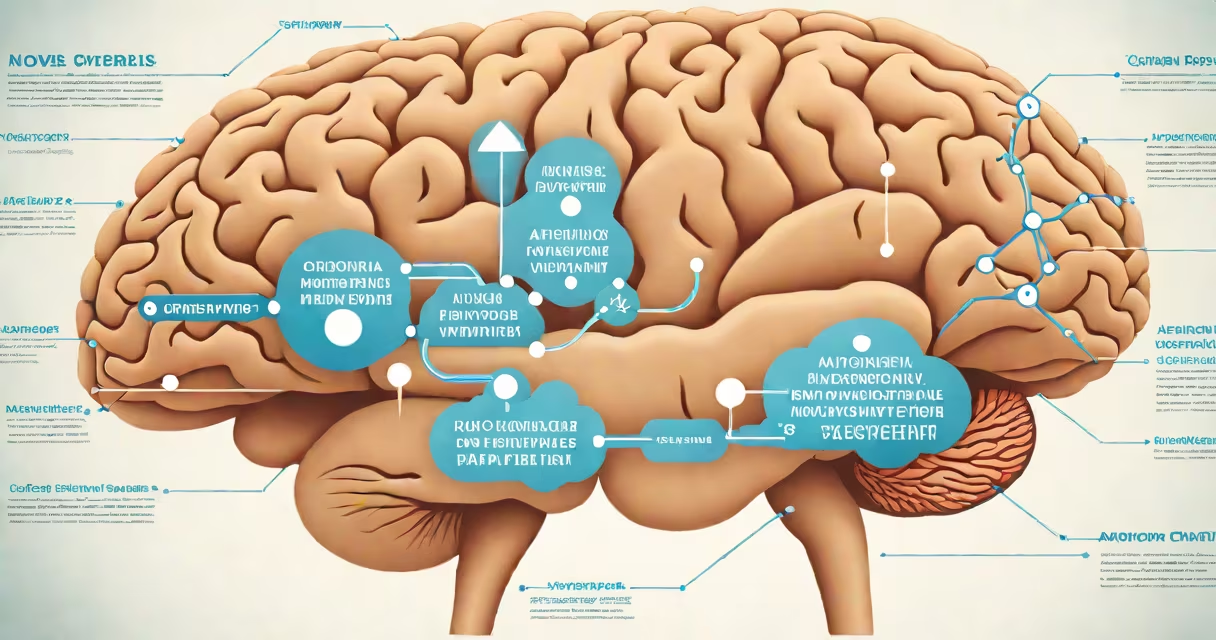
The parasympathetic system is the branch of the autonomic nervous system responsible for conserving energy, slowing heart rate, stimulating digestion, and promoting relaxation. It activates during calm states, counterbalancing the fight-or-flight response triggered by the sympathetic nervous system.
This system operates largely unconsciously, regulating internal organs such as the heart, lungs, stomach, and intestines. Its primary function is to restore homeostasis after physical or emotional stress. The system's effects are localized and precise, targeting specific organs rather than acting globally.
Activation occurs through cranial nerves, especially the vagus nerve (cranial nerve X), which extends from the brainstem to the abdomen. About 75% of vagus nerve fibers are afferent-carrying signals from the body to the brain-making it a key communication channel between gut and mind.
When activated, the parasympathetic system releases acetylcholine at synapses. This neurotransmitter slows electrical activity in the heart, reduces blood pressure, and increases intestinal motility. These actions lower metabolic demand and support tissue repair.
For example, after eating a meal, the parasympathetic system triggers increased secretion of digestive enzymes and enhanced blood flow to the gastrointestinal tract. This process begins within seconds of food entering the mouth and continues through the small intestine.
Neural circuits in the medulla oblongata initiate parasympathetic responses. The dorsal motor nucleus of the vagus nerve sends signals via the vagus nerve to the heart, lungs, liver, pancreas, and intestines. Each organ responds based on local receptor density and feedback loops.
The parasympathetic system is organized around two major anatomical centers:
These pathways allow fine-tuned regulation. For instance, the vagus nerve modulates heart rate by influencing the sinoatrial node. A 2018 study published in Nature Neuroscience showed that vagal stimulation reduced inflammation in mice by suppressing cytokine release-a mechanism now being explored in human autoimmune conditions.
Parasympathetic activity also influences respiratory rate. During slow, diaphragmatic breathing, increased vagal tone enhances respiratory sinus arrhythmia-the natural variation in heart rate with breathing cycles. This pattern correlates with improved emotional regulation and cognitive performance.
Many assume the parasympathetic system simply "relaxes" the body. That's incomplete. It doesn't suppress all bodily functions-it redirects them toward maintenance and restoration. For example, while it slows heart rate, it simultaneously increases blood flow to the digestive tract.
Another misconception is that the parasympathetic system is inactive during exercise. On the contrary, research shows that trained athletes exhibit higher resting vagal tone, meaning their parasympathetic systems remain active even during moderate exertion. This contributes to faster recovery times and better endurance.
A less known fact: the parasympathetic system plays a direct role in immune modulation. Vagal stimulation inhibits NF-kB, a protein complex involved in inflammatory responses. This link explains why practices like meditation and deep breathing reduce markers of systemic inflammation.
Consider a person who finishes a stressful workday. As they sit down to eat dinner, the parasympathetic system activates. Heart rate drops from 90 beats per minute to 65. Saliva production increases, aiding digestion. Blood vessels in the stomach dilate, delivering oxygen-rich blood to the mucosal lining.
This sequence happens automatically. No conscious effort is needed. Yet, deliberate activation is possible. Mindfulness-based stress reduction (MBSR) programs have been shown to increase heart rate variability-a measurable indicator of parasympathetic function-by up to 30% after eight weeks of practice, according to a 2020 study in JAMA Internal Medicine.
Medical applications include biofeedback devices that train users to increase vagal tone. Devices like the Resperate monitor breathing patterns and guide users into a rhythm that stimulates the parasympathetic system. Clinical trials show these tools improve outcomes in patients with hypertension and anxiety disorders.
Understanding the contrast between the two systems reveals how balance maintains health. The sympathetic system prepares the body for action-increasing heart rate, dilating pupils, redirecting blood to muscles. The parasympathetic system reverses these changes.
| Function | Parasympathetic System | Sympathetic System |
|---|---|---|
| Heart Rate | Decreases | Increases |
| Respiration | Slows, deepens | Accelerates, shallow |
| Digestion | Stimulates | Suppresses |
| Pupil Size | Constricts | Dilates |
| Blood Flow | To GI tract and reproductive organs | To skeletal muscle and brain |
Both systems operate continuously, but their dominance shifts based on context. During sleep, parasympathetic tone dominates. During acute danger, sympathetic activity takes over. Optimal health requires changing interplay between both.
I once observed this balance in a clinical setting. A patient undergoing a routine colonoscopy reported sudden nausea. The procedure was paused. After calming techniques were applied-slow breathing, guided imagery-the patient's heart rate dropped from 110 to 78 bpm within three minutes. Vagal reactivation restored stability. This moment confirmed how rapidly the parasympathetic system can reassert control.
The parasympathetic system does not merely relax the body-it orchestrates recovery, renewal, and long-term resilience. Its influence spans from cellular metabolism to emotional well-being, making it essential to health.