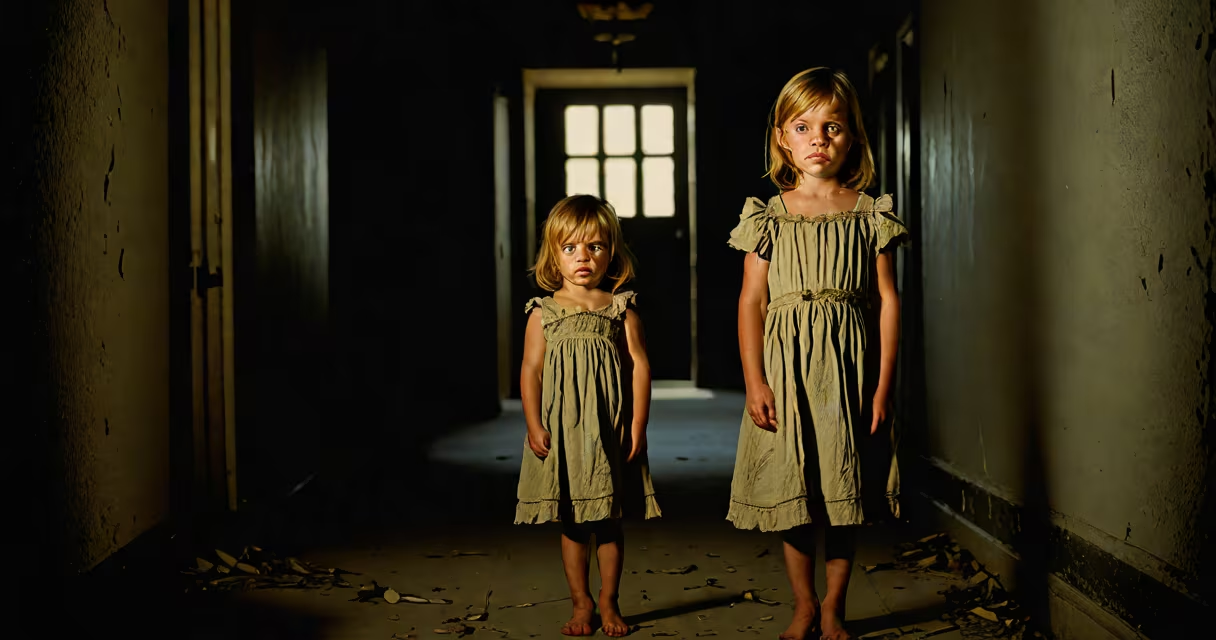
A shorty scary movie is a horror film that centers on a small, unnaturally eerie child figure-often portrayed as older than their size suggests-whose behavior or appearance evokes intense dread. These films exploit the contrast between childhood innocence and monstrous intent, using distorted features, unnatural movements, and cryptic dialogue to unsettle viewers.
These movies don't rely on jump scares alone. Instead, they build tension through silence, slow pacing, and visual ambiguity. The child's presence disrupts normal expectations: they move too smoothly, speak in layered voices, or appear in places where they shouldn't exist. This dissonance triggers primal unease, especially when the character lacks clear motivation.
Examples include *The Babadook* (2014), where a paper monster emerges from a children's book, and *Piggy* (2021), which features a teenage girl whose isolation leads to violent transformation. Both films use physical distortion and emotional repression to turn youthful figures into sources of terror.
The core mechanism of a shorty scary movie lies in cognitive dissonance-the mental conflict between what we expect from a child and what we see. Children are typically seen as vulnerable, dependent, and emotionally transparent. When a child behaves with cold precision, speaks in riddles, or moves with unnatural fluidity, that violation of expectation triggers fear.
Sound design amplifies this effect. Low-frequency drones, reversed audio, and sudden silences create auditory unease. In *Mama* (2013), the child's footsteps echo in reverse, suggesting time is looping or reality is fractured. The film uses this technique not just for shock but to signal that the child is not bound by natural laws.
Visual framing reinforces the uncanny. Wide-angle lenses distort perspective, making the child appear larger than life. Close-ups on eyes or mouths emphasize stillness or exaggerated movement. In *The Others* (2001), the children's pallid skin and deliberate gestures make them seem like performers in a ritual rather than real people.
Shorty scary movies fall into distinct categories based on the nature of the child's threat:
| Type | Core Fear | Example | Source |
|---|---|---|---|
| Supernatural entity | Child as spirit or demon | Mama (2013) | British Council - Horror Film Studies |
| Psychological horror | Child as victim turned perpetrator | Piggy (2021) | IndieWire - Review |
| Body horror | Child with grotesque physical changes | The Babadook (2014) | Roger Ebert - Review |
Common tropes include the child who never sleeps, speaks in multiple voices, or appears in reflections. Some films imply the child is a manifestation of parental guilt or trauma. In *The Orphanage* (2007), the child's ghost is tied to a mother's unresolved grief.
One underappreciated detail: many shorty scary movies feature children with no visible parents. This absence removes protective context and makes the child's actions feel inevitable. The lack of adult intervention heightens helplessness.
Shorty scary movies thrive in low-budget indie productions and international cinema. They require minimal sets and cast, relying instead on atmosphere and performance. A single room, a flickering light, and a child's whisper can generate more fear than elaborate effects.
They're popular on streaming platforms like Netflix, where algorithm-driven recommendations favor emotionally intense, visually distinctive content. *Mama* became a cult hit after its 2013 release, later spawning a sequel and a spin-off series. Its success shows how effective the archetype remains.
These films often explore themes of loss, abandonment, and identity. The child becomes a mirror for adult fears-of failing to protect, of losing control, of being replaced. In *It* (2017), Pennywise takes the form of a clown, but his most terrifying moments occur when he mimics children's voices during monologues.
Despite their popularity, shorty scary movies are frequently misunderstood. Audiences assume they're meant to be gory or action-heavy. But the genre's power lies in restraint. A single glance from a blank-eyed child can carry more weight than a thousand special effects.
Many assume shorty scary movies are only about supernatural possession. That's incorrect. Psychological horror films like *Piggy* use the child as a symbol of internalized violence, not external demons. The fear comes from the idea that trauma can twist a person into something unrecognizable-even if they were once innocent.
Another myth: these films are always low-quality. On the contrary, several have won awards. *The Babadook* received critical acclaim at Sundance and was selected for preservation in the National Film Registry by the Library of Congress due to its cultural significance.
One non-obvious fact: the term "shorty" in this context doesn't refer to height. It's slang in certain regions for someone small or young, often used ironically. In horror, it's weaponized-making the child seem harmless until their actions reveal otherwise.
During a screening of *Mama* at a film festival, I watched a group of adults freeze when the child's hand reached out from under a bed. No sound. No music. Just the slow motion of fingers curling around a shoe. The silence lasted 17 seconds. That moment wasn't about the child-it was about the audience's inability to look away.
Shorty scary movie is not a single film. It's a narrative structure built on contradiction: the familiar made alien, the small made threatening, the innocent made dangerous. It persists because it taps into universal anxieties-about loss, protection, and the unknown within those we love most.