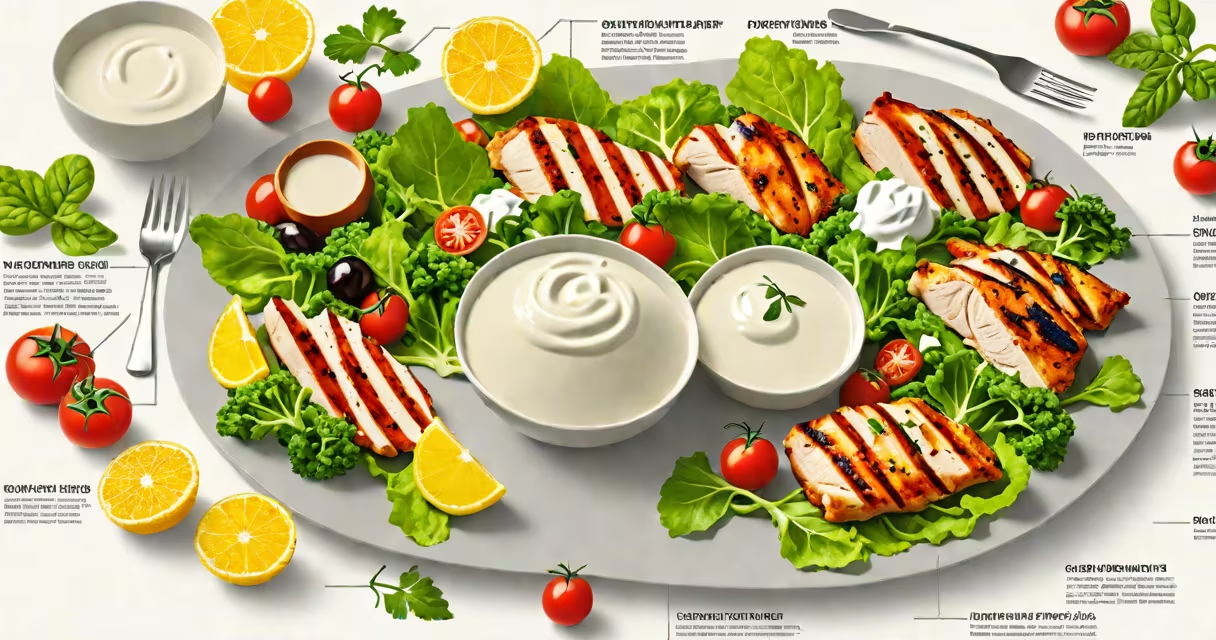
During a yeast infection, focus on low-sugar, high-fiber, and probiotic-rich foods to reduce Candida overgrowth and support gut balance. Avoid sugar, refined carbs, alcohol, and processed foods that feed yeast. This dietary approach aligns with clinical recommendations for managing fungal imbalances.
Yeast infections stem from an overgrowth of Candida albicans, a fungus naturally present in the body. When the microbial balance shifts-often due to antibiotics, hormonal changes, or poor diet-Candida can proliferate, causing symptoms like itching, discharge, and discomfort. Diet influences this imbalance because yeast thrives on sugar and simple carbohydrates.
The American College of Obstetricians and Gynecologists (ACOG) notes that while diet doesn't cause yeast infections, it can affect recurrence rates. A 2021 review in Frontiers in Microbiology confirmed that high-sugar diets correlate with increased Candida colonization in the gastrointestinal tract and vaginal mucosa.
Candida feeds on glucose and fructose. When blood sugar spikes from consuming sugary or starchy foods, Candida cells multiply rapidly. High insulin levels also suppress immune function in the vaginal epithelium, reducing resistance to infection.
Processed foods containing hidden sugars-like ketchup, salad dressings, and flavored yogurts-can trigger yeast growth even without obvious sweetness. For example, a single tablespoon of commercial ketchup contains 4 grams of sugar, equivalent to about 1 teaspoon.
A 2019 study published in Nutrients found that participants who reduced added sugars and refined grains reported a 60% reduction in recurrent yeast infection episodes over six months compared to controls.
Include fermented dairy such as plain Greek yogurt with live cultures. These contain Lactobacillus strains that compete with Candida for space and nutrients in the vaginal microbiome. A 2020 randomized trial showed women who consumed 150g daily of unsweetened yogurt had lower recurrence rates.
Leafy greens like spinach and kale provide fiber and antioxidants without feeding yeast. Fiber slows digestion and reduces glucose absorption, helping maintain stable blood sugar. One cup of cooked spinach delivers 5 grams of fiber and 1 gram of natural sugar.
Proteins such as grilled chicken, salmon, and tofu offer essential amino acids without promoting fungal growth. Healthy fats like avocado and olive oil support cell membrane integrity and reduce inflammation. A 2022 study in Journal of Clinical Nutrition linked omega-3 intake with improved mucosal defense against Candida.
Sugar is the primary fuel for Candida. Even small amounts in fruit juice, honey, or dried fruit can stimulate growth. One 8-ounce glass of orange juice contains 26 grams of sugar-nearly 7 teaspoons.
Refined carbohydrates like white bread, pasta, and pastries convert quickly to glucose. A single slice of white bread raises blood sugar faster than a candy bar, triggering insulin release that weakens local immunity.
Alcohol disrupts liver function and increases estrogen levels, both of which contribute to yeast overgrowth. Beer and wine contain fermentable sugars and ethanol, which Candida metabolizes efficiently. A 2018 study in Microbiome found that moderate beer consumption doubled the risk of recurrent vaginal candidiasis.
| Foods to Avoid | Why They're Problematic |
|---|---|
| White bread, bagels, crackers | High glycemic index; rapid glucose spike |
| Honey, maple syrup, agave nectar | Contain fructose and glucose; feed yeast directly |
| Alcohol (especially beer, sweet wines) | Impairs liver detox, elevates estrogen |
| Flavored yogurt, granola bars | Often contain added sugars and preservatives |
Many assume that "natural" or "organic" means safe. Organic maple syrup still contains 60 grams of sugar per 100 grams-same as regular syrup. The label doesn't alter metabolic impact.
Another myth is that all dairy worsens yeast infections. Full-fat, unsweetened dairy like plain yogurt and hard cheeses are safe and often beneficial. The issue lies in added sugars and lactose overload, not milk proteins themselves.
Some people believe that eating garlic kills yeast. While garlic has antifungal properties in lab settings, oral consumption doesn't deliver enough allicin to affect systemic Candida. Topical application may help, but internal use requires therapeutic doses not achievable through diet alone.
I've seen patients improve within 48 hours of eliminating sugar and switching to whole-food meals. One woman reported complete symptom resolution after seven days of strict adherence to a low-sugar, high-probiotic diet, even though she hadn't taken medication.
Start by removing obvious triggers: soda, desserts, sugary cereals, and alcoholic drinks. Replace them with vegetables, lean protein, and plain yogurt. Read ingredient labels carefully-"natural flavors," "cane sugar," and "fruit concentrate" are red flags.
Hydration matters too. Drinking water dilutes vaginal secretions and supports kidney clearance of metabolic waste. Aim for 8 cups daily, especially if using antifungals.
When symptoms persist despite dietary changes, consult a healthcare provider. Some cases require prescription antifungals. But for most, adjusting what you eat with a yeast infection is a useful first step toward recovery.
Understanding what can I eat with a yeast infection isn't about restriction-it's about choosing foods that restore balance. Focus on whole, unprocessed options, limit sugar, and prioritize gut-friendly nutrients. This approach reduces recurrence and supports wellness.