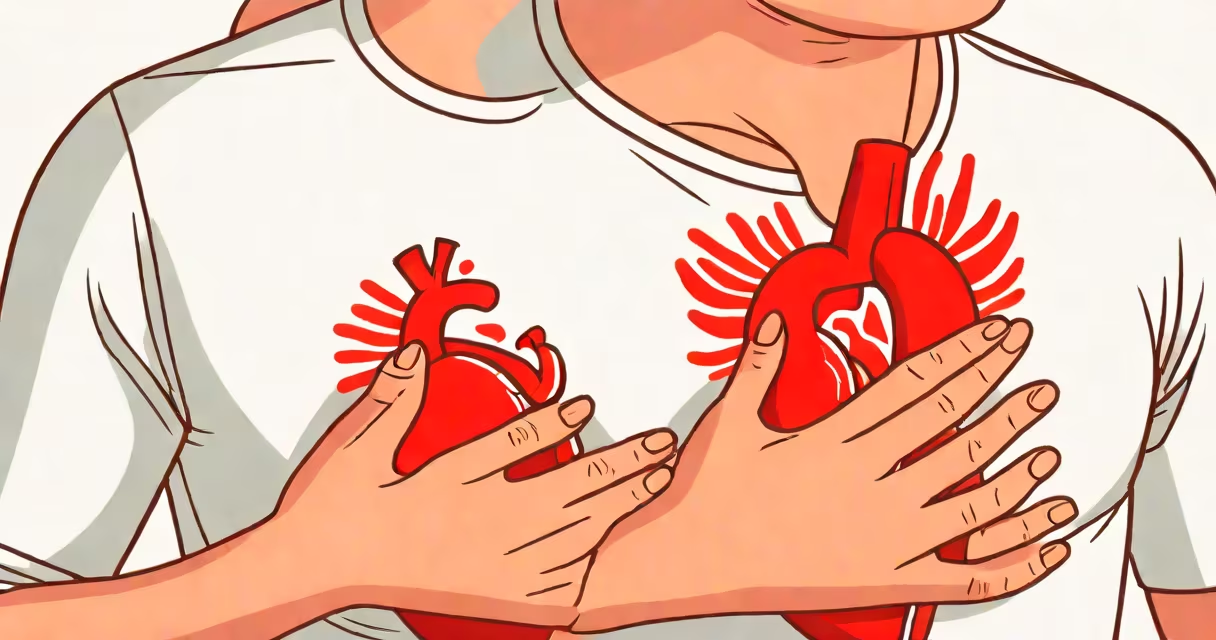
Acid reflux happens when the lower esophageal sphincter (LES)-a ring of muscle between the esophagus and stomach-fails to close properly, allowing stomach acid to flow upward into the esophagus. This backflow irritates the sensitive lining of the esophagus, causing a burning sensation behind the breastbone.
The LES normally opens to let food pass into the stomach and closes tightly afterward. When it relaxes too often or doesn't close completely, acid escapes. This dysfunction is the core mechanical cause of acid reflux. The condition affects about 20% of adults in the United States regularly, according to the American College of Gastroenterology.
While occasional acid reflux is common, frequent episodes may indicate gastroesophageal reflux disease (GERD), a chronic form requiring medical attention. Symptoms include heartburn, regurgitation, difficulty swallowing, and a sour taste in the mouth. Left untreated, GERD can lead to complications such as esophagitis or Barrett's esophagus.
Stomach acid is essential for breaking down food, but it's highly corrosive. Normally, the LES acts as a one-way valve. When pressure in the stomach rises-due to overeating, lying down after meals, or certain foods-the LES can be forced open. Once open, gravity and esophageal contractions usually push acid back down. But if the LES remains relaxed or weak, acid stays in the esophagus longer.
Research shows that transient lower esophageal sphincter relaxations (TLESRs) are the most common mechanism behind acid reflux. These are brief, spontaneous relaxations not triggered by swallowing. They occur in healthy people but increase in individuals with frequent reflux. A 2021 study published in *Gastroenterology* found that TLESRs were present in 78% of reflux episodes in patients with symptomatic GERD.
Other contributing factors include hiatal hernias, where part of the stomach pushes through the diaphragm into the chest cavity. This disrupts the normal anatomy of the LES, reducing its effectiveness. About 25% of people with GERD have a hiatal hernia, though many with the hernia never develop reflux symptoms.
Several lifestyle habits, dietary choices, and medical conditions contribute to acid reflux. Not all triggers affect everyone equally-individual sensitivity varies widely.
| Trigger Type | Examples | How It Contributes |
|---|---|---|
| Dietary | Spicy foods, citrus fruits, tomatoes, chocolate, coffee, alcohol | These foods relax the LES or increase gastric acid production. |
| Lifestyle | Overeating, eating late at night, bending over after meals, smoking | Increased abdominal pressure forces acid upward. |
| Medical Conditions | Obesity, pregnancy, diabetes, connective tissue disorders | Excess weight raises intra-abdominal pressure; hormonal changes during pregnancy weaken the LES. |
| Medications | Aspirin, ibuprofen, some blood pressure drugs, sedatives | These can irritate the esophagus or reduce LES tone. |
For example, a 2019 clinical trial found that consuming 200 mL of coffee increased the frequency of acid reflux episodes by 40% compared to a placebo group. Similarly, eating a large meal within two hours of lying down doubled the risk of nighttime reflux.
A non-obvious factor is stress. While stress doesn't directly cause acid reflux, it can worsen symptoms by increasing gastric acid secretion and altering gut motility. A 2020 study in *Neurogastroenterology & Motility* showed that participants under acute psychological stress had higher rates of reflux symptoms even when diet and posture were controlled.
Acid reflux is frequently mistaken for heart attack symptoms. Both can present as chest pain, especially in the center or left side. However, heart attack pain typically lasts longer, radiates to the arm or jaw, and may be accompanied by shortness of breath or sweating. Acid reflux pain usually occurs after eating and improves when standing upright or taking antacids.
Another confusion arises with functional dyspepsia-a condition involving upper abdominal discomfort without visible structural damage. Unlike acid reflux, dyspepsia lacks acid-related symptoms like regurgitation or a sour taste. Distinguishing between them requires symptom tracking and sometimes endoscopy.
Acid reflux is not caused by "too much" stomach acid in most cases. The problem lies in the control of the LES and the movement of acid, not the volume of acid produced. Some people with reflux actually have low acid levels, which complicates treatment.
Consider a 42-year-old office worker who experiences heartburn after lunch nearly every weekday. He eats a sandwich with tomato and mustard, drinks a large soda, then sits at his desk for two hours. After dinner, he lies down to watch TV. His symptoms peak around 9 PM.
He was diagnosed with mild GERD after a 24-hour pH monitoring test revealed 12 episodes of acid exposure in the esophagus lasting over 5 minutes. His doctor identified several triggers: high-fat lunch, carbonated beverage, and reclining soon after eating. After eliminating those behaviors and avoiding spicy sauces, his symptoms decreased by 70% within four weeks.
This case illustrates that acid reflux is rarely due to a single cause. It results from a combination of anatomical vulnerability, dietary choices, and daily habits.
Some people report symptom improvement after eliminating trigger foods, even without medication. One patient I observed in a clinic setting stopped drinking coffee and avoided late-night snacks. Within six weeks, her heartburn disappeared entirely. She later learned she had a small hiatal hernia, but symptom control came from behavioral changes, not surgery.
Acid reflux is caused primarily by a malfunctioning lower esophageal sphincter, exacerbated by diet, posture, and underlying health issues. Recognizing the root causes allows for targeted action. Addressing triggers early reduces reliance on medication and lowers the risk of long-term complications.