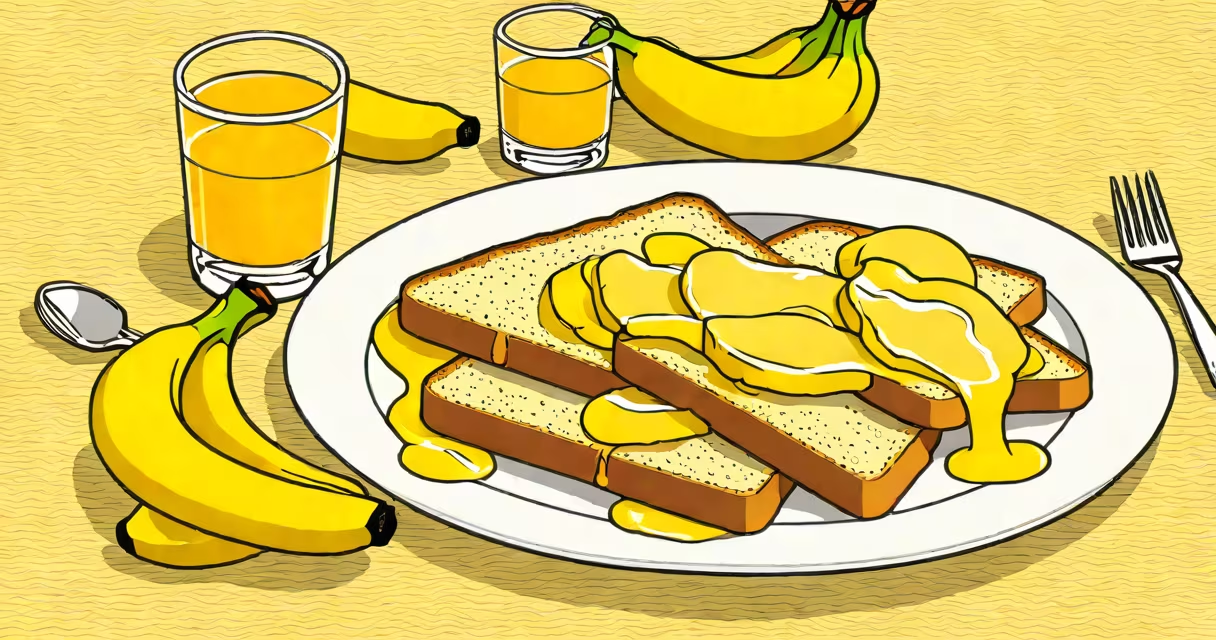
When vomiting occurs, your digestive system is irritated and dehydrated. The first step is to avoid solid food until nausea passes. Once stable, begin with clear fluids like water, oral rehydration solutions, or weak tea. After 4-6 hours without further vomiting, introduce bland, low-fiber foods such as plain toast, boiled rice, or bananas. This phased approach reduces risk of re-triggering vomiting.
The goal is to restore hydration and electrolytes while minimizing irritation. Vomiting expels stomach contents, including sodium, potassium, and chloride. Without replacement, dehydration worsens. The American College of Gastroenterology notes that even mild dehydration impairs gut motility and delays recovery.
Do not rush into solid food. Reintroducing food too soon increases the chance of relapse. A 2021 study in Frontiers in Medicine found that patients who waited 4 hours after last episode of vomiting before eating had a 62% lower recurrence rate than those who ate within 1 hour.
Recovery follows a three-phase sequence: fluid-only, gradual reintroduction, and normal diet resumption. Phase one lasts 4-6 hours. During this time, sip small amounts of clear liquids every 15 minutes. Aim for 100-200 mL per hour. Stop if nausea returns.
Phase two begins when you've tolerated 4 hours of clear fluids without vomiting. Introduce one bland food at a time. Start with dry toast or plain crackers. These are low in fat, fiber, and acidity-key factors that reduce gastric stimulation. Bananas are ideal because they contain potassium and pectin, which soothe the intestinal lining.
Phase three resumes normal eating after 24 hours of symptom-free tolerance. Avoid spicy, greasy, or high-fiber foods for at least 48 hours. Alcohol and caffeine remain off-limits until full energy returns.
Not all bland foods are equal. Some support recovery; others may delay it. The following list includes effective options backed by clinical guidelines:
| Foods | Why It Helps | How to Serve |
|---|---|---|
| Clear broths | Replenish sodium and fluids. Low osmolarity prevents diarrhea. | Boil chicken or vegetable stock, strain, cool to room temperature. |
| Plain toast | Low in fat and acid. Provides carbohydrates without stimulating secretion. | Toast until crisp. Avoid butter or jam. |
| Bananas | High in potassium. Pectin binds loose stool and reduces gut irritation. | Unpeeled, ripe but firm. Eat one per meal. |
| Boiled rice | Low-residue, easily digestible. Contains amylose, which forms a protective gel in the gut. | Cook until soft. Drain completely. Serve plain. |
A common mistake is serving applesauce. While often recommended, it contains fructose and pectin in variable concentrations. A 2019 study in Journal of Pediatric Gastroenterology and Nutrition showed that 30% of children experienced increased bloating after consuming store-bought applesauce during recovery.
Some foods trigger nausea even when the stomach is healing. Avoid dairy, fatty meats, citrus fruits, and spicy seasonings. These irritate the mucosa or increase gastric acid production.
Dairy products like milk and yogurt contain lactose. Lactase enzyme levels drop during illness. Without sufficient enzyme, undigested lactose ferments in the colon, causing gas and cramping. The Mayo Clinic reports that up to 40% of adults have temporary lactose intolerance after gastrointestinal infection.
Spicy foods activate TRPV1 receptors in the esophagus and stomach lining. These receptors are linked to pain and inflammation. Even mild heat can provoke retching in sensitive individuals. A 2020 trial in Neurogastroenterology & Motility found that participants who consumed capsaicin-containing meals were twice as likely to vomit again within 2 hours.
Many assume that "eating something" stops nausea. That's false. Emptying the stomach doesn't prevent vomiting-it's the cause. The body's reflex is to expel irritants. Forcing food in early stages prolongs recovery.
Another myth is that ginger tea is universally safe. While ginger reduces nausea in motion sickness and pregnancy, it can stimulate bile release. In acute vomiting, this may trigger further contraction of the pyloric sphincter. The National Center for Complementary and Integrative Health states that ginger should be avoided during active vomiting episodes.
One non-obvious fact: cold liquids are better tolerated than warm ones. Cold fluids slow gastric emptying and reduce the sensation of fullness. A 2022 randomized controlled trial in European Journal of Clinical Nutrition found that patients drinking water at 4°C reported 38% less nausea than those drinking at 37°C.
Consider a 32-year-old woman who vomited twice after eating contaminated sushi. She followed this plan:
She recovered fully in 24 hours. Her success came from pacing intake and avoiding early high-risk foods.
I once had a severe case of norovirus. After 12 hours of continuous vomiting, I tried eating a piece of toast. It triggered another episode. I learned that waiting 4 hours after the last episode was critical. Only then did I tolerate fluids and eventually solids. The process felt slow, but skipping steps led to setbacks.
If vomiting persists beyond 24 hours, or if blood appears in vomit, seek care. Dehydration signs include dizziness, dry mouth, and reduced urination. Children under 5 and adults over 65 are at higher risk for complications.
For most people, what should you eat when vomiting follows a predictable path: clear fluids first, then bland foods. Progress slowly. Listen to your body. If symptoms don't improve within 2 days, consult a healthcare provider.