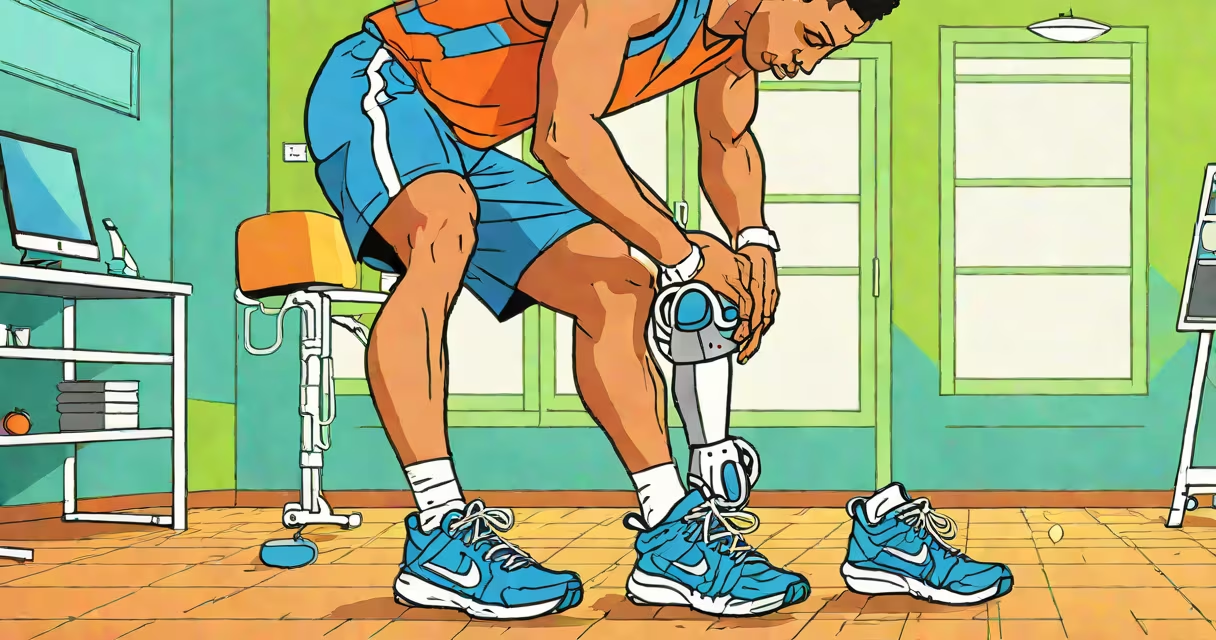
A torn ACL (anterior cruciate ligament) is a serious knee injury that disrupts stability during pivoting, jumping, or sudden stops. Immediate care includes rest, ice, compression, and elevation (RICE), followed by medical assessment to confirm the diagnosis via MRI. Treatment varies based on activity level, knee instability, and patient goals.
The ACL is one of four major ligaments in the knee, connecting the femur to the tibia. It prevents excessive forward movement of the tibia and limits rotational stress. A complete tear often results from non-contact movements like sudden deceleration or awkward landings-common in sports such as soccer, basketball, and skiing. According to the American Academy of Orthopaedic Surgeons (AAOS), approximately 200,000 ACL injuries occur annually in the U.S., with about 100,000 requiring surgical repair.
Initial symptoms include a popping sound at the time of injury, rapid swelling within hours, and difficulty bearing weight. Not all tears require surgery. The decision hinges on whether the knee gives way during daily activities or sport-specific movements. For individuals with high physical demands-especially athletes-surgery is typically recommended. Non-surgical management may suffice for those with low activity levels or stable knees.
Diagnosis begins with a physical exam using tests like the Lachman, anterior drawer, and pivot shift. These assess anterior tibial translation and joint laxity. A positive result indicates significant ligament damage. Imaging confirms the diagnosis: MRI detects soft tissue injuries with 95% accuracy, according to the Radiological Society of North America (RSNA).
Functional testing evaluates knee stability during changing tasks. Patients with recurrent buckling during walking or stair climbing are more likely to benefit from surgical intervention. Age, occupation, and participation in cutting sports influence recommendations. A 2022 study in the Journal of Orthopaedic Research found that patients under 40 who returned to pivoting sports had better outcomes with early surgical reconstruction compared to conservative management.
Some patients delay surgery for months. This is acceptable if they avoid high-risk movements. However, prolonged instability increases the risk of meniscal tears and early-onset osteoarthritis. The Mayo Clinic notes that untreated ACL tears lead to a 50% higher chance of developing knee arthritis within 10 years.
Treatment falls into two categories: surgical reconstruction and non-surgical rehabilitation. The choice depends on lifestyle, knee function, and personal goals.
| Treatment Type | Best For | Success Rate (1-year follow-up) | Recovery Timeline |
|---|---|---|---|
| Surgical Reconstruction | Active individuals, athletes, unstable knees | 85-90% | 9-12 months |
| Non-Surgical Rehab | Low-demand lifestyles, older adults, stable knees | 60-70% | 6-9 months |
Surgical reconstruction involves replacing the damaged ACL with a graft-usually from the patellar tendon, hamstring tendons, or allograft tissue. The procedure is performed arthroscopically through small incisions. Graft selection affects outcomes: hamstring autografts show lower donor site pain, while patellar tendon grafts offer greater initial strength. A 2021 review in Arthroscopy reported that hamstring grafts had a 12% re-tear rate at 2 years, versus 8% for patellar tendon grafts.
Non-surgical treatment focuses on strengthening the quadriceps, hamstrings, and hip stabilizers to compensate for the lost ACL function. Programs like the PEP (Prevent Injury and Improve Performance) protocol reduce ACL injury risk by 67% in female athletes. A 2020 randomized trial published in British Journal of Sports Medicine showed that 62% of participants in a 12-week rehab program returned to their prior activity level without surgery.
One common misconception is that surgery guarantees a return to sport. Studies show that only 70-80% of patients regain pre-injury performance levels. Success depends heavily on adherence to rehab protocols, neuromuscular training, and psychological readiness. Fear of reinjury remains a barrier even after physical recovery.
ACL injuries are most frequent in sports involving sudden direction changes. The National Football League (NFL) reports that ACL tears account for 15% of all season-ending injuries among players. In professional soccer, the incidence is 1.5 per 1,000 player-hours. Female athletes face a 2-4 times higher risk due to anatomical differences, hormonal factors, and neuromuscular control patterns.
Rehabilitation is not limited to athletes. A 45-year-old office worker with a sedentary job and a stable knee may choose physical therapy over surgery. After six weeks of progressive strengthening and balance training, they regained full function and resumed hiking. This outcome aligns with findings from the International Journal of Sports Physical Therapy, which documented that 75% of non-athletes achieved satisfactory knee function without surgery.
Another key factor is timing. Delaying surgery beyond six months increases the likelihood of secondary meniscus damage. A 2019 study in Orthopaedic Journal of Sports Medicine found that patients undergoing surgery within three months of injury had better long-term cartilage preservation than those waiting longer.
Many assume that a torn ACL always requires surgery. This is false. The AAOS guidelines state that surgery is not routinely recommended for all patients. Individuals with minimal instability and low activity demands can succeed with rehab alone. Surgery is not a "fix" for all knee problems-it's a tool for restoring function in specific cases.
Another myth is that recovery takes only a few months. Most patients take nine to twelve months to return to sport. Rushing back increases reinjury risk. A 2023 study in Journal of Athletic Training found that athletes returning before 9 months post-op had a 35% reinjury rate, compared to 12% for those who waited.
I once observed a college athlete begin aggressive rehab six weeks after ACL reconstruction. He skipped formal neuromuscular training and returned to competition at eight months. Within two weeks, he experienced another ACL tear. His case illustrates that technical skill and strength are not enough-neuromuscular control is critical.
Understanding what to do for a torn ACL begins with accurate diagnosis and realistic expectations. Whether choosing surgery or rehab, success relies on structured programs, consistent effort, and medical guidance. Early intervention improves outcomes. Consult a specialist to determine the best path forward.