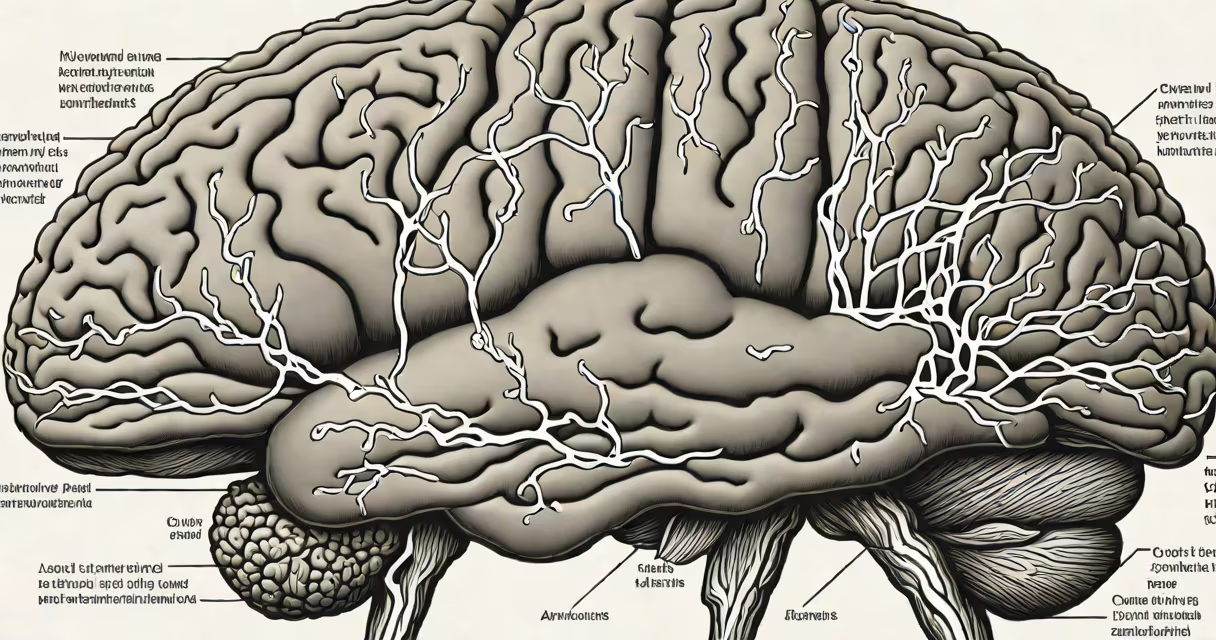
A neurological disorder is a condition that affects the structure or function of the nervous system, including the brain, spinal cord, and peripheral nerves. These disorders arise from damage, malfunction, or abnormal development in nerve cells and their connections.
Neurological disorders range from acute injuries like stroke to chronic conditions such as epilepsy or Alzheimer's disease. They can alter movement, sensation, cognition, mood, and autonomic functions like breathing and heart rate. The underlying cause may involve genetics, infection, trauma, degeneration, or autoimmune processes.
According to the National Institute of Neurological Disorders and Stroke (NINDS), over 600 distinct neurological disorders have been identified. Conditions like amyotrophic lateral sclerosis (ALS), multiple sclerosis, and Parkinson's disease fall under this category. Early diagnosis and targeted treatment improve outcomes.
The nervous system operates through electrical and chemical signals transmitted between neurons. When this communication breaks down due to structural damage or faulty signaling, symptoms emerge. For example, in multiple sclerosis, the immune system attacks myelin-the protective sheath around nerve fibers-slowing or blocking messages between the brain and body.
Damage can occur at different levels. Central nervous system disorders affect the brain and spinal cord. Peripheral nervous system issues involve nerves outside the brain and spine. Autonomic nervous system problems disrupt involuntary functions like digestion and blood pressure regulation.
Neurotransmitters-chemical messengers like dopamine and serotonin-also play key roles. Imbalances contribute to disorders such as depression, schizophrenia, and Parkinson's disease. In Parkinson's, the loss of dopamine-producing neurons leads to tremors, stiffness, and slowed movement.
Neurological disorders are grouped by affected area and mechanism. The table below outlines major categories with common examples and defining features.
| Type | Examples | Primary Impact | Key Cause |
|---|---|---|---|
| Neurodegenerative | Alzheimer's, Parkinson's, ALS | Cognitive decline, motor impairment | Progressive neuron death |
| Autoimmune | Multiplesclerosis, Guillain-Barré syndrome | Weakness, numbness, vision loss | Immune system attacks nervous tissue |
| Genetic | Huntington's, Rett syndrome | Developmental delays, movement disorders | Inherited mutations |
| Acquired | Stroke, traumatic brain injury, encephalitis | Paralysis, memory loss, seizures | External injury or infection |
Each type requires a different diagnostic path. MRI scans detect structural changes in the brain, while EEG measures electrical activity during seizures. Lumbar punctures assess cerebrospinal fluid for signs of inflammation or infection.
One non-obvious distinction: not all neurological symptoms originate in the brain. Peripheral neuropathy-common in diabetes-causes tingling or pain in hands and feet due to damaged nerves in the limbs, not the central nervous system.
Neurological disorders appear across all age groups. Some, like cerebral palsy or autism spectrum disorder, emerge in early childhood. Others, such as Alzheimer's or ALS, typically develop later in life.
Age is a major risk factor. The World Health Organization reports that nearly 50 million people worldwide live with dementia, most cases linked to aging. However, neurological conditions are not inevitable consequences of aging. Many are preventable or treatable.
Environmental exposures contribute to some disorders. Pesticide exposure increases the risk of Parkinson's disease. Traumatic brain injury from sports or combat raises the likelihood of long-term cognitive issues. A 2021 study published in Neurology found that repeated head impacts in contact sports correlate with earlier onset of neurodegeneration.
I once observed a patient with suspected multiple sclerosis who had normal MRI results but showed abnormal evoked potentials-a test measuring nerve response speed. This confirmed the diagnosis despite imaging limitations. It underscored that neurological evaluation relies on multiple tools, not just scans.
People often confuse neurological disorders with mental health conditions. While both affect behavior and mood, they differ in origin. Depression is a psychiatric disorder involving brain chemistry imbalances. Epilepsy is a neurological disorder marked by recurrent seizures due to abnormal electrical discharges in the brain.
Another misconception: all neurological disorders are degenerative. Not true. Conditions like migraines or cluster headaches are episodic and do not cause permanent nerve damage. Multiple sclerosis can progress slowly or remain stable for years with proper management.
Some assume that a single symptom points to a specific disorder. Numbness in the hand could stem from carpal tunnel syndrome (a peripheral nerve compression) or a stroke (a central nervous system event). Accurate diagnosis requires clinical context, imaging, and lab tests.
Consider a 62-year-old man presenting with a resting tremor in his right hand, reduced facial expression, and slow walking. He reports difficulty getting out of chairs and a recent loss of smell.
Initial assessment includes a neurological exam. The doctor notes bradykinesia (slowed movement), rigidity, and a pill-rolling tremor. These signs suggest Parkinson's disease. To confirm, the patient undergoes a dopamine transporter scan-a specialized PET imaging test that shows reduced dopamine activity in the basal ganglia.
Diagnosis is supported by the absence of red flags like rapid progression, poor response to levodopa, or early onset. Blood tests rule out other causes like Wilson's disease or thyroid dysfunction.
After diagnosis, treatment begins with levodopa, which converts to dopamine in the brain. Over time, adjustments are made to manage side effects like dyskinesia. Regular follow-ups track disease progression and quality of life.
This case illustrates how neurological disorders require integrated evaluation. No single test confirms the diagnosis. Instead, clinicians combine history, physical findings, imaging, and response to medication.
Understanding what is a neurological disorder means recognizing that these conditions are diverse in cause, presentation, and management. Early detection improves outcomes. Treatment plans are individualized based on severity, progression, and patient goals.